There is a special kind of disappointment when you lift the lid on a one-pot dinner and find… a beige puddle. The chicken is pale. The vegetables are limp. The rice is both undercooked and somehow gluey. Ask me how I know.
The good news: “mush” is not a personality trait. It is usually one of a handful of fixable issues like too much moisture, not enough heat, or ingredients going in at the wrong time.
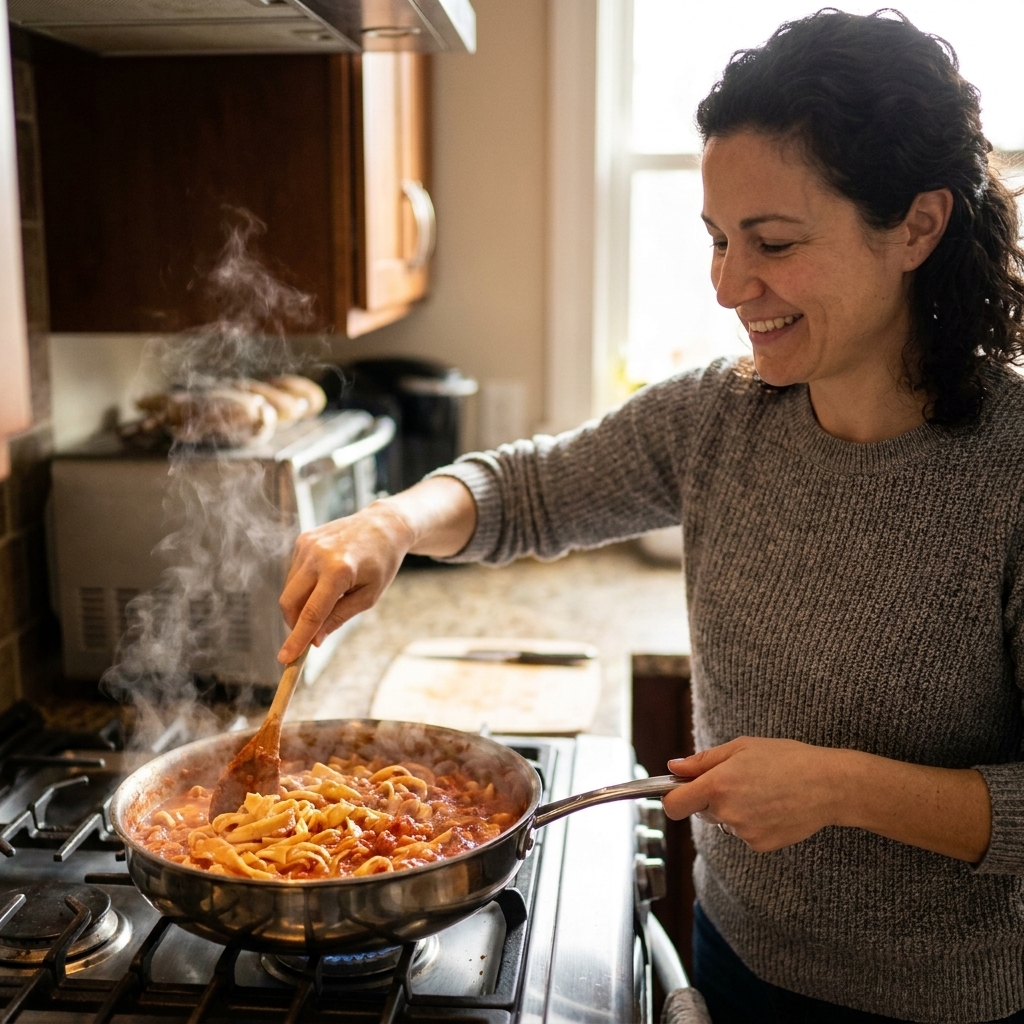
This guide covers both one-pot and sheet pan dinners. The principles are the same: give food space, use enough heat, and time ingredients like you actually want them to have texture.
Below are the most common culprits, what they look like in the pan, and how to turn your next weeknight “easy dinner” into something with real browning and bite.
The mush checklist
- Watery bottom? Too much liquid, a lid trapping steam, watery vegetables added too early, or a pot that is too tall and narrow to evaporate well.
- Vegetables limp? Overcrowding, low oven temp, or everything cooked at the same time.
- Pasta gummy? Not enough stirring at the start (so it clumps and sticks), then too much stirring later (which can break pasta and release extra starch).
- Rice sticky and uneven? Off ratios, too much stirring, or heat that is not kept steady.
- Meat gray? Pan not hot enough, wet protein, or too crowded to brown.
Problem 1: Overcrowding
What it looks like: Everything releases moisture, the pan fills with liquid, and ingredients simmer instead of roast or sear.
Why it happens: Crowding blocks evaporation. In a skillet, food steams because there is not enough exposed hot surface. On a sheet pan, piled vegetables act like a covered pot.
Fix it
- Use a wider vessel. For skillet meals, a 12-inch skillet or a wide Dutch oven makes a huge difference.
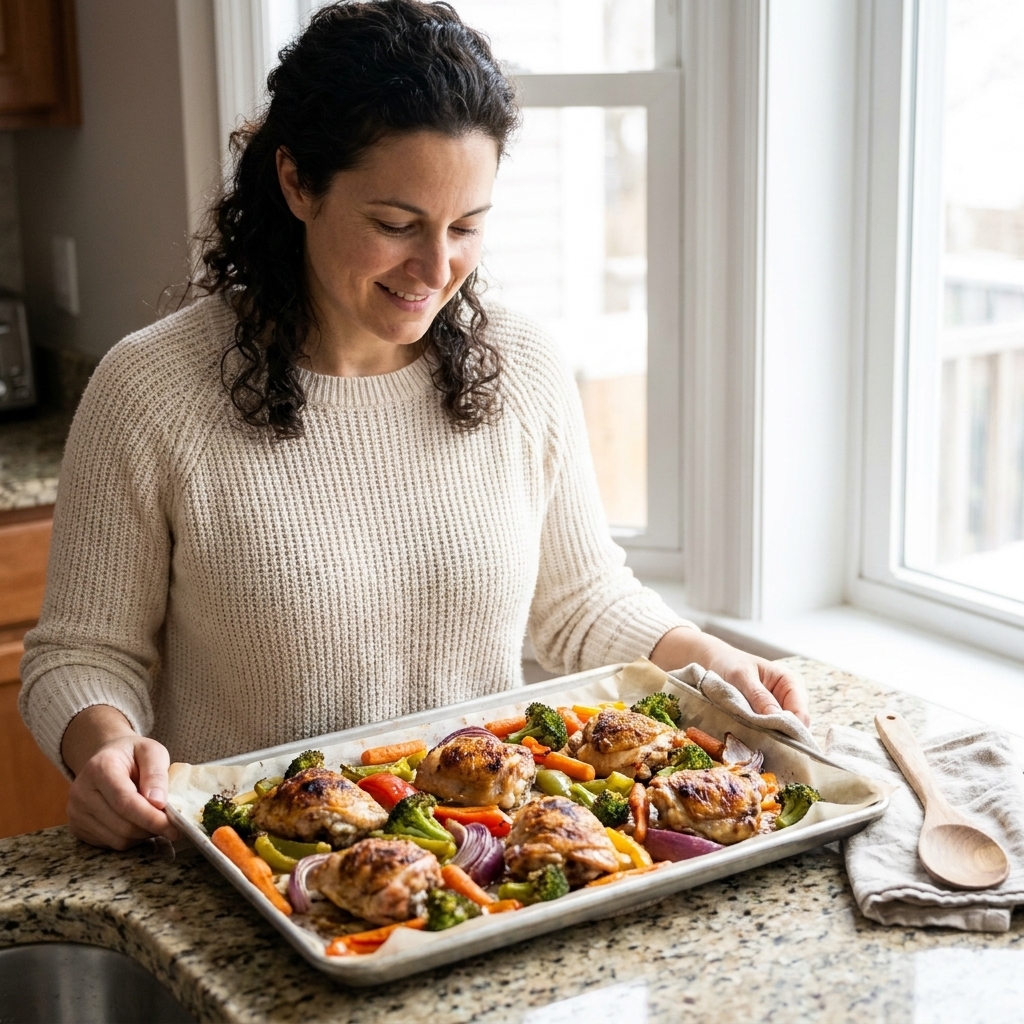
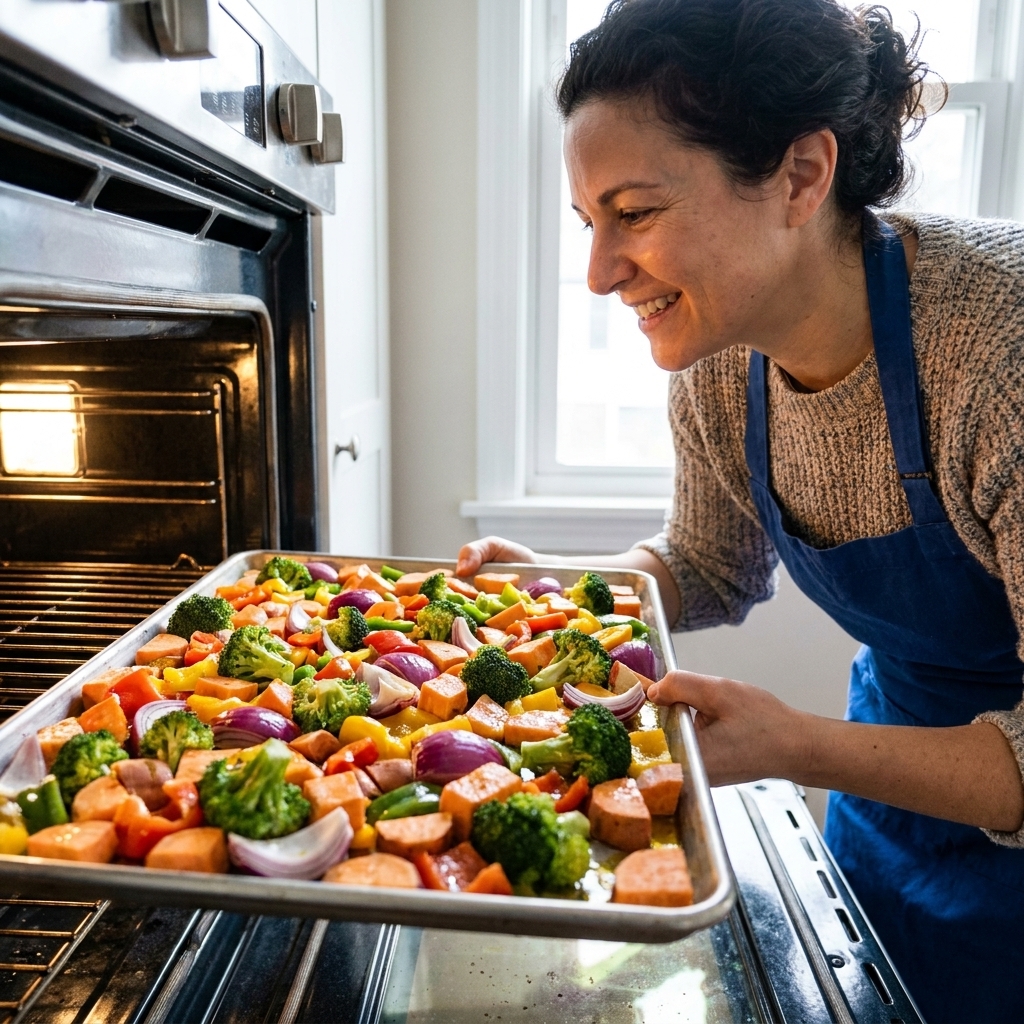
- Give ingredients breathing room. On sheet pans, spread in a single layer with a little space between pieces.
- Cook in phases. Brown the protein first, remove to a plate, then cook vegetables, then combine at the end.
- Do not be afraid of two pans. It is still weeknight-friendly if it saves dinner.
Problem 2: Bad timing
What it looks like: Potatoes are crunchy but zucchini is collapsing, or the broccoli is gray by the time the chicken is done.
Why it happens: Different ingredients have different cook times and water content. One-pot cooking is not “dump and hope.” It is “layer and time.”
Fix it
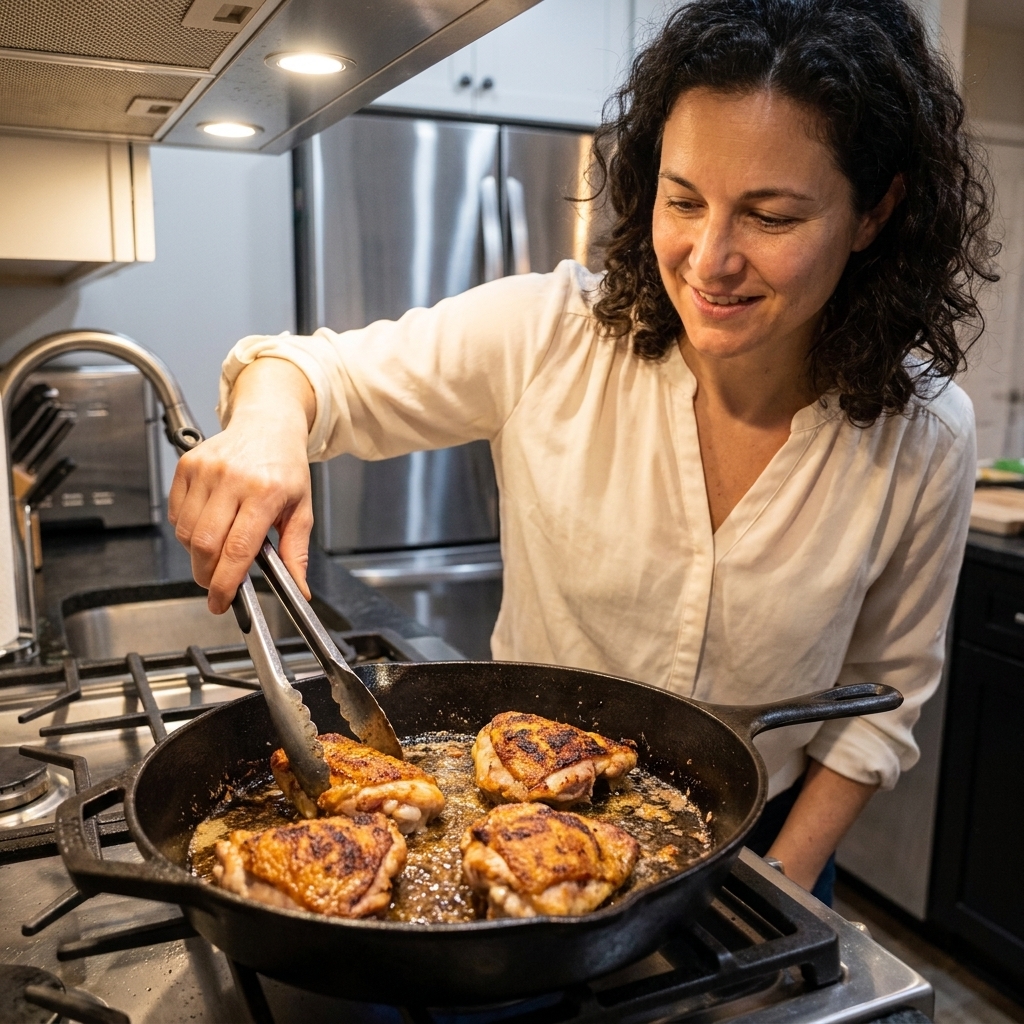
- Start with what needs browning. Sausage, ground meat, chicken thighs, mushrooms. Browning builds flavor and drives off moisture.
- Add sturdy vegetables early. Carrots, potatoes, sweet potatoes, cauliflower, Brussels sprouts.
- Add quick vegetables late. Zucchini, spinach, peas, asparagus. (Tomatoes are their own category. If you are building a sauce, add them earlier. If you want them to stay bright and not flood the pan, add them later.)
- Finish with delicate add-ins. Fresh herbs, lemon juice, grated cheese, yogurt, crunchy toppings.
Sheet pan shortcut: If your protein needs 25 minutes but your broccoli needs 12, start the protein alone. Add broccoli halfway through.
Problem 3: Lid too long
What it looks like: The dish tastes fine, but everything is soft and the sauce is thin.
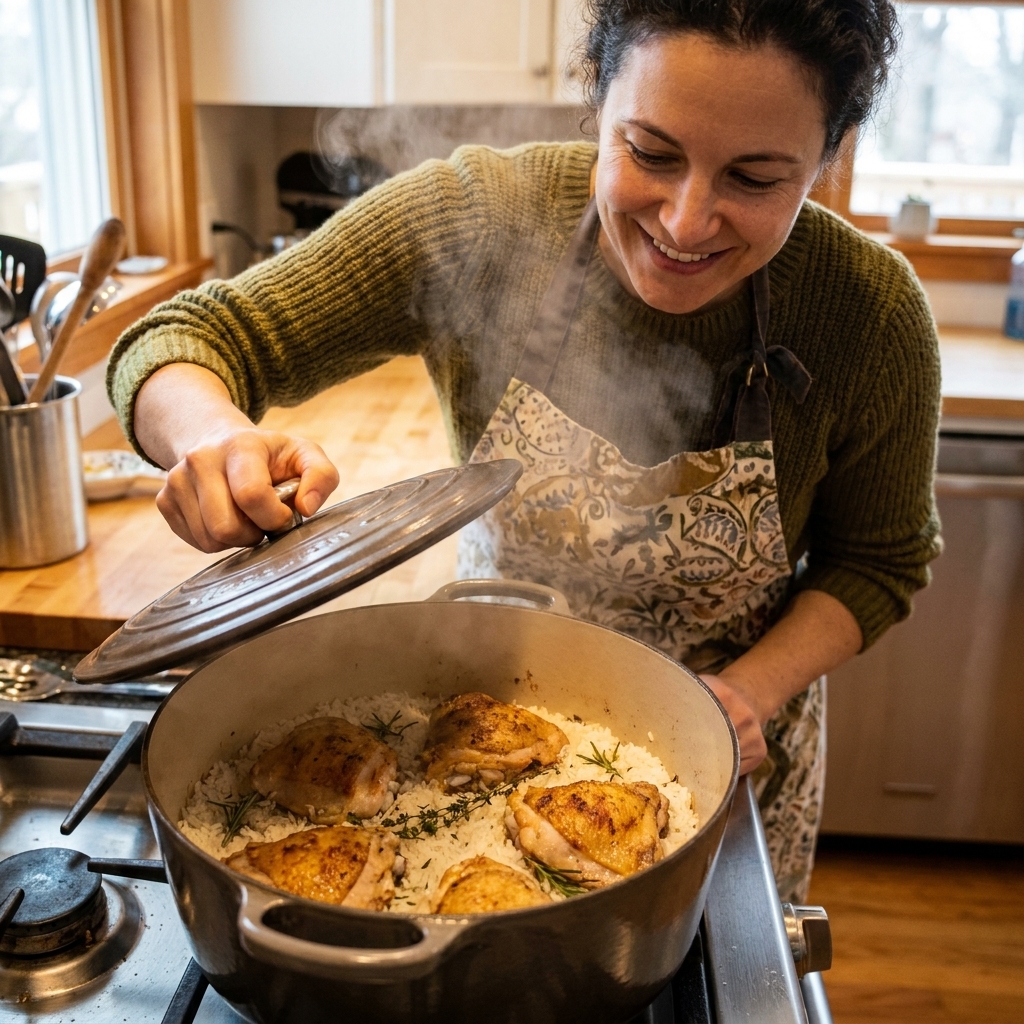
Why it happens: A lid traps steam. That is great for rice and braises. It is not great when you want evaporation, concentration, and texture.
Fix it
- Use the lid on purpose. Cover to bring to a simmer or cook through, then uncover to reduce and thicken.
- Crack the lid. Even leaving a small gap lets steam escape.
- Finish uncovered. The last 5 to 15 minutes uncovered is often the difference between sauce and soup.
Bonus tip: If your dish is already watery, remove the protein so it does not overcook, then simmer the sauce uncovered until it thickens. Add the protein back at the end to warm through.
Problem 4: Not enough heat
What it looks like: Pale chicken, gray mushrooms, vegetables that look boiled, not browned.
Why it happens: Browning needs high heat and dry surfaces. If you start on medium-low or add cold, wet ingredients to a small pan, the temperature drops and moisture wins.
Fix it
- Preheat like you mean it. Give the skillet a few minutes. Give the oven a full preheat (and your sheet pan can preheat too).
- Pat proteins dry. Paper towels are not glamorous, but they are powerful.
- Do not stir constantly. Let ingredients sit against the hot surface long enough to brown, then flip.
- Use the right oven temp. Most sheet pan dinners do great at 425°F. If you want extra browning, 450°F can work for sturdy vegetables and heartier cuts of meat, but it is not the move for delicate fish, very lean chicken breasts, or anything coated in a sugary glaze.
Problem 5: Watery veg too soon
What it looks like: You started with a thick sauce, but halfway through it turns thin and everything steams.
Why it happens: Zucchini, mushrooms, spinach, tomatoes, and frozen vegetables all release water. If they go in too soon, they flood the pot before anything has a chance to brown or reduce.
Fix it
- Brown first, then add water-heavy vegetables. Especially mushrooms. They can brown beautifully, but only if they are not competing with a full pot of liquid.
- Stir in greens at the end. Spinach and kale need minutes, not half an hour.
- Roast separately for sheet pan meals. If a vegetable is prone to weeping, give it space and high heat.
- Thaw and squeeze frozen vegetables. Press out extra moisture before adding.
Problem 6: Pasta and rice ratios
Starch is wonderful when it thickens sauce into silky comfort. Starch is less wonderful when it turns your dinner into paste.
One-pot pasta
- Too little liquid: pasta absorbs what it can, then sticks and breaks down.
- Too much liquid: noodles overcook before the sauce reduces, and you end up with soft pasta in thin broth.
- Wrong shape: thin pasta overcooks quickly; very large shapes cook unevenly.
Fix it
- Choose sturdy shapes. Penne, rotini, shells, rigatoni, or farfalle hold up better than angel hair.
- Use a baseline ratio. Start with about 3 to 4 cups liquid per 12 ounces pasta (including crushed tomatoes, broth, and other pourable sauce ingredients). You can always add a splash more near the end, but it is harder to un-boil a soup.
- Add pasta when the liquid is simmering. A steady simmer helps it cook evenly.
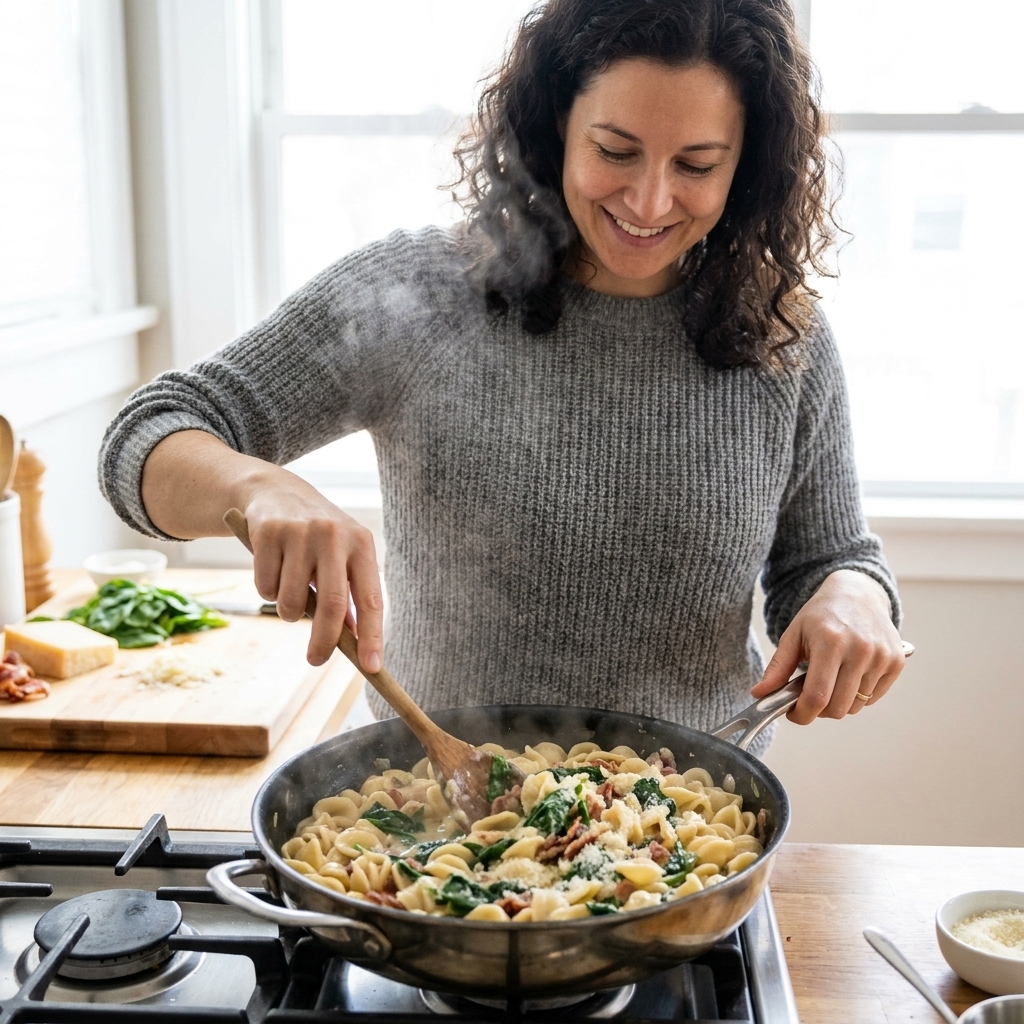
- Stir early, then back off. Stir frequently for the first 1 to 2 minutes to prevent sticking, then stir occasionally. If it is clumping or sticking to the bottom, stir a bit more and add a small splash of hot water or broth to loosen.
- Undercook slightly, then rest. Stop when it is just shy of done. Cover and rest 3 to 5 minutes. The pasta finishes without turning gummy.
One-pot rice
- Agitating the rice: stirring releases starch and makes it sticky.
- Unsteady heat: rice likes a predictable rhythm: simmer, then gentle steam.
Fix it
- Use a baseline ratio. For long-grain white rice, start with about 1 1/2 to 1 3/4 cups liquid per 1 cup rice. Brown rice often needs closer to 2 cups and more time. Then adjust for add-ins, since vegetables and meats release moisture.
- Rinse when appropriate. For fluffy white rice, a quick rinse removes excess surface starch. For risotto-style dishes, skip rinsing.
- Bring to a simmer, then cover and go low. Get it bubbling, then reduce to the lowest steady simmer and leave it there.
- Stop lifting the lid. Peek once near the end, not every few minutes.
- Rest off heat. Ten minutes covered makes rice more evenly tender.
Problem 7: Dairy and acid too soon
What it looks like: A sauce that separates, looks grainy, or turns thin and weird after you add yogurt, cream, or lemon.
Why it happens: High heat and prolonged simmering can break dairy. Acid plus heat can curdle it even faster.
Fix it
- Lower the heat before adding dairy. Simmer gently or turn off the burner.
- Add dairy at the end. Stir in cream, sour cream, or yogurt once the dish is mostly done.
- Add acid last. Lemon juice and vinegar brighten flavors, but they belong at the finish line.
Problem 8: Seasoning at the end
What it looks like: The dish tastes flat, then you add more salt, and now it is salty but still flat.
Why it happens: One-pot meals need seasoning in layers because ingredients cook at different times and release different amounts of water.
Fix it
- Salt in stages. Season the protein, season the vegetables, then adjust the sauce at the end.
- Bloom spices in oil. If you are using cumin, paprika, curry powder, or chili flakes, toast them for 30 seconds in hot oil before adding liquids.
- Use a finishing boost. Fresh herbs, citrus zest, grated Parmesan, toasted nuts, or a drizzle of good olive oil adds “wow” without making more dishes.
Cookware matters
You do not need fancy equipment, but you do need the right shape. Surface area is your friend. A wide pan lets moisture escape so food can brown.
- Wide and heavy wins. Stainless steel, cast iron, and enameled Dutch ovens hold heat well for searing and simmering.
- Thin pans cool down fast. Lightweight nonstick can struggle with browning if it is crowded. If that is what you have, cook in smaller batches and give the pan time to reheat between additions.
- Tall, narrow pots trap steam. Great for soups. Not always great for “one-pot roasted vibes.”
Sheet pan fixes
Sheet pan dinners have their own brand of mush, usually caused by low heat, crowded pans, or watery marinades.
Fix it fast
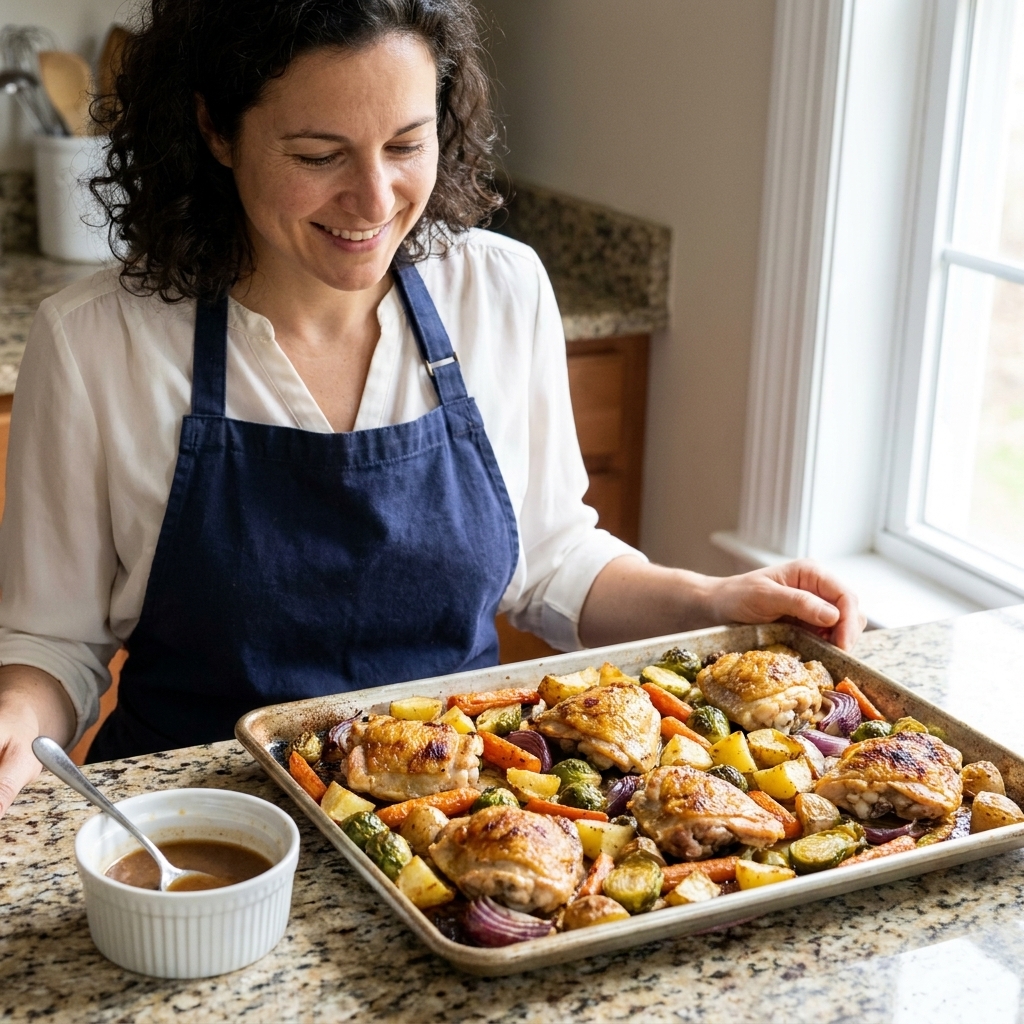
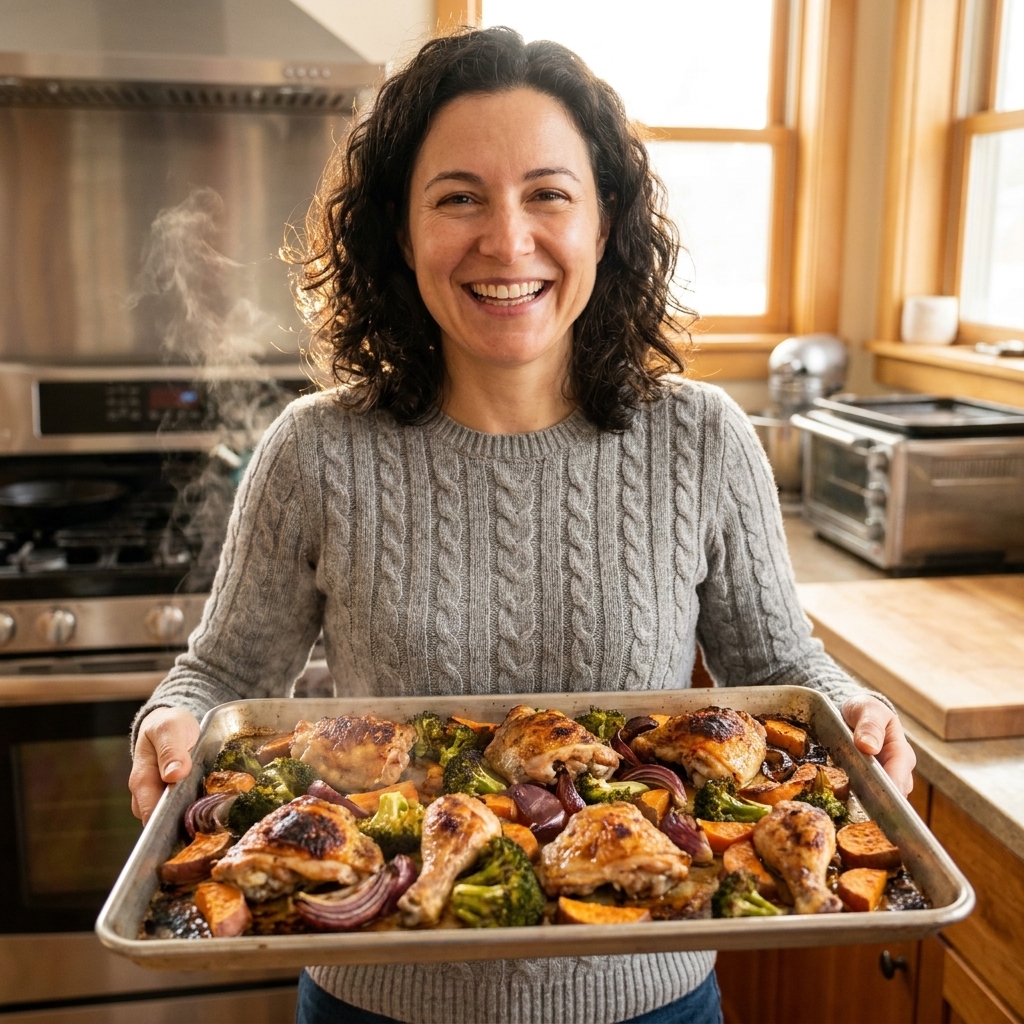
- Go hotter: 425°F is a sweet spot for most proteins and vegetables.
- Use two pans when needed: one for protein, one for vegetables that need space.
- Prioritize coating the food: toss ingredients with oil so surfaces brown evenly. (A lightly oiled pan is fine too, especially if sticking is a concern.)
- Save sweet glazes for the end: add honey, maple, or sugar-heavy sauces in the last 5 to 10 minutes so they do not burn while the pan is still releasing moisture.
- Use the middle rack: it is the most forgiving for even browning.
Rescue plan
If you are already staring at a soft, watery situation, do this.
- Remove delicate items. Pull out cooked chicken, shrimp, or tender vegetables so they do not overcook. Keep the protein covered so it stays warm, and plan to return it to the pan for a brief reheat at the end.
- Crank heat and uncover. Simmer briskly uncovered to drive off water.
- Reduce, then thicken if needed. Reduction is best. If you need help, try a small slurry of cornstarch and cold water, or stir in a spoonful of tomato paste.
- Rebuild texture at the end. Add something crunchy: toasted breadcrumbs, crushed tortilla chips, chopped nuts, or even a handful of fresh herbs and sliced scallions.
- Finish with acid. A squeeze of lemon or a splash of vinegar makes “fine” taste like “planned.”
My no-mush method
- Step 1: Preheat the pan properly.
- Step 2: Brown the protein, then remove.
- Step 3: Cook aromatics (onion, garlic) and bloom spices in the fat.
- Step 4: Add sturdy vegetables, then liquid, then starch (rice or pasta) at a simmer.
- Step 5: Add quick vegetables near the end.
- Step 6: Reduce uncovered if needed.
- Step 7: Stir in dairy and acid off heat, then top with something fresh or crunchy.
This sounds like more steps than “dump it all in,” but it is the difference between a one-pot dinner you love and a one-pot dinner you politely eat while thinking about cereal.
FAQ
Why do my one-pot meals get watery even when I measure liquid?
Most “mystery water” comes from ingredients, not your measuring cup. Mushrooms, zucchini, tomatoes, frozen vegetables, and even chicken can release a lot of moisture. Brown first, add watery vegetables later, and finish uncovered to reduce.
How do I keep vegetables from turning to mush in a skillet dinner?
Use higher heat, do not overcrowd, and add vegetables by cook time. Sear or sauté in batches if needed. Quick vegetables like spinach and peas should go in at the end.
What is the best way to thicken a one-pot sauce?
First choice is always reduction: simmer uncovered. If that is not enough, stir in a small amount of tomato paste, grated cheese, or a cornstarch slurry (mixed with cold water first).
Why is my one-pot pasta gummy?
Usually it is overcooked, stirred too aggressively for too long, or simmering with too little liquid at the start. Use a sturdier pasta shape, keep a steady simmer, stir early to prevent sticking, then stir less. Stop cooking when it is slightly firm and let it rest to finish.