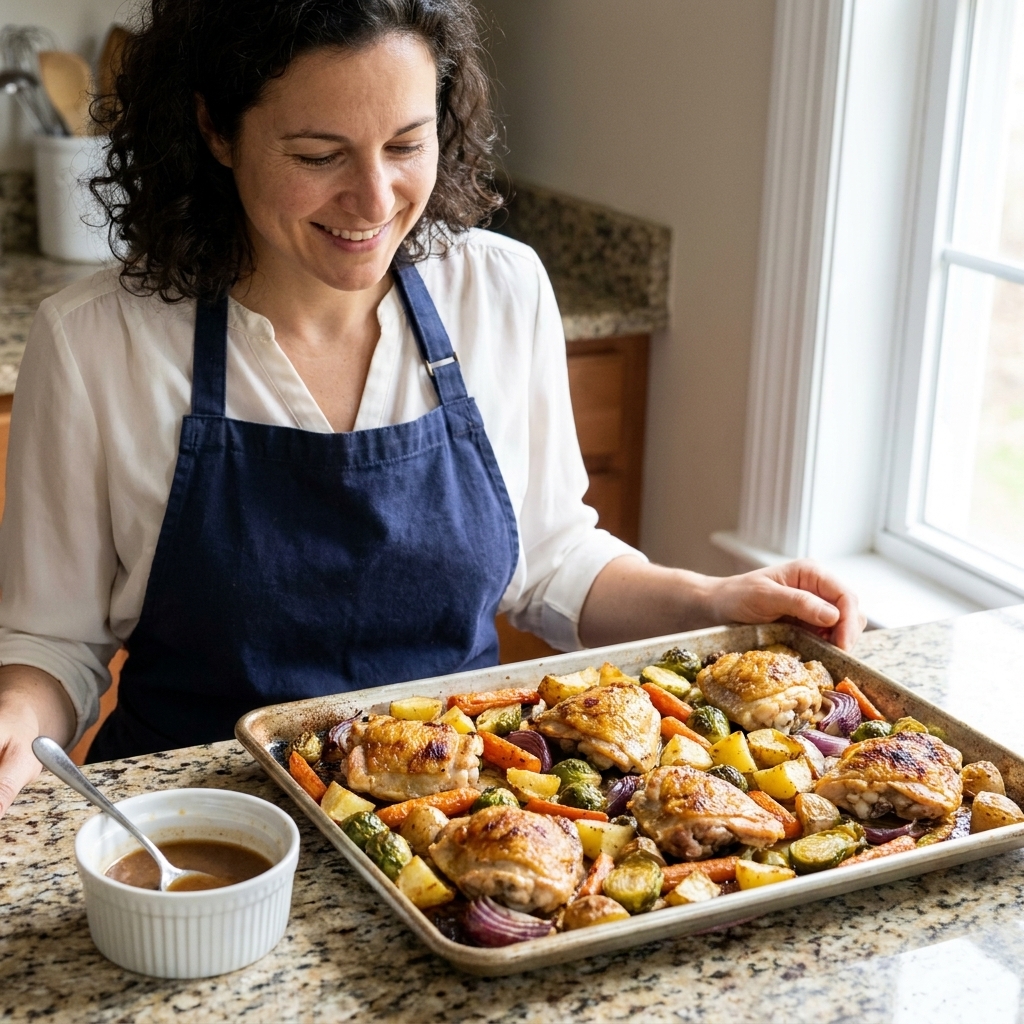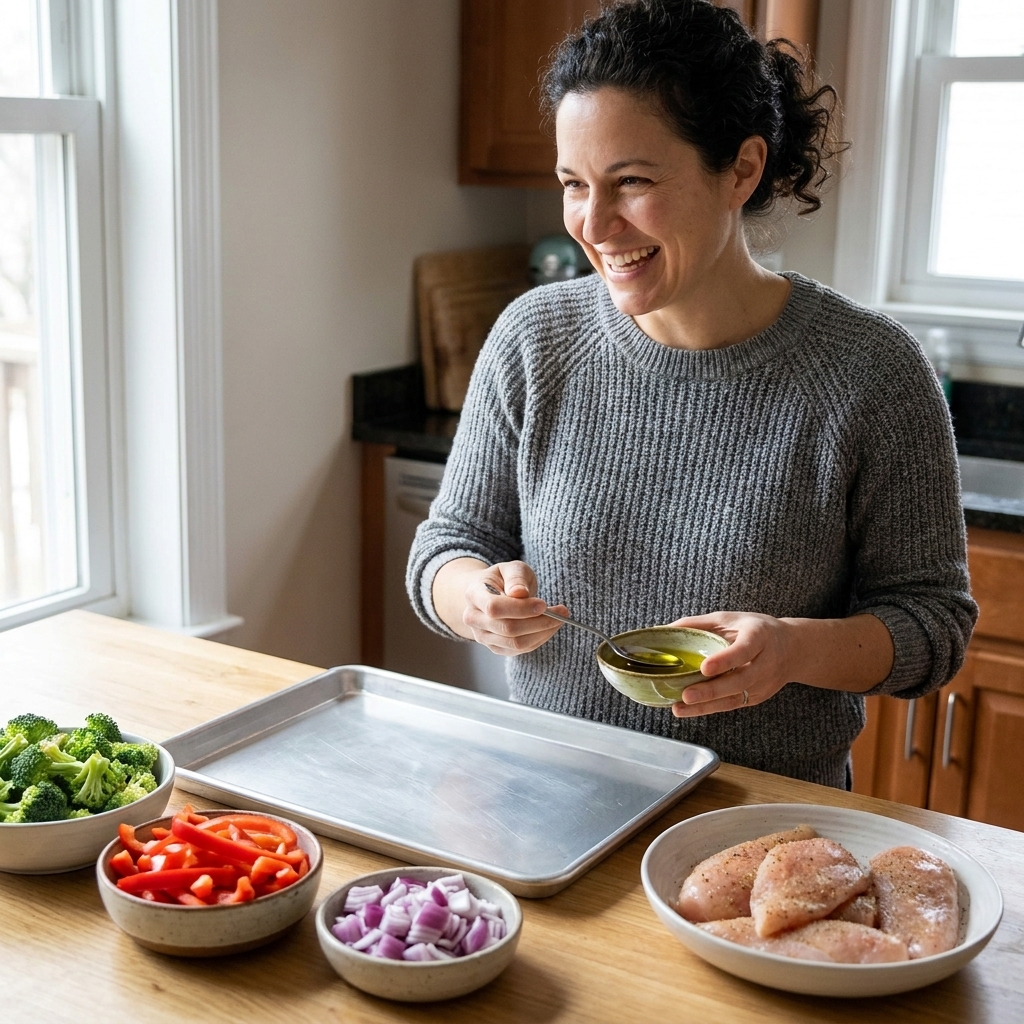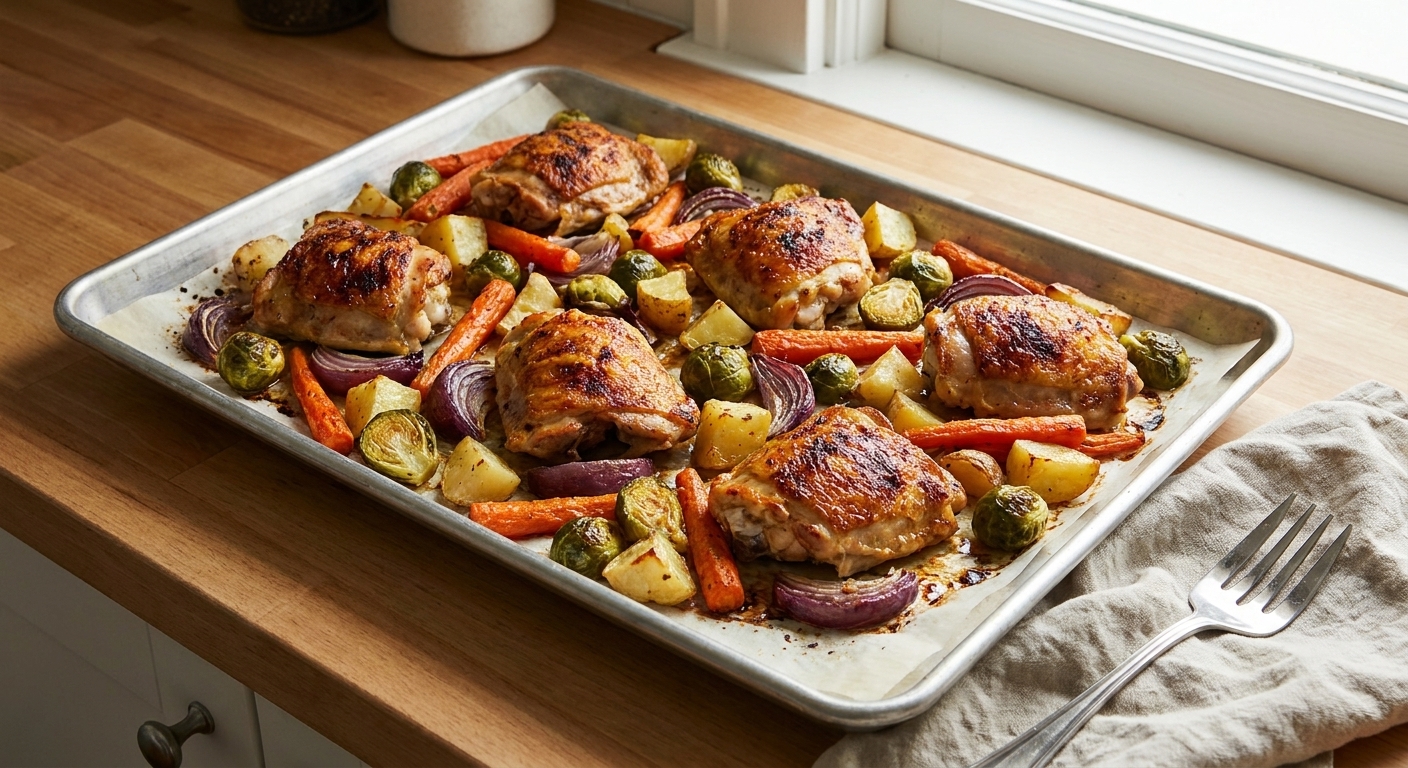
I love a sheet pan dinner for the same reason I love sweatpants: it just makes life easier. But sheet pan cooking has a few sneaky traps that can turn “crispy roasted magic” into “steamed sadness.” I have absolutely been the person who packed a pan like I was playing veggie Tetris, only to pull out limp zucchini and pale chicken that looked… concerned.
The good news: most sheet pan failures come down to a handful of fixable habits. Here are the seven most common mistakes I see home cooks make, plus the practical tweaks that get you back to golden edges and juicy centers.
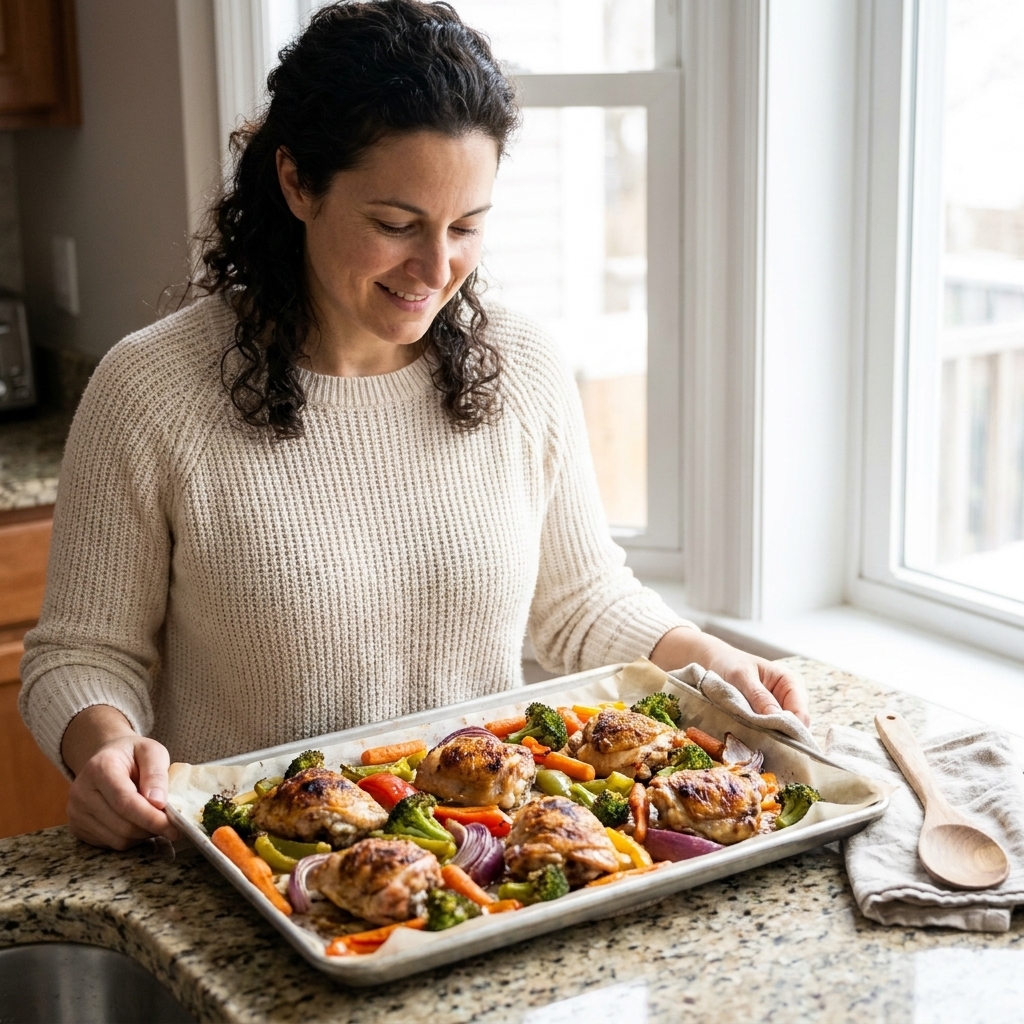
1) Overcrowding the pan
What happens: When food is packed tight, moisture has nowhere to go. Instead of roasting, everything steams. That is how you get soggy broccoli and potatoes that never quite crisp.
How to avoid it: Give ingredients breathing room. You want a little space between pieces so hot air can circulate and water can evaporate.
- Use two pans if needed. This is still fewer dishes than a sink full of pots, and it is the fastest fix for bland, pale results.
- Spread in a single layer. If vegetables are stacked, the ones on the bottom are basically taking a sauna.
- Choose the right size pan. A half sheet pan (about 18 x 13 inches) is the weeknight workhorse for 3 to 5 portions.
Quick rule: If you cannot see bits of the pan between pieces, you are probably overcrowding.
2) Using the wrong temperature
What happens: Too low and you get soft vegetables and meat that releases juices before it browns. Too high and delicate items scorch before thicker pieces cook through, especially if there is sugar in the mix.
How to avoid it: For many sheet pan dinners, 425°F is a great default. Then adjust based on what is on the pan.
- 425°F: A solid sweet spot for most veggie and protein combos.
- 450°F: Great for quick-cooking vegetables (green beans, broccoli) and thin proteins, but watch closely. Sugary marinades can burn fast at this heat.
- 400°F: Helpful when you want a little more forgiveness (or you are cooking something thick). Tradeoff: you may get a little less browning, so give food more space and a touch more time.
Tip: If your food looks pale at the end, it was usually crowded, not hot enough, or the pan was not fully preheated.
Convection note: If you use convection (or an air-fry setting), reduce the temp by about 25°F and start checking a few minutes early. It browns faster.
3) Skipping preheat
What happens: A cold oven means your dinner spends too long warming up. Vegetables start to slump and release water before browning begins.
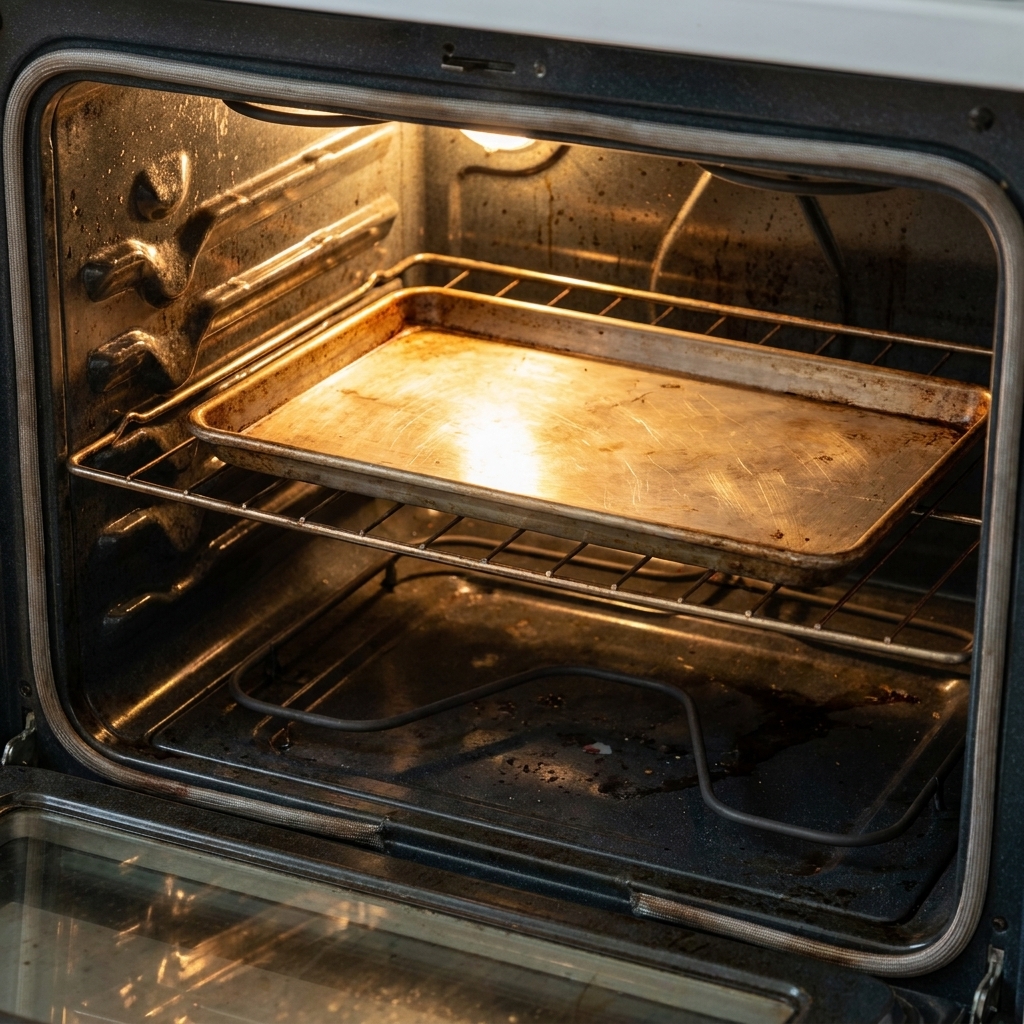
How to avoid it: Let the oven truly preheat. And if you want extra crisp edges, preheat the sheet pan too.
- Oven preheat: Give it an extra 10 minutes after it beeps, if you can. Some ovens signal before they are fully stable.
- Pan preheat (optional but amazing): Slide the empty pan into the oven while it heats. Carefully add oiled veggies once hot. You should hear a gentle sizzle.
Safety note: Hot pan plus oil can smoke. Use a moderate amount of oil (often 1 to 2 tablespoons per half sheet pan, depending on how much food you have) and keep an eye on it.
Rack position: Middle rack is the most reliable. If you want more browning, try the upper third, but keep a closer watch.
4) Cutting everything the same size
What happens: This sounds like good advice, but sheet pan dinners are a timing game. If you cut potatoes and zucchini the same size and roast them together from the start, one of them is going to suffer. Potatoes need time and heat. Zucchini needs less time and often less crowding.
How to avoid it: Match size to cooking time, not to aesthetics.
- Dense vegetables (potatoes, carrots, sweet potatoes): cut smaller so they cook on the same schedule as your protein.
- Watery vegetables (zucchini, mushrooms, tomatoes): cut larger, roast later, or place them in areas that often brown faster (frequently the edges, depending on your oven and how full the pan is).
- Proteins: Try to keep pieces similar in thickness so they finish together.
Easy timing hack: Start the slowest-cooking items first, then add the rest in stages. Yes, you open the oven once or twice. That is still a sheet pan dinner, I promise. Bonus: if you toss everything in one big bowl first, you can keep dishes to a minimum even with staging.
5) Weak seasoning
What happens: Roasting concentrates flavors, but it does not magically create them. A pan of barely salted vegetables tastes like… a pan of vegetables having a very quiet day.
How to avoid it: Season in layers, and understand what needs time.
- Salt vegetables right before roasting: Toss with oil and salt so seasoning sticks. If you salt very watery vegetables too far in advance, they can weep and make browning harder.
- Use enough fat: Oil helps browning and carries flavor. A light, even coating is the goal, not an oil slick. For a full half sheet pan of vegetables, 1 to 2 tablespoons of oil is often about right.
- Save delicate things for the end: Fresh garlic can burn at high heat. Add minced garlic in the last 8 to 10 minutes, or use garlic powder earlier.
- Finish with brightness: Lemon juice, vinegar, or a sprinkle of flaky salt after roasting makes flavors pop.
My default sheet pan seasoning combo: Salt, black pepper, smoked paprika, and a tiny pinch of chili flakes. Then finish with lemon.
6) Ignoring moisture
What happens: Watery vegetables release steam and can make everything around them softer. That is how you end up with perfectly cooked chicken sitting next to zucchini mush.
How to avoid it: Group ingredients by behavior.
- Roast watery vegetables separately or add them later: zucchini, mushrooms, tomatoes, asparagus.
- Give watery vegetables space: The more room they have, the more moisture can evaporate instead of pooling.
- Pat proteins dry: Wet chicken or fish encourages steaming. Use paper towels before seasoning.
If you only remember one thing: Moisture is the enemy of browning. Manage moisture and sheet pan cooking becomes easy.
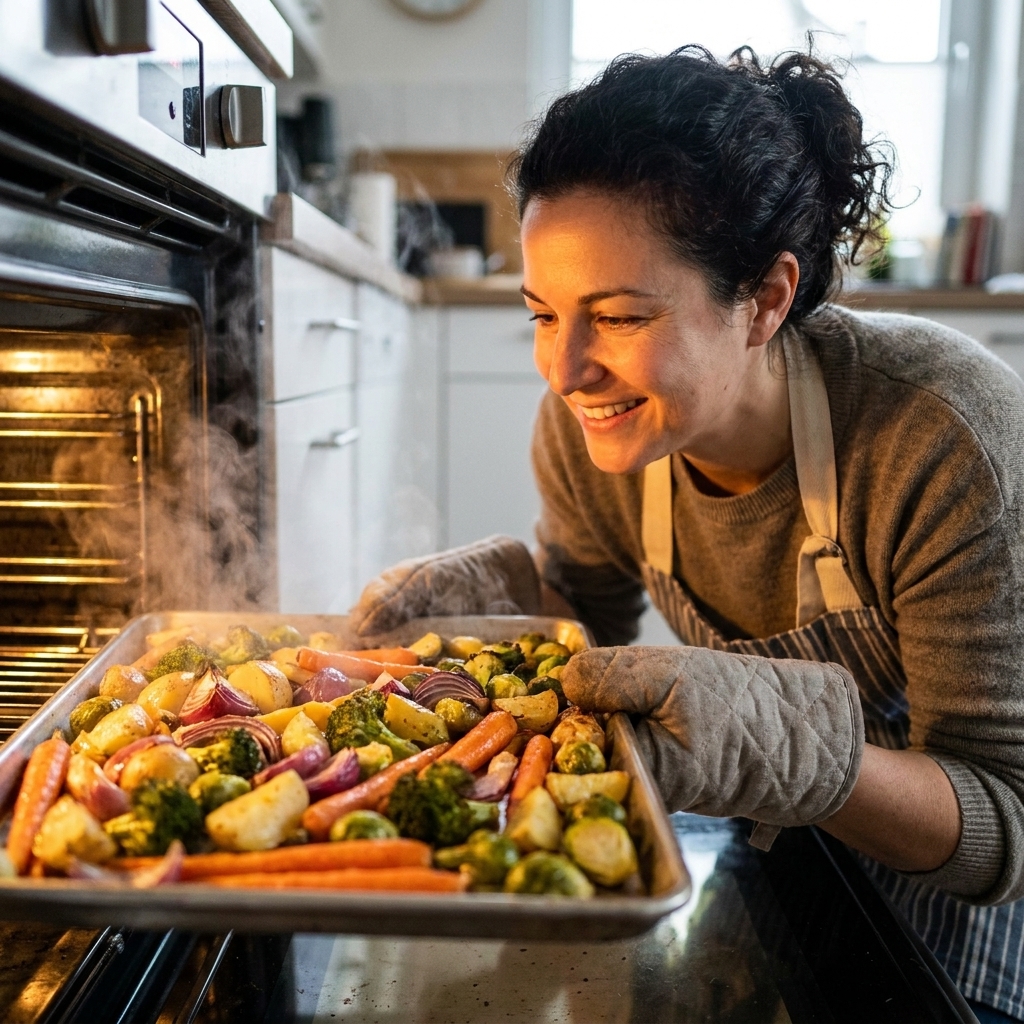
7) Wrong pan, liner, or sauce
What happens: Flimsy pans warp and create hot spots. Dark pans can brown faster. Silicone mats can reduce browning. And sticky, sugary sauces can burn before dinner is done.
How to avoid it: Use the right tool for the job and know what each liner and sauce does.
- Best all-purpose: A sturdy rimmed half sheet pan.
- Parchment paper: Great for easy cleanup and preventing sticking. Browning is still solid, especially around 425°F, but it can be a touch less crisp than bare metal.
- Foil: Great for sticky sauces and super easy cleanup. Lightly oil it or use nonstick foil if you have it.
- Silicone baking mat: Fantastic for cookies, less ideal when you are chasing crispy roasted edges.
- Sauces with sugar or honey: Brush on during the last 5 to 10 minutes, or roast at a slightly lower temperature so it glazes instead of burns.
Confession: I once roasted chicken on a thin pan that warped so dramatically it dumped hot juices onto my oven floor. The smoke alarm was not impressed. A heavy pan is worth it.
My quick sheet pan checklist
- Oven at 425°F and fully preheated (or 25°F lower on convection)
- Middle rack for even roasting
- Food in a single layer with space
- Dry proteins, evenly coated vegetables
- Dense items cut smaller, watery items added later or spaced out
- Season right before roasting, finish with acid
- Sturdy rimmed sheet pan, parchment or foil as needed
- Glazes added near the end
FAQ
Why are my sheet pan vegetables soggy?
Most often it is overcrowding, too low of an oven temperature, or too many high-moisture vegetables on the pan at once. Spread ingredients out, roast at around 425°F, and add watery vegetables later.
Should I roast protein and vegetables together?
You can, but you may need a staged approach. Start dense vegetables first, then add the protein, then add quick-cooking vegetables at the end. This keeps everything cooked properly without sacrificing browning.
How do I get crispier roasted potatoes on a sheet pan?
Cut them smaller, use enough oil, roast at around 425°F, and do not crowd the pan. For extra crunch, preheat the pan and spread potatoes out so they have direct contact with the hot surface.
Do I need to flip everything halfway through?
For most vegetables, yes, a quick toss or flip helps browning. For skin-on chicken thighs, I usually leave them alone so the skin can crisp undisturbed.
How do I know the chicken is done?
A thermometer makes sheet pan life less stressful. Chicken breast is safe at 165°F. Thighs are also safe at 165°F, but they often eat better closer to 175 to 190°F because the connective tissue has time to relax.
One last pep talk
Sheet pan dinners are supposed to make your life easier, not give you a complicated new hobby. If your last one-pan meal came out a little sad, it does not mean you are bad at cooking. It means your pan needed space, your oven needed heat, your sauce needed different timing, or your ingredients needed a better schedule. Make one tweak this week, and I promise you will taste the difference.