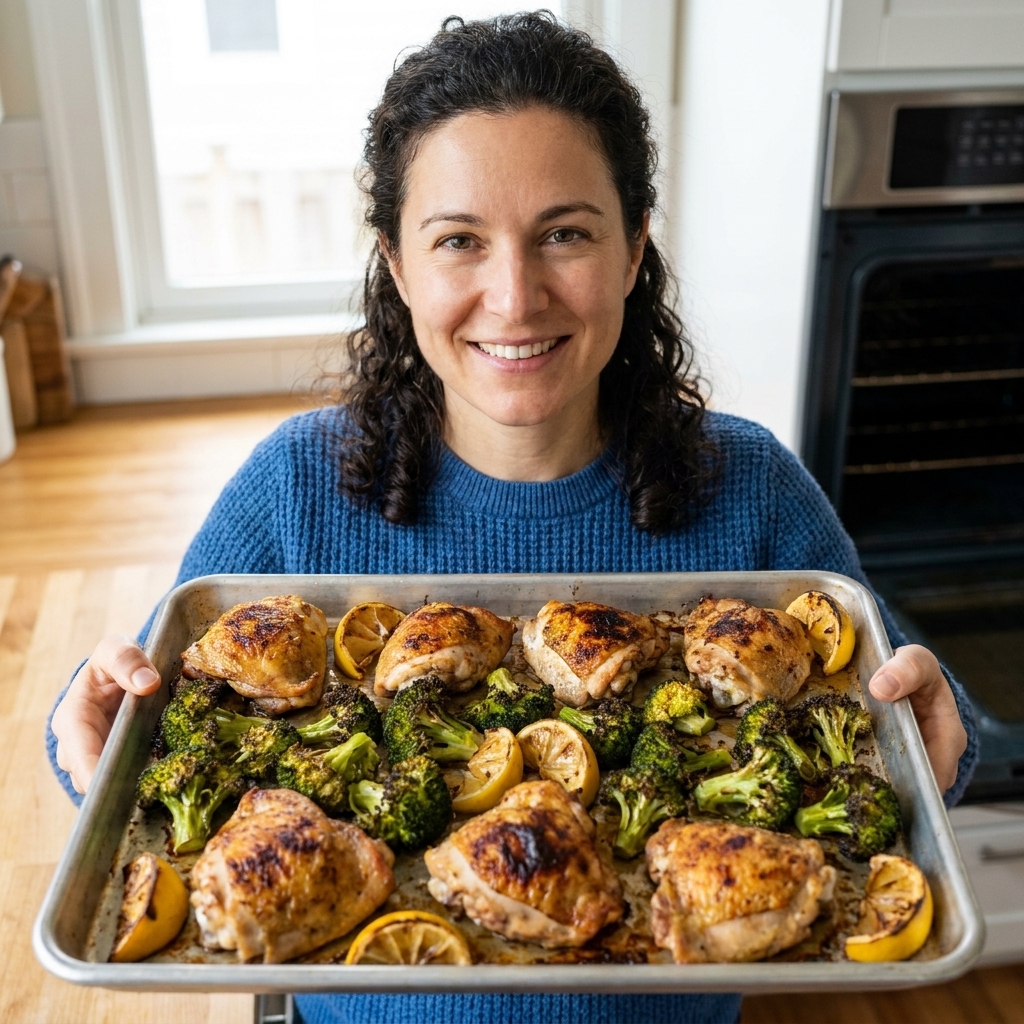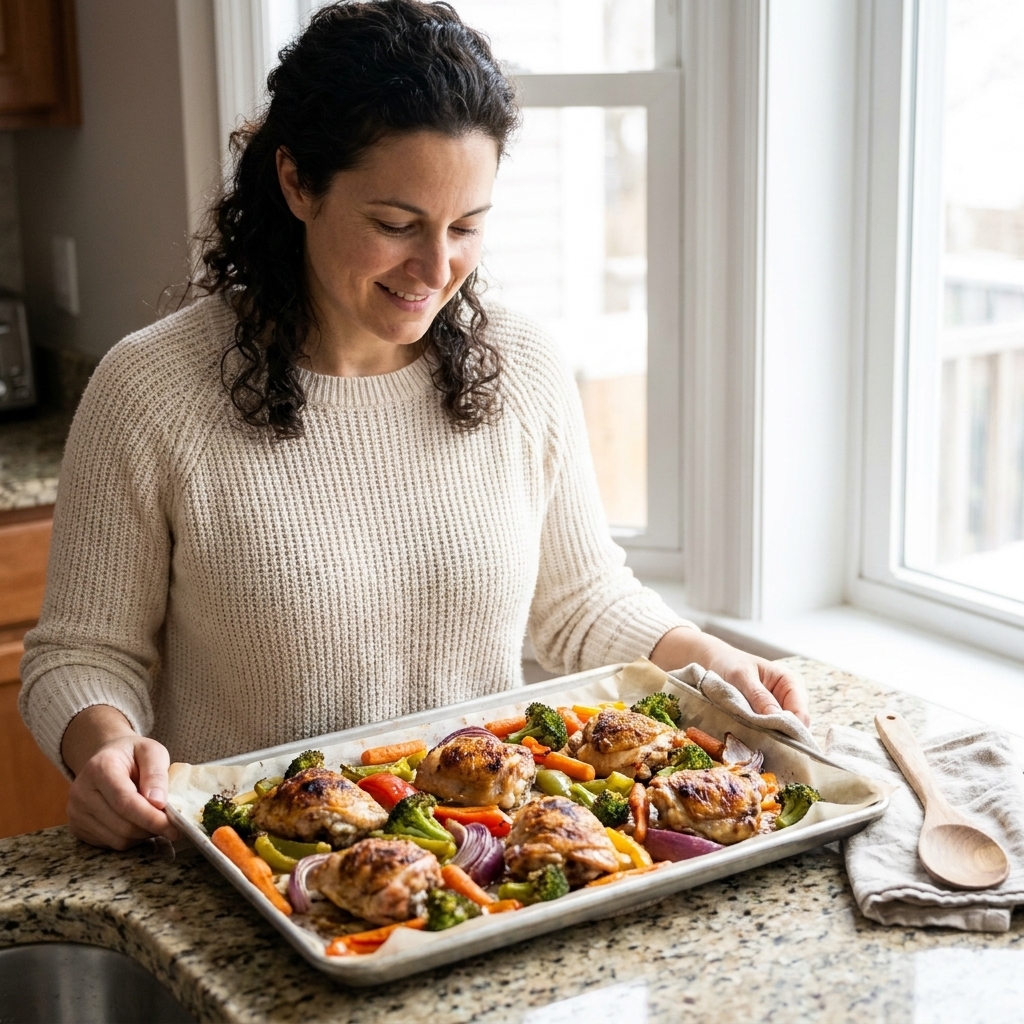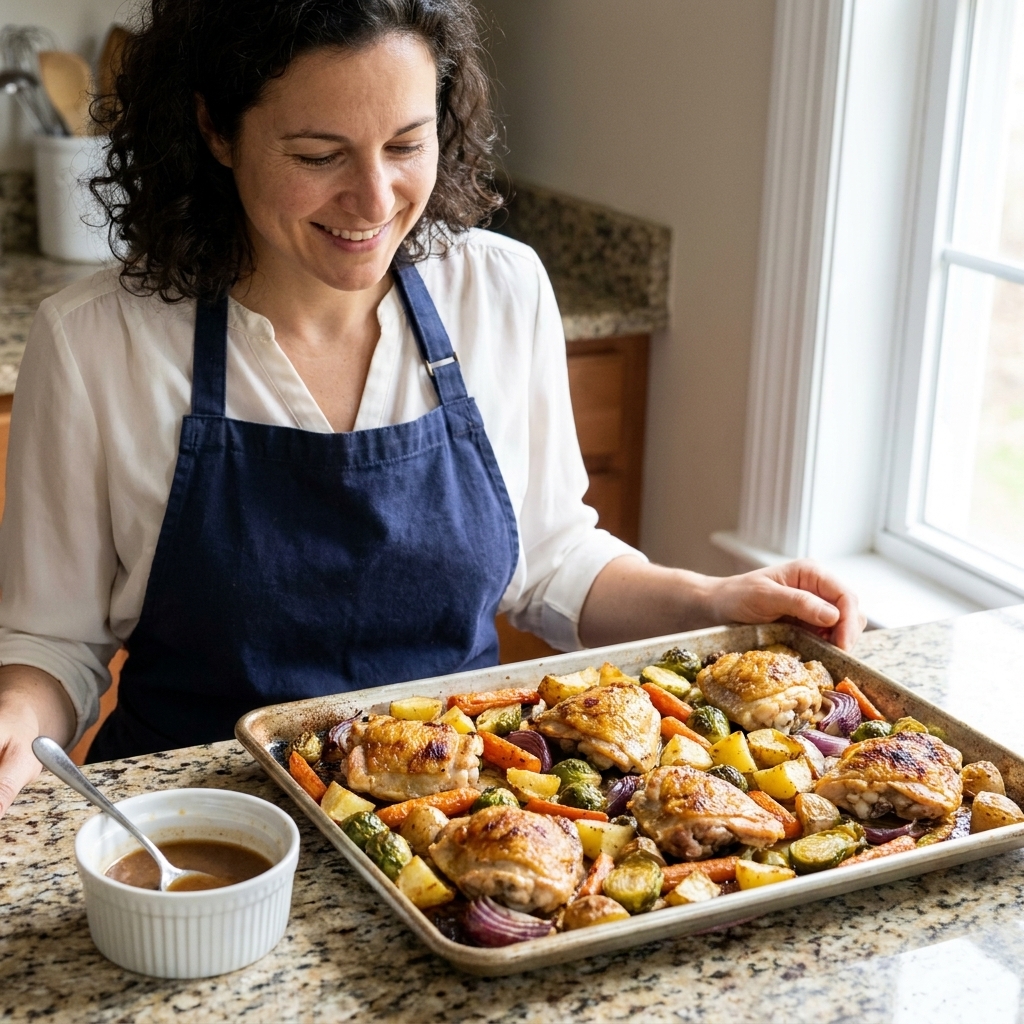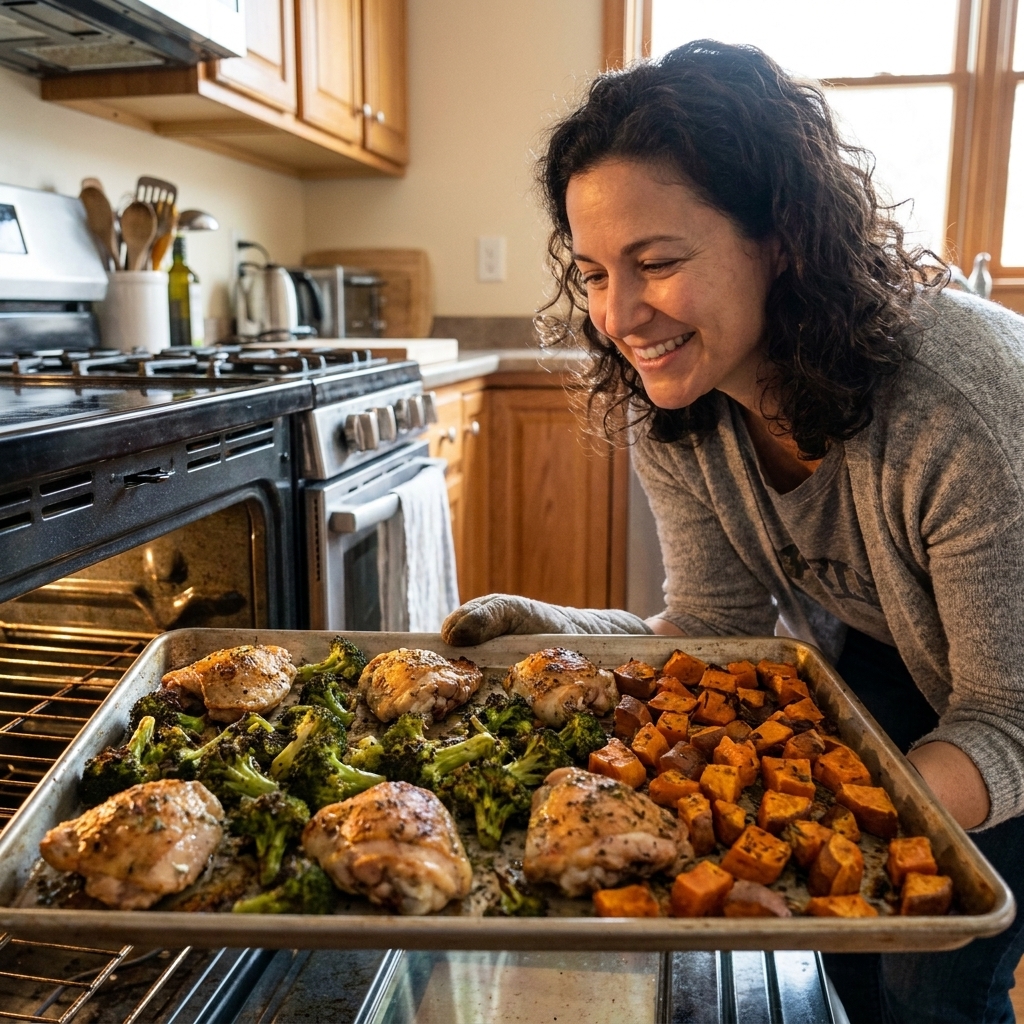
If you have ever pulled a sheet pan out of a hot oven and heard that dramatic BANG as it warps, welcome. You are among friends. I love a one-pan dinner with my whole heart, but I do not love a pan that turns into a potato chip at 450°F and sends my broccoli sliding into the chicken juices.
The good news: you do not need a cabinet full of fancy bakeware to make sheet pan meals work. You need one or two sturdy pans that heat evenly, resist warping, and clean up without a 20-minute soak and an existential crisis.
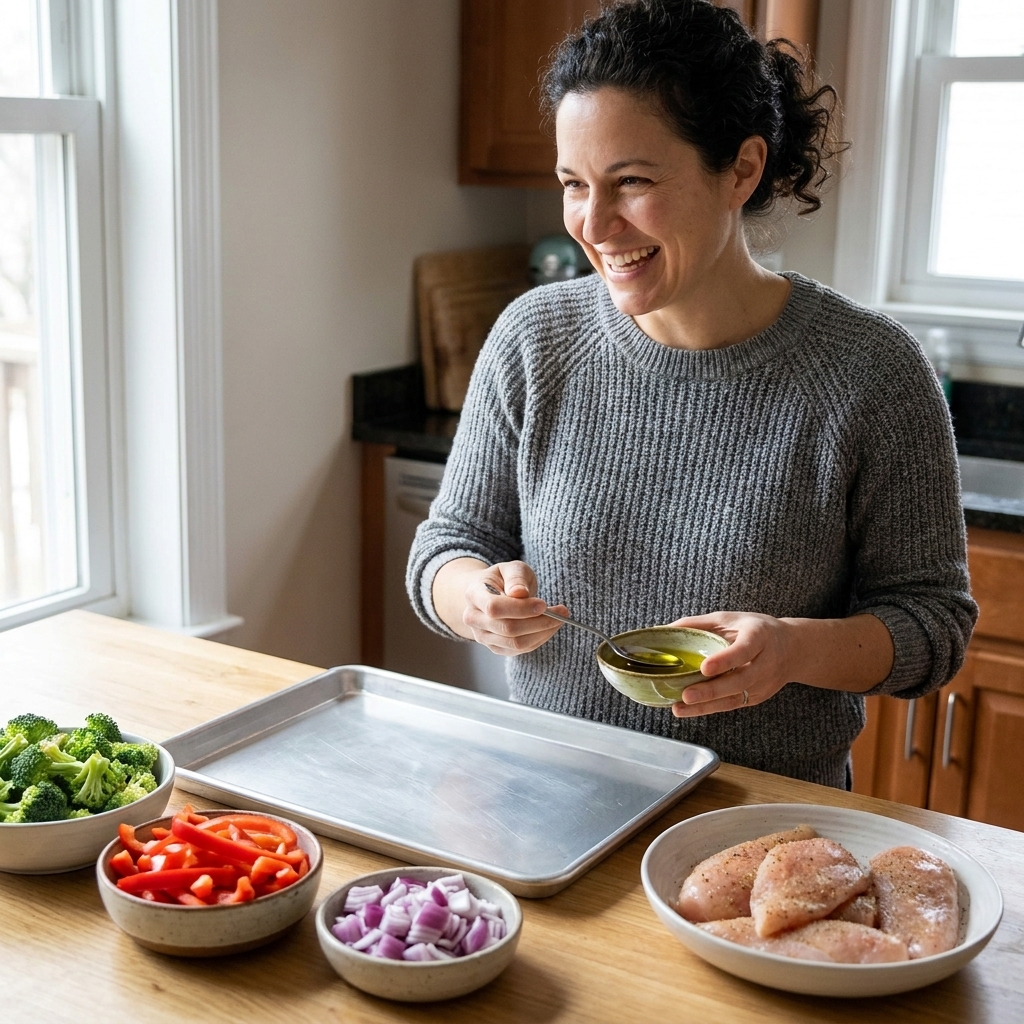
My top picks
These are the styles and specific lines I reach for when I want crisp edges, even browning, and zero warping drama. I am focusing on everyday high-heat roasting for dinner, not delicate pastry work.
Best overall: Nordic Ware Naturals Aluminum Half Sheet (rimmed)
If you cook one-pan meals even once a week, a rimmed half sheet is your workhorse. Nordic Ware’s Naturals line is a classic for a reason: thick bare aluminum that heats quickly and evenly, with a rolled rim that adds strength.
- Why it works for sheet pan dinners: Even browning, sturdy rim, great value for the performance.
- Sizes to consider: Half sheet for dinner, quarter sheet for small-batch roasting or sides.
- Heads-up: Bare aluminum will discolor over time. That is normal and does not affect performance.
Best upgrade: Nordic Ware Naturals Prism Half Sheet
Same dependable aluminum base, but with a textured surface that helps with airflow and release. In plain language: less sticking and less steaming. I like this one when I am roasting a lot of vegetables or doing a chicken-and-veg situation where drippings can caramelize.
- Why it is worth the upgrade: Better release, great browning, still sturdy.
- Heads-up: The texture can hold onto baked-on bits if you go nuclear-hot (think 475 to 500°F) without parchment. Use parchment or foil when you are roasting sticky marinades.
Best for easy cleanup: USA Pan Half Sheet (aluminized steel, nonstick)
USA Pan makes excellent bakeware and their nonstick is legitimately helpful for weeknights. Their pans are typically aluminized steel, which means strong structure and good heat behavior, plus a proprietary nonstick coating that the brand markets as PTFE- and PFOA-free. Treat it like nonstick and it will treat you back.
- Why it works: Great release for roasted potatoes, glazed chicken, and anything with a little sugar in the sauce.
- What to watch: Nonstick coatings are not forever. Treat it gently, avoid metal tools, and do not crank the broiler right on top of it unless the manufacturer says it is broiler-safe.
Best stainless-style: All-Clad Pro-Release baking sheet (aluminized steel, nonstick)
If you want something that feels like it could survive a small apocalypse, a heavy All-Clad baking sheet is that vibe. The most widely available sheet in their current lineup for most home cooks is typically the Pro-Release style, which is usually aluminized steel with a nonstick coating. Translation: very rigid, resistant to warping, and easy to clean.
- Why it works: Super sturdy, strong rim, holds its shape well.
- Trade-off: It will not brown exactly like bare aluminum. If you are chasing maximum crisping, preheat the pan and use a little oil (or parchment for easy cleanup).
- Buying note: All-Clad names can vary a bit by retailer. Look for “Pro-Release” and confirm the material in the specs.
Best budget: commercial-style heavy-gauge rimmed aluminum half sheet
Restaurant supply stores and some no-frills commercial brands sell thick aluminum half sheets that perform beautifully. The key is not the brand name. The key is gauge and rim strength.
- Look for: Heavy-gauge aluminum with a rolled, reinforced rim. As a quick shopping clue, many solid pans are listed around 16-gauge (thicker) or heavier. If the listing does not say a gauge, look for weight and a reinforced rim.
- Avoid: Super lightweight cookie sheets with little to no rim. Those are the warp-and-slide champions.
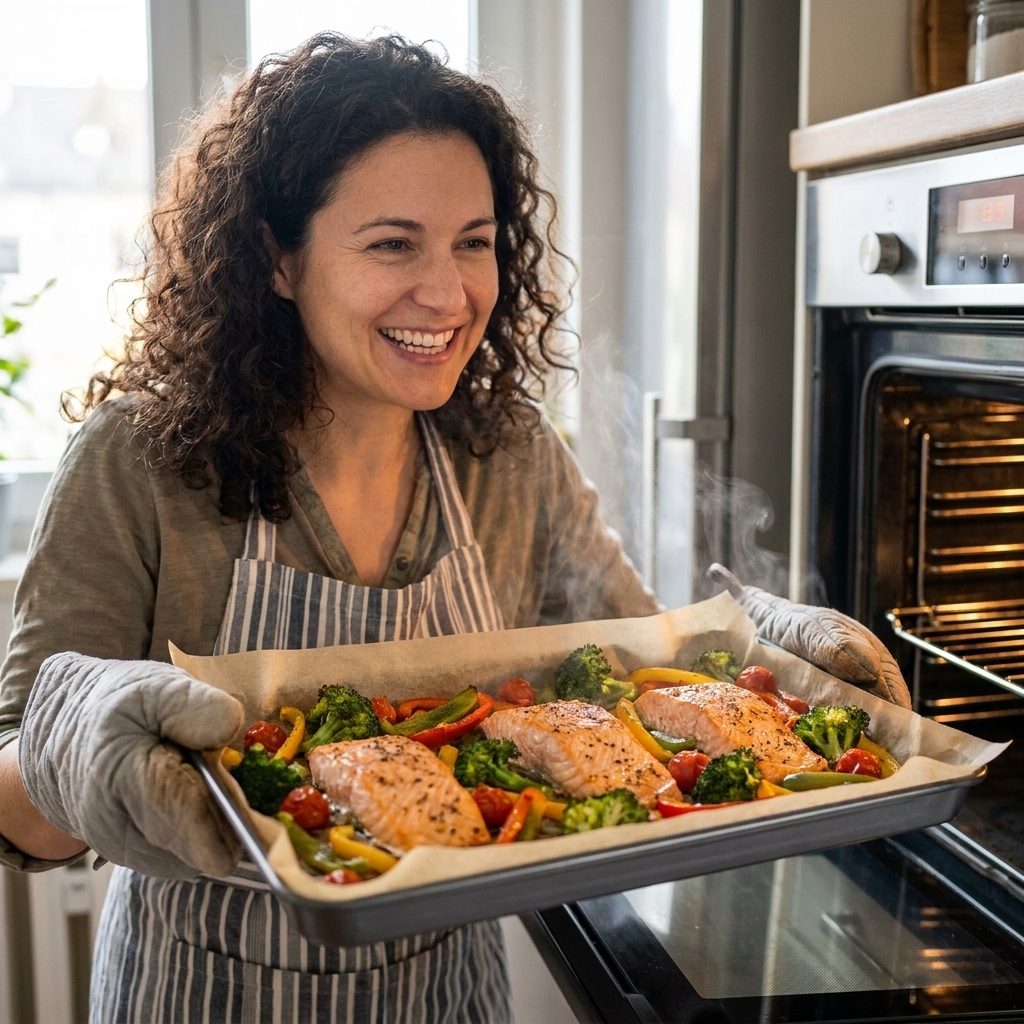
Why pans warp
Warping is usually a combo of thin metal and thermal shock. Thermal shock is a fancy way of saying the pan heats unevenly or too rapidly in spots, so the metal expands at different rates and bends.
Go heavy-gauge
For sheet pan dinners, thin pans are a headache. They hot-spot, burn sauces, and warp when you look at them funny.
- Best heat conductor: Aluminum (especially heavy-gauge).
- Most rigid: Thick steel, often heavier and slower to heat.
Choose a reinforced rim
A rolled rim is not just there to keep juices from dripping. It adds structure, like a little metal frame.
Avoid temperature whiplash
- Do not move a screaming-hot pan onto a cold, wet surface.
- Let it cool a bit before washing.
- If you are using a chilled marinade, it is fine, but do not pour ice-cold liquid onto a blazing hot pan.
Buying guide
Best sizes
- Half sheet (about 18 x 13 inches): The everyday dinner pan for 3 to 5 servings, depending on appetites. Actual dimensions vary a bit by brand.
- Quarter sheet (about 13 x 9 inches): Perfect for sides, smaller households, toaster-oven roasting, or keeping ingredients separate. Actual dimensions vary a bit by brand.
Quick reality check: A half sheet fits in most standard home ovens, but always measure if your oven runs narrow.
Material
- Aluminum: My top choice for sheet pan dinners. Conducts heat quickly and evenly for browning and crisping.
- Aluminized steel: Strong and warp-resistant, with decent heat performance. Often paired with nonstick coatings.
- Stainless steel: Very durable, but it conducts heat poorly on its own. If you see stainless marketed with an aluminum core, that generally helps heat spread more evenly.
Nonstick or not?
I am not anti-nonstick. I am anti buying nonstick and then treating it like cast iron. If you want a pan you can scrape aggressively and run through anything, stick with bare aluminum and use parchment.
- Choose nonstick if: You roast sticky glazes often and want easy release.
- Choose uncoated if: You want maximum longevity and do not mind lining the pan.
Rim height
For sheet pan dinners with marinades and drippings, you want a rim. A true rimmed baking sheet helps you toss veggies, move the pan safely, and keep juices where they belong.
Acidic foods note
Bare aluminum and acidic ingredients (tomatoes, citrus, vinegar) can be a little dramatic together. For quick roasting, it is usually fine, but prolonged contact can discolor the pan and occasionally give you a faint metallic note. If your dinner is swimming in lemon juice or tomato sauce, line the pan with parchment or foil.
What to skip
- Rimless cookie sheets: Fine for cookies, annoying for dinner.
- Very dark, super thin pans: Tend to scorch and warp.
- Glass baking sheets: Not the same thing, and not great for high-heat roasting and crisping.
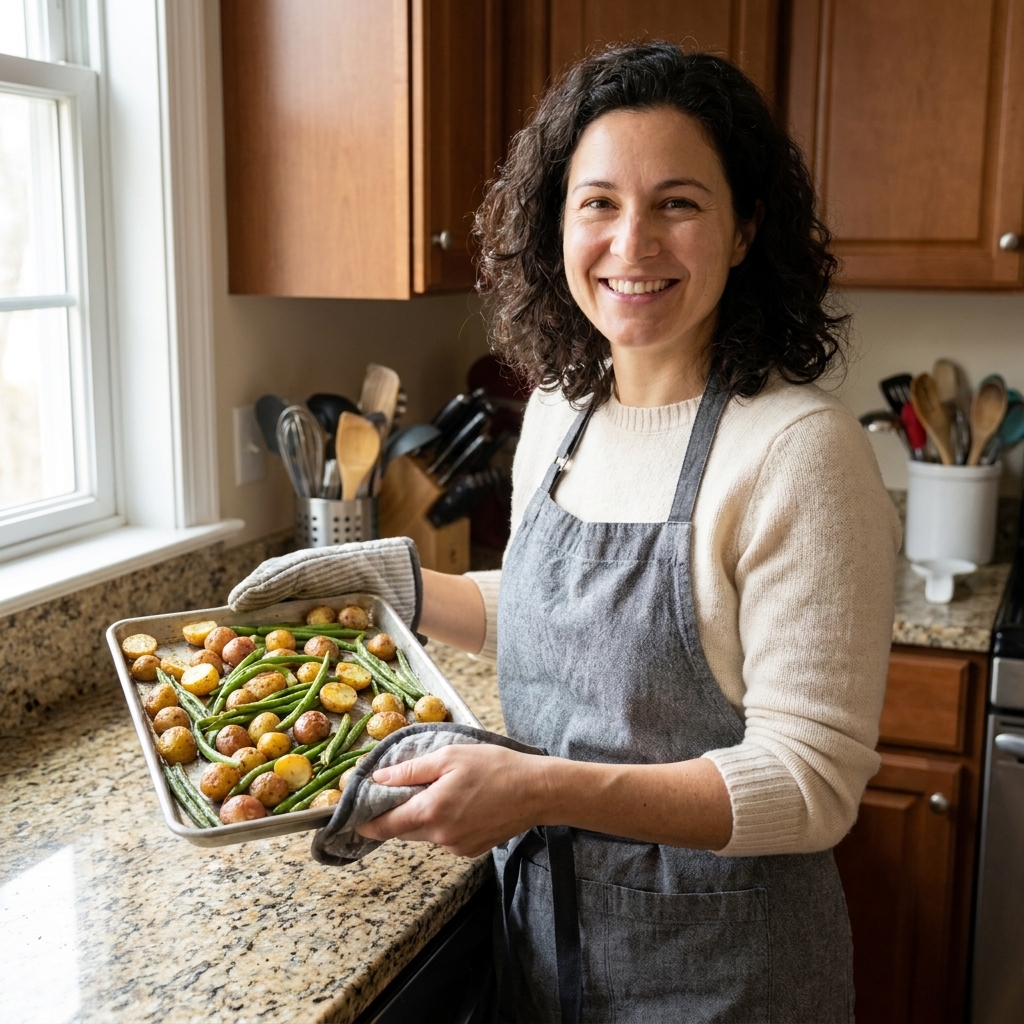
Sheet pan tricks
Line it
- Parchment paper: My default for most sheet pan dinners. Great browning, easy cleanup. Just keep parchment away from direct broiler heat and follow the temperature limit on the box, since it can darken or scorch at very high temps.
- Foil: Helpful for saucy, sticky, or messy meals. If you want more browning, lightly oil the foil. Foil is fine at high heat, but it can change browning a bit because it reflects heat.
- Reusable silicone mats: Great for cookies, less ideal for crisping veggies because they can reduce browning.
Do not overcrowd
If your vegetables are piled up, they steam. Spread everything into a single layer with a little breathing room. If you need more space, use two pans and rotate them halfway through.
Preheat for crisping
For roasted potatoes, Brussels sprouts, or any make-it-crispy situation, preheat the pan in the oven for 5 to 8 minutes, then add your oiled ingredients. You will hear a satisfying sizzle and that is the sound of dinner getting better.
Use the right rack
- Middle rack: Most even cooking for proteins and mixed veg.
- Upper-middle: More browning on top, helpful for finishing.
- Lower: Good for extra bottom browning, but watch for scorching.
Convection note
If you use convection, keep an eye on browning and check your oven’s guidance. Many ovens run best about 25°F lower on convection, but it depends on the model and the food.
Care and cleaning
Expect patina
Uncoated aluminum will darken and spot over time. That is normal. A seasoned-looking sheet pan is usually a well-loved sheet pan.
Skip the dishwasher for bare aluminum
Dishwashers can discolor aluminum and leave it looking chalky. Hand wash with warm soapy water instead.
For baked-on bits
- Soak with hot water and dish soap for 10 to 15 minutes.
- Use a non-scratch scrubber.
- Make a paste of baking soda and water for sticky spots.
If you have a nonstick pan, keep abrasives away and use soft tools. Your future self will thank you.
FAQ
What temperature warps sheet pans?
Warping is less about one magic temperature and more about thin metal plus rapid, uneven heating. It can happen at 400°F and it can also never happen at 500°F if the pan is thick and well-made. Heavy-gauge pans with reinforced rims handle high heat far better.
Shiny or dark pans?
Shiny, light-colored aluminum pans are my pick for even browning and fewer scorched spots. Very dark pans can brown faster and sometimes too aggressively, especially with sugary sauces.
Can I broil with a sheet pan?
Many uncoated aluminum sheet pans can handle broiling, but always check the manufacturer’s guidance and keep an eye on it. If your pan is nonstick, broiling can shorten the coating’s life. I usually broil briefly and carefully, and I avoid broiling nonstick unless it is clearly rated for it. Parchment is not a broiler friend, so swap to foil if you are going to broil.
My simple shortcut
If you want the no-regrets setup for one-pan meals, here is what I recommend for most home cooks:
- Two rimmed aluminum half sheet pans (so you can rotate pans or keep proteins and veggies separate when timing is tricky)
- One rimmed quarter sheet pan (for small sides, reheating, or meal prep odds and ends)
- Parchment paper (your cleanup insurance policy)
Get those basics right and sheet pan dinners become what they were always meant to be: fast, cozy, and blissfully low on dishes.