If you have ever looked at a five-ingredient recipe and thought, “Cute idea, but will it taste like anything?” I have been there. Past-me tried to compensate by dumping in every spice I owned, then wondered why dinner tasted like a confused potpourri and I still had a sink full of measuring spoons.
The good news: you do not need a massive spice rack to make one-pot dinners taste deep, savory, and “how did you do that?” delicious. You need technique. Specifically: searing, reducing, and a short list of high-impact umami ingredients that do the heavy lifting.
Quick note on what “5 ingredients” means here: I am counting the main players (protein, veg, aromatics, a liquid or fat, and one flavor booster). Basics like salt, pepper, and water are “freebies” most home cooks already have. If you prefer strict five, you can still do it, just choose your booster carefully and treat oil as your “fat” ingredient.

The 5-Ingredient Mindset
When you only have five ingredients, each one needs a job. I like to think in these roles:
- Protein: chicken thighs, sausage, shrimp, chickpeas
- Vegetable: broccoli, green beans, mushrooms, cherry tomatoes
- Aromatic or allium: onion, scallion, garlic (or a shortcut paste)
- Cooking fat: olive oil, butter, ghee
- Simmer liquid: broth, coconut milk, crushed tomatoes
- Flavor “multiplier”: something salty, fermented, aged, or concentrated
That last slot is where the magic happens. Choose one strong multiplier instead of ten little pinches of everything.
Technique 1: Sear for Flavor
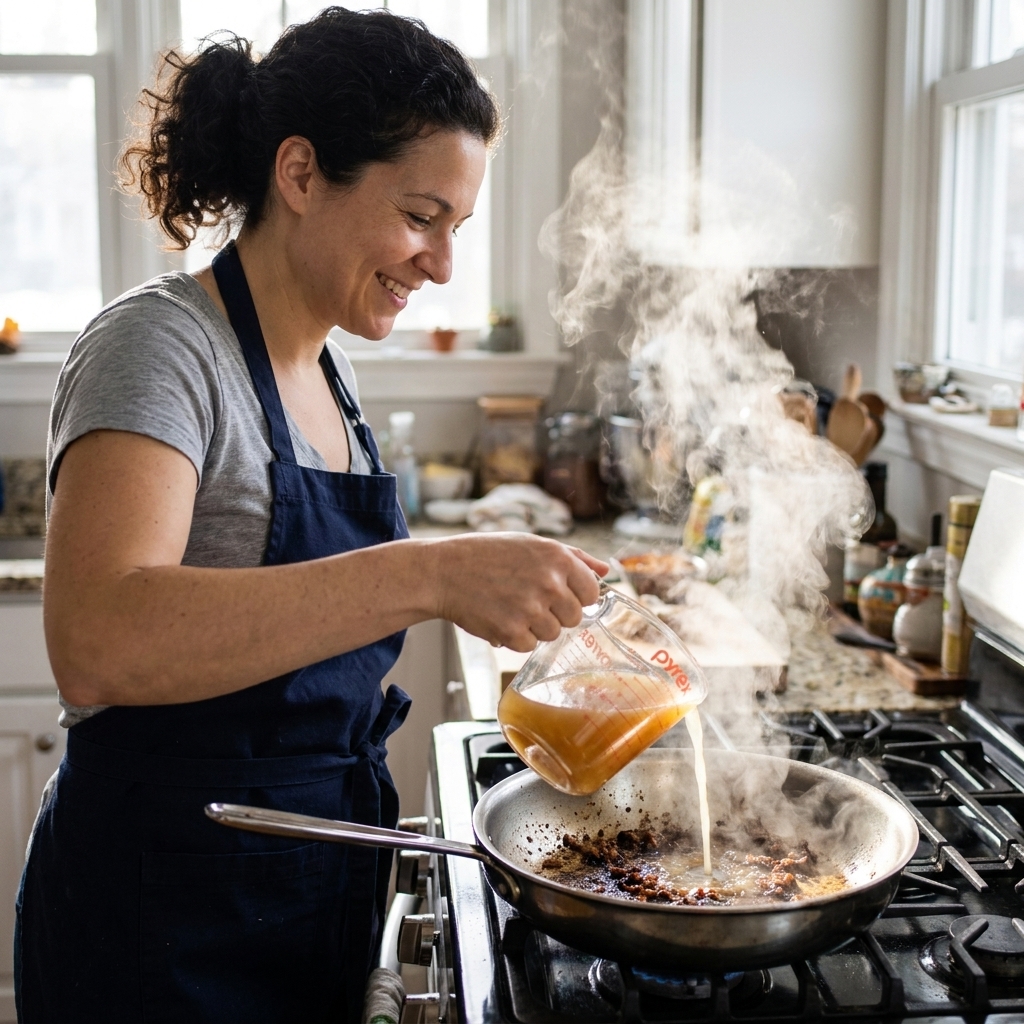
Searing is not just “making it brown.” It is building the base flavor for the whole pot or pan. Those browned bits stuck to the bottom, called fond, are basically free flavor concentrate.
How to get a real sear
- Dry the protein: pat chicken, pork, or shrimp dry with paper towels. Moisture steams. Dry browns.
- Use enough heat: medium-high in a heavy pot or cast-iron skillet. You want an eager sizzle, not a timid hiss.
- Do not crowd: if the pan is jammed, everything steams and you get pale sadness. Work in batches if needed.
- Leave it alone: give it 3 to 5 minutes before you even think about flipping. Proteins often release when they are properly browned, but if yours is sticking, give it another minute and make sure the pan is hot enough and lightly oiled.
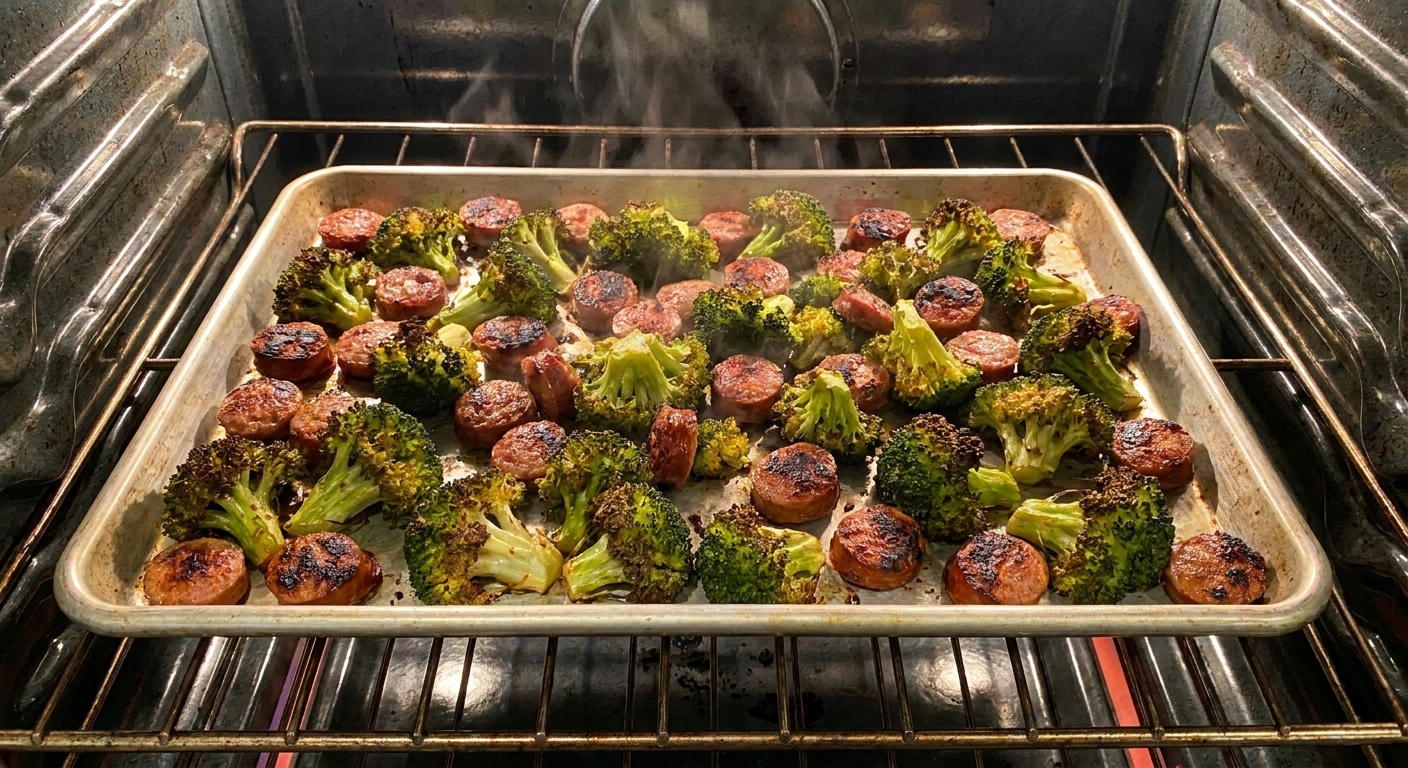
Sheet pan version
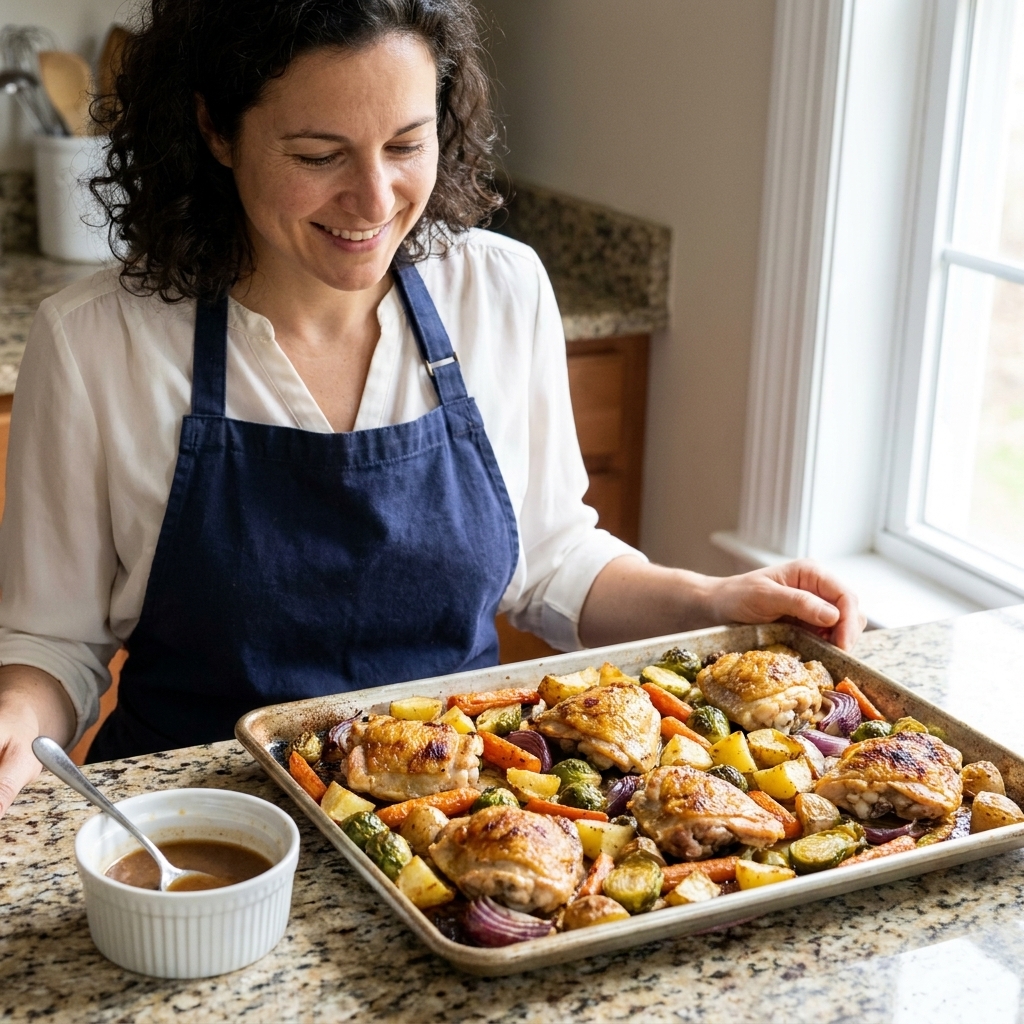
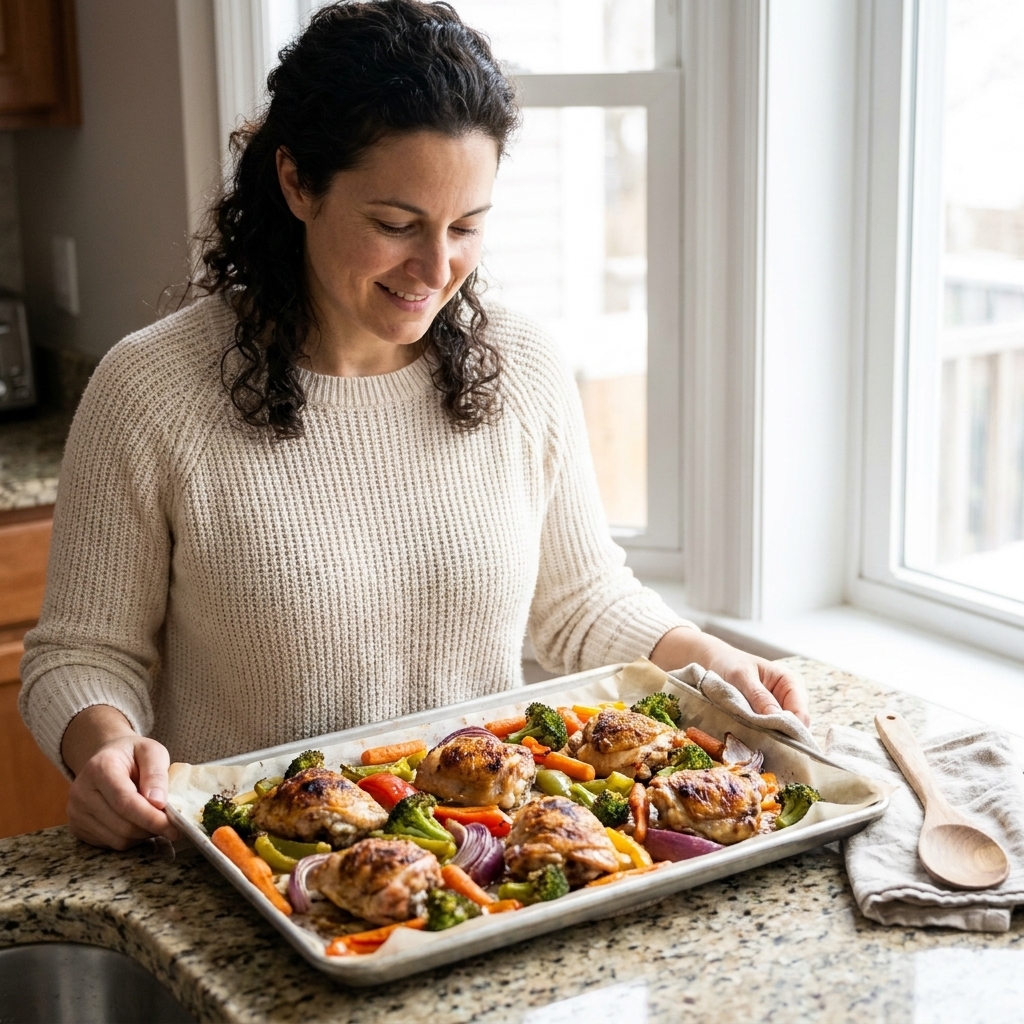
Sheet pans can brown well, but it depends on moisture and how packed the pan is. Two tweaks help a lot:
- Preheat the pan: slide the empty sheet pan into a 450°F oven for 5 to 7 minutes, then carefully add ingredients.
- Give oil a purpose: toss protein and veggies with oil thoroughly so surfaces can brown, not just glisten.
Technique 2: Deglaze and Reduce
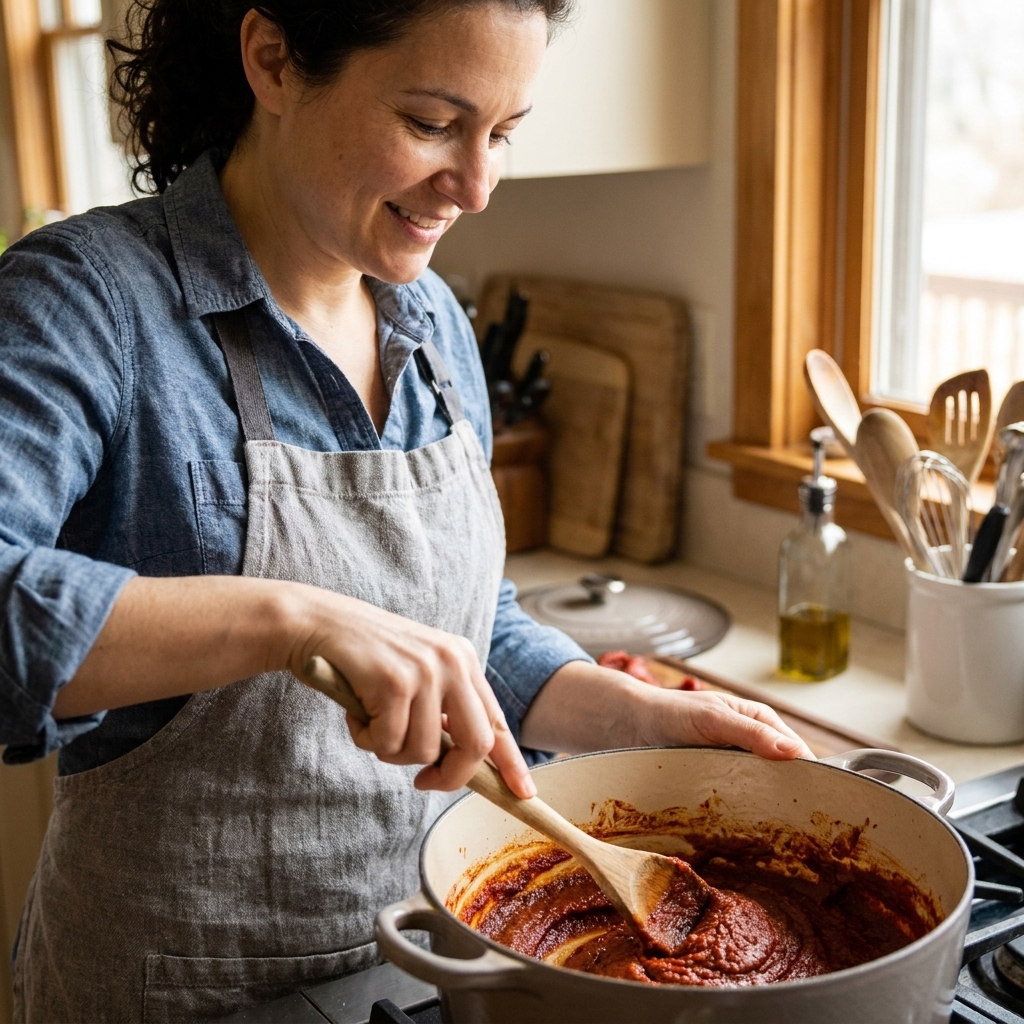
This is my favorite “no extra ingredients” trick because it turns the fond you created into a glossy sauce without opening your spice cabinet.
Deglaze in one pot
After searing, you will have browned bits on the bottom. Do this:
- Lower heat to medium.
- Add a splash of liquid (about 1/4 cup broth, wine, or water). If you use water, add a little saltiness too, like 1 teaspoon soy sauce, so it does not taste like, well, water.
- Scrape the bottom with a wooden spoon until the pot is clean and the liquid is brown and fragrant.
- Let it simmer until it reduces slightly and smells rich, not watery.
Reduction concentrates flavor. If your minimalist dinner tastes bland, it usually needs either more salt or a little more reduction time.
Quick visual cues
If your sauce coats the back of a spoon and a swipe leaves a clear trail, you are in the “this tastes like restaurant food” zone. (Thin broths will not always do the spoon-coat thing, so in those cases, trust your nose and taste: you want “savory and rounded,” not “hot brown water.”)
Do not burn the fond
If the browned bits start turning black or smell acrid, the heat is too high. Pull the pot off the burner for a moment, add a splash of liquid to cool things down, and keep scraping. If the fond is truly scorched, do not force it. Wipe out the pot and keep going. Better a tiny reset than a whole dinner that tastes like regret.
Technique 3: One Umami Booster
Umami ingredients add savory depth fast. You do not need all of them. Pick one that fits the vibe of your dinner.
High-impact options
- Soy sauce or tamari: 1 to 2 teaspoons in a pot of soup, braise, or skillet sauce. Adds salt and deep color.
- Miso paste: whisk 1 tablespoon into warm broth or pan juices off heat so it stays aromatic. Great with mushrooms, chicken, and greens.
- Fish sauce: 1 teaspoon makes tomato-based or coconut-y one-pot meals taste fuller. It should disappear, not scream “fish.”
- Worcestershire sauce: a teaspoon in beefy, mushroomy, or lentil dishes. Instant “slow cooked” energy.
- Tomato paste: cook 1 tablespoon in the pot for 60 to 90 seconds until it turns brick red and smells sweet. Huge for five-ingredient chili-ish meals.
- Parmesan rind: drop it into soups, beans, or braises and simmer. Remove before serving.
- Olives or capers: salty, briny punch. Add near the end so the flavor stays bright.
- Anchovy paste: 1/2 teaspoon melted into hot oil disappears into savory goodness, especially with tomatoes or greens.
Vegan-friendly depth boosters: nutritional yeast (stir into sauces, beans, or sautéed veggies), dried mushrooms (rehydrate and use the soaking liquid), or kombu (simmer briefly in brothy dishes, then remove). These play especially well with soy sauce, miso, and tomato paste.
My rule: one umami ingredient plus proper browning beats five random spices every time.
Technique 4: Salt in Layers
With short ingredient lists, seasoning is not about dumping in more. It is about timing.
- Before searing: salt your protein so it tastes seasoned all the way through.
- After deglazing: taste the liquid. If it tastes like brown water, it needs either salt, reduction, or both.
- At the end: finish with something that wakes it up like lemon juice, vinegar, or a salty cheese.
If you add all your salt at the end, the surface will taste salty but the dish will still feel flat. Layering avoids that.
Technique 5: Finish With Contrast
This is the “five-ingredient meals taste exciting” secret. Rich and savory is good, but rich and savory plus something bright is even better.
Easy finishers
- Acid: lemon juice, lime juice, red wine vinegar, rice vinegar
- Fresh bite: sliced scallions, chopped parsley, baby arugula stirred in at the end
- Crunch: toasted nuts, crispy breadcrumbs, crushed tortilla chips
- Fatty finish: a drizzle of good olive oil or a small pat of butter stirred in off heat
Even a tablespoon of lemon juice can make a one-pot dinner taste twice as “done.”
5-Ingredient Formulas
These are mix-and-match formulas I use on busy nights. Each one keeps the ingredient list short while still tasting layered.
Chicken and greens
- Chicken thighs
- Onion
- Broth
- Kale (or spinach)
- Miso paste
Sear chicken, sauté onion in the drippings, deglaze with broth, whisk in miso off heat, simmer chicken until done, stir in greens to wilt. For chicken safety, cook until the thickest part hits 165°F.
Sausage and broccoli
- Sausage
- Broccoli
- Olive oil
- Lemon
- Parmesan
Roast hot (450°F) until browned, finish with lemon and parmesan. That is it.
Tomato chickpeas
- Canned chickpeas
- Onion
- Tomato paste
- Crushed tomatoes
- Worcestershire sauce
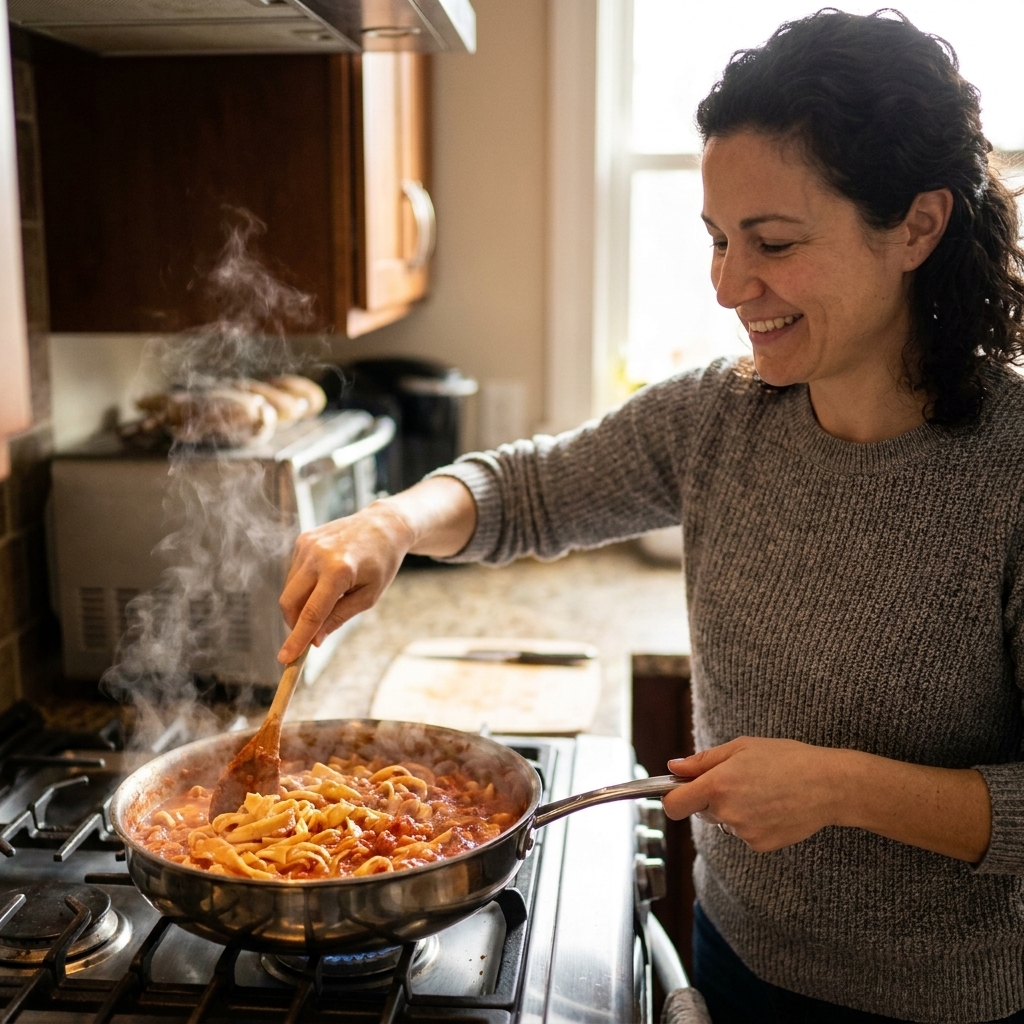
Cook tomato paste in oil until dark, add onion, then tomatoes and chickpeas. Simmer uncovered to reduce. Add Worcestershire near the end for depth.
Why It Tastes Bland
You skipped browning
If everything went into the pot raw, the dish will taste “boiled.” Sear at least one component.
You added liquid and never reduced
Watery sauce tastes like nothing. Simmer uncovered until it concentrates.
You were shy with salt
Minimalist meals need proper seasoning. Use salt confidently and taste as you go.
You needed a finish
A squeeze of lemon, a splash of vinegar, or a sprinkle of cheese can turn “fine” into “wow.”
Tiny Pantry List
If you want to stock just a few flavor boosters for one-pot and sheet pan cooking, these are the ones I reach for constantly:
- Kosher salt
- Black pepper
- Soy sauce or tamari
- Tomato paste
- Miso paste or Worcestershire sauce
- Lemons (or a reliable vinegar)
- Parmesan (or parmesan rinds)
Notice what is missing: 42 little jars. You can absolutely cook boldly without them.
FAQ
Can I really make a flavorful meal with only five ingredients?
Yes, if at least one ingredient is a strong flavor booster and you build flavor with browning and reduction. Five ingredients with good technique beats fifteen ingredients tossed in without a plan.
What is the best umami ingredient for beginners?
Soy sauce is the most forgiving. It adds salt plus depth and it plays well with chicken, pork, mushrooms, and roasted veggies.
How do I avoid over-salting with soy sauce or miso?
Use them as part of your salt plan. Start with a small amount, reduce your sauce a bit, then taste before adding extra salt. Reduction intensifies saltiness too.
Do I need wine to deglaze?
Nope. Broth works, water works, even a splash of pickle juice can work if it matches the dish. The key is loosening the fond and then reducing the liquid.
Bottom Line
When your ingredient list is short, your technique gets to be the “extra ingredient.” Sear to build fond, deglaze and reduce to concentrate flavor, then choose one umami powerhouse and a bright finishing touch. You will end up with one-pot and sheet pan dinners that taste like you tried way harder than you actually did, which is my favorite kind of cooking.