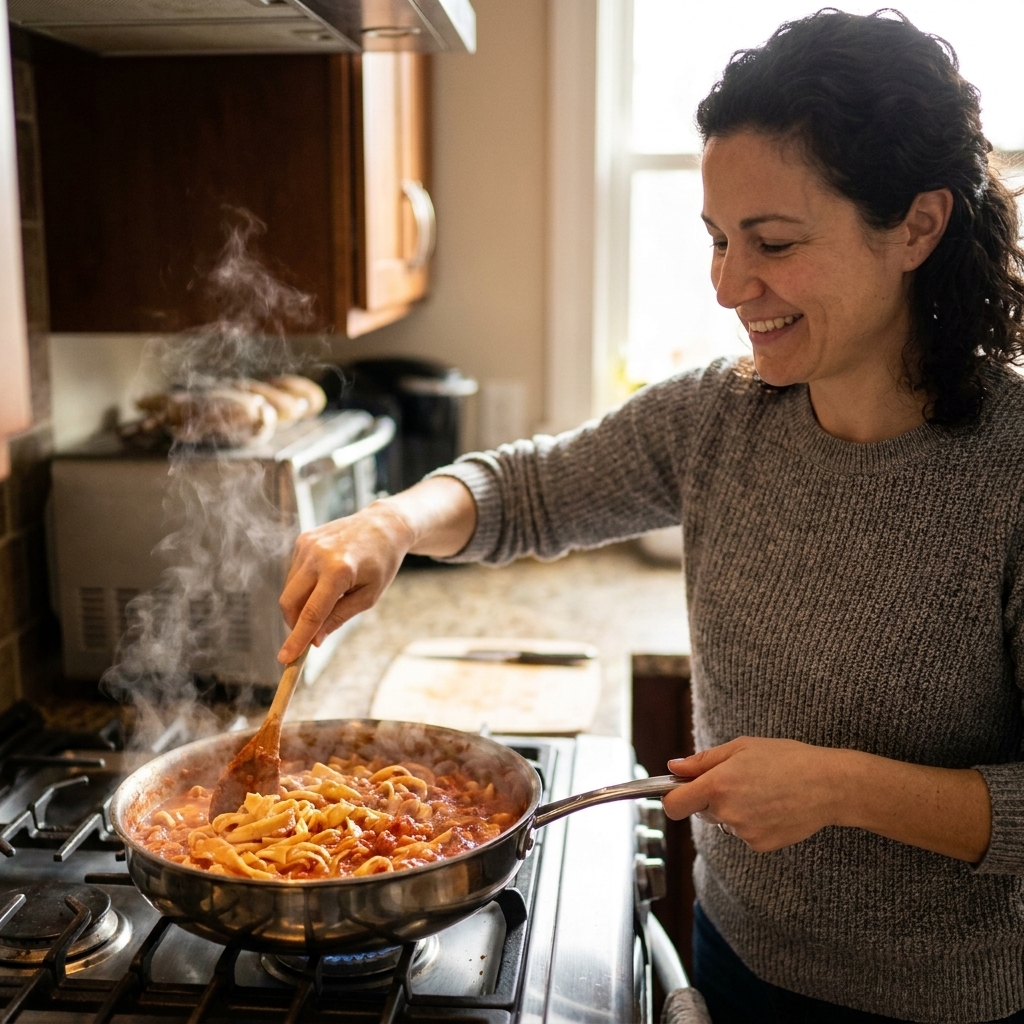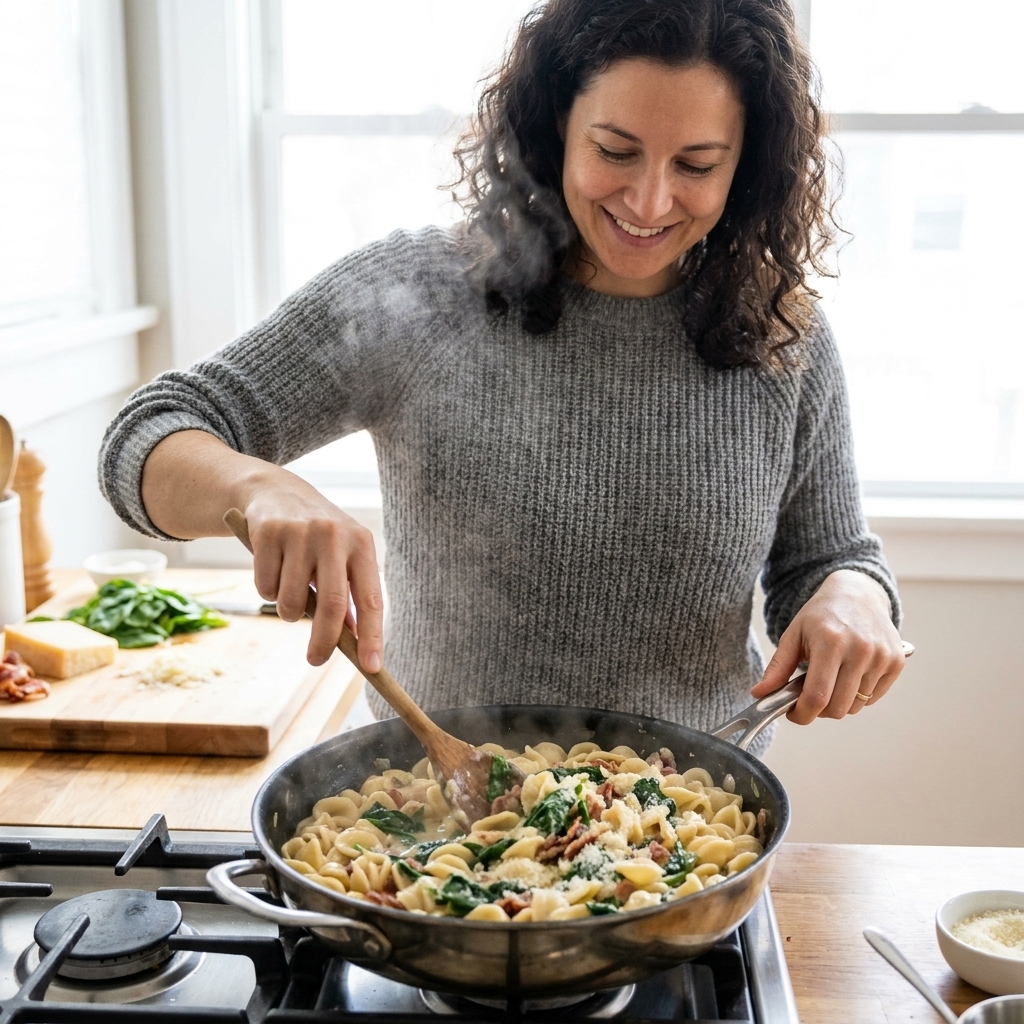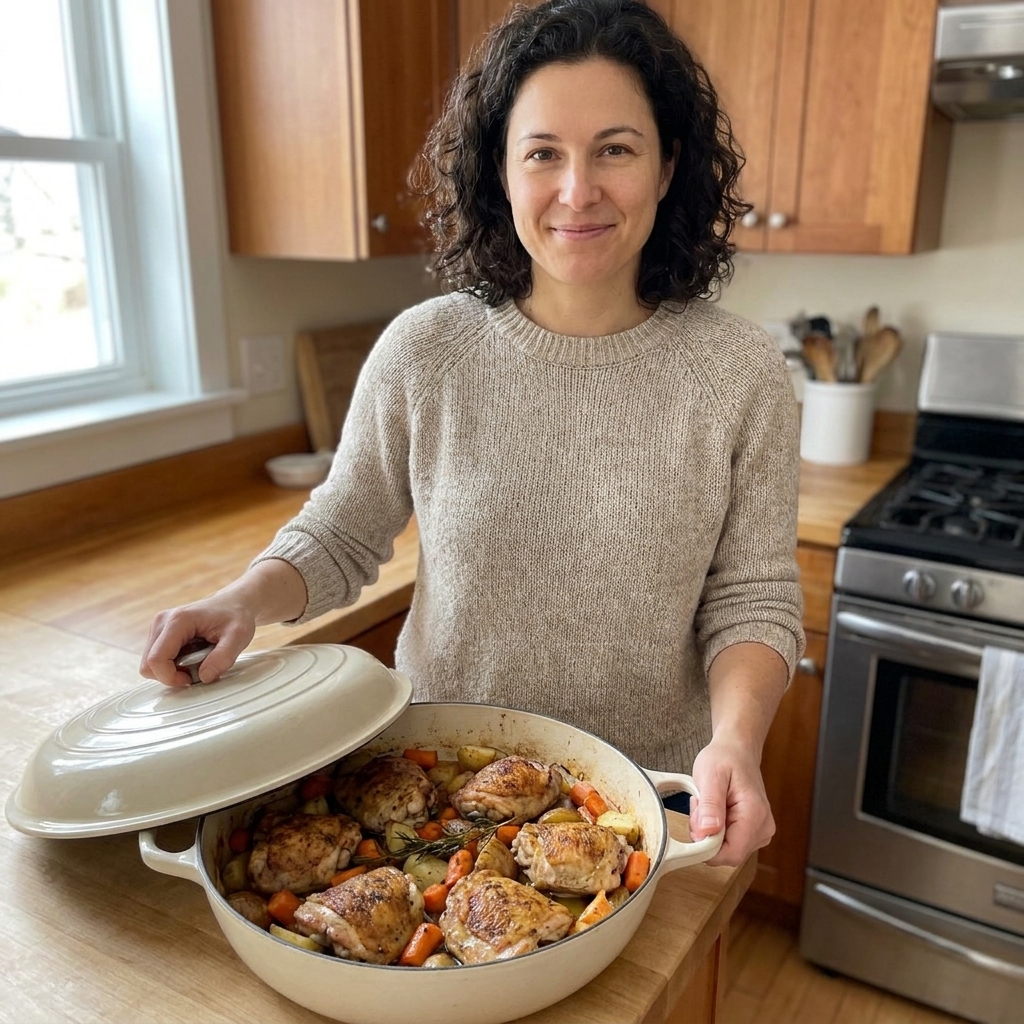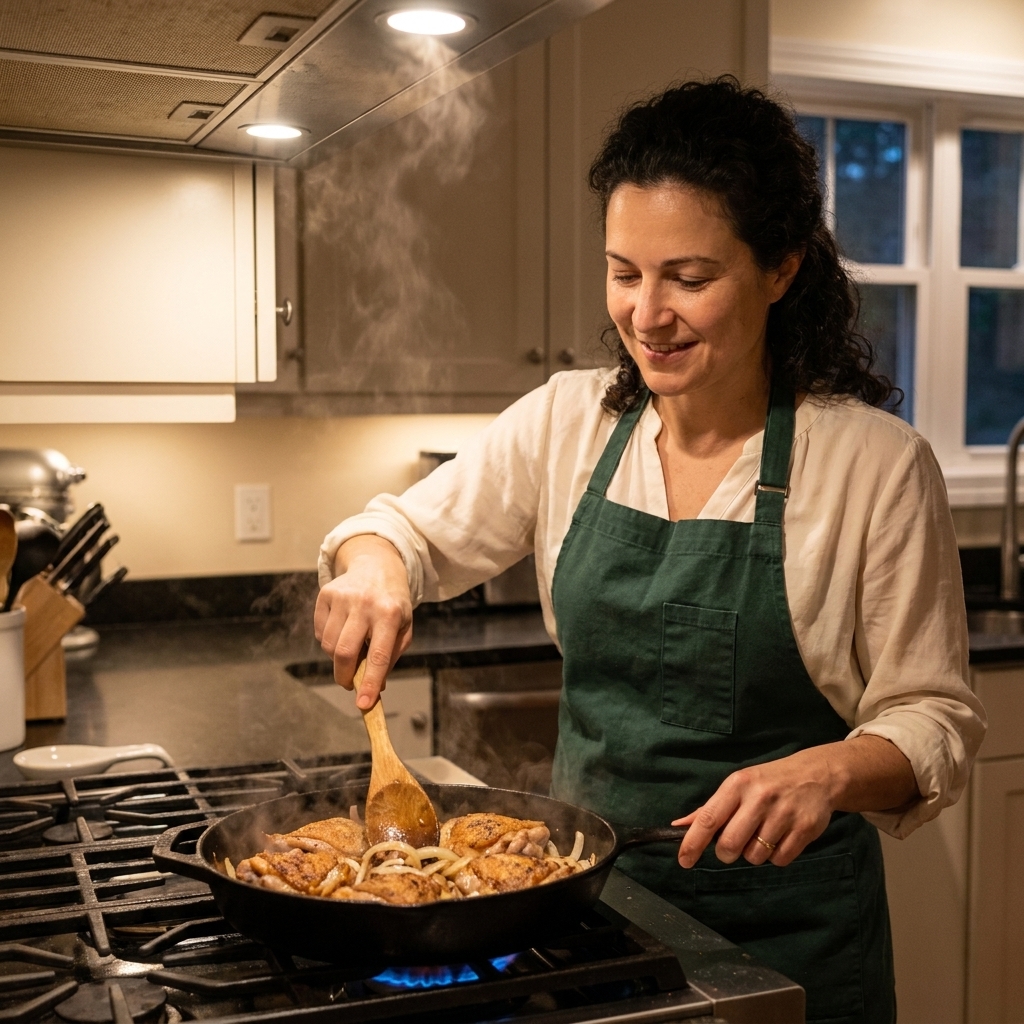
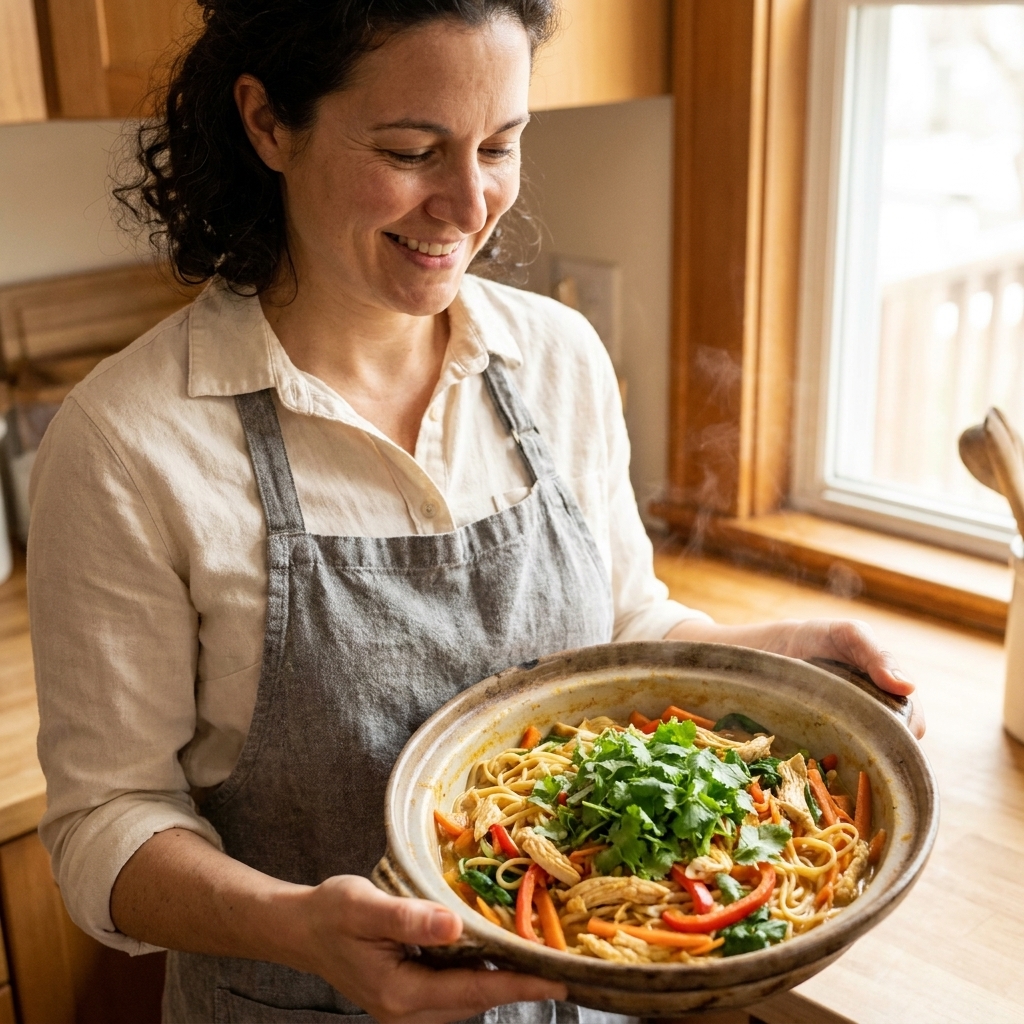
If you have ever paid for delivery because the idea of cooking also meant washing a sink full of pots, I see you. This is exactly why I love one-pot noodles. You get that glossy, saucy, slurpable comfort you crave, but the only thing headed to the sink is one pot, one spoon, and maybe a bowl if you are feeling fancy.
These are Asian-inspired, weeknight-fast noodle dishes built for real life: pantry sauces, a handful of fresh add-ins, and a simple order of operations so nothing turns to mush. Pick one, set a timer, and let dinner happen.
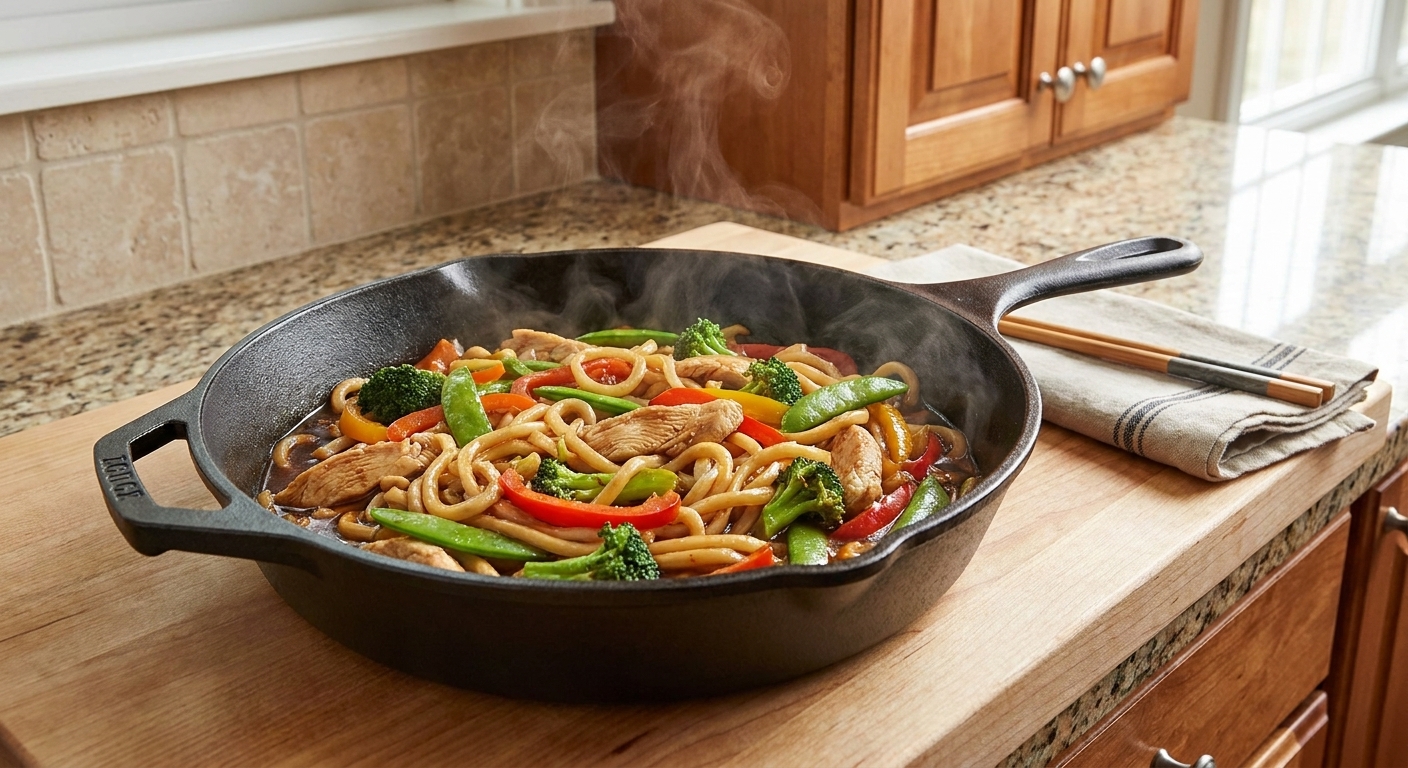
Your 10-minute noodle pantry
You do not need a specialty store haul to make these taste bold. If you keep even half of this list around, you are basically always 20 minutes away from noodle night.
Staple sauces and seasonings
- Soy sauce (or tamari for gluten-free, and low-sodium if you are sensitive to salt)
- Toasted sesame oil (best as a finishing oil; use neutral oil for high-heat sautéing)
- Rice vinegar or lime juice
- Hoisin or oyster sauce (either gives instant takeout-style depth)
- Chili crisp, sambal oelek, or sriracha
- Brown sugar or honey for balance
- Cornstarch (optional, but great for glossy sauces)
Noodles that behave well in one pot
- Rice noodles (thin for quick, wide for bouncy chew)
- Udon (shelf-stable packs are weeknight gold)
- Ramen noodles (skip the seasoning packets and use your own sauce, and check the package time)
- Soba (buckwheat-based, cooks fast; many brands contain wheat unless labeled 100% buckwheat)
- Lo mein or spaghetti in a pinch (yes, it works, just watch the cook time)
Flavor boosters that make it feel like takeout
- Fresh garlic and ginger (or frozen cubes, no shame)
- Green onions and cilantro
- Lime wedges
- Sesame seeds
- Peanuts or cashews
7 one-pot noodle dinners to put on repeat
Each recipe below is designed for a single pot or deep skillet. If you only have a big saucepan, that works too. The main idea is the same: build flavor in stages, cook noodles right in the sauce, then finish with something fresh and crunchy.
1) One-Pot Garlic Sesame Peanut Noodles
Why it is fast: The sauce is a stir-together situation and the noodles cook right in it.
Serves: 2 to 3
You need: 8 ounces noodles (spaghetti or ramen), 1/3 cup peanut butter, 1/4 cup soy sauce (start with less if you are salt-sensitive), 2 tablespoons rice vinegar, 1 to 2 tablespoons honey or brown sugar, 2 cloves garlic (minced), 1 to 1 1/2 cups water or broth plus more as needed, 2 cups shredded carrots or slaw mix, green onions.
How to do it:
- In a deep skillet over medium heat, whisk peanut butter, soy sauce, vinegar, honey, minced garlic, and 1 to 1 1/2 cups water or broth until mostly smooth.
- Add dry noodles, push down to submerge as best you can, and simmer, tossing as they loosen. If the sauce tightens before the noodles are tender, add a splash of water and keep going.
- Stir in slaw mix for the last 1 to 2 minutes so it softens but stays crisp.
- Finish with sesame oil and lots of green onions. Chili crisp optional but highly encouraged.
Swap ideas: Add rotisserie chicken, sautéed shrimp, or edamame. Use almond butter if that is what you have.
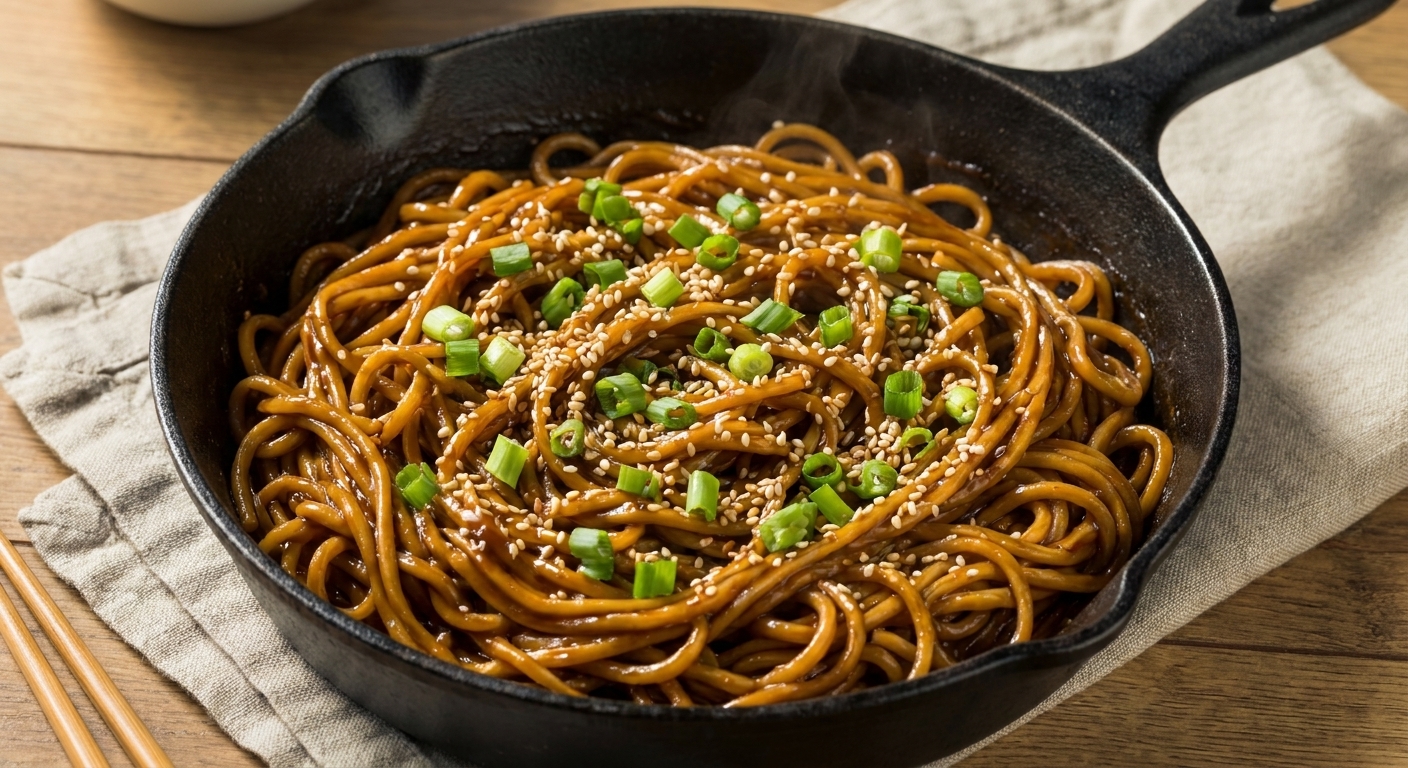
2) One-Pot Lo Mein with Turkey and Cabbage
Why it is fast: Ground meat cooks quickly, cabbage does not require precious prep, and everything happens in one pan.
Serves: 3 to 4
You need: 1 pound ground turkey or pork, 2 cloves garlic (minced), 1 tablespoon grated ginger, 4 cups shredded cabbage or coleslaw mix, 8 ounces lo mein noodles or spaghetti, 3 tablespoons soy sauce (low-sodium is great here), 2 to 3 tablespoons hoisin or oyster sauce, 1 teaspoon toasted sesame oil, 2 cups water plus more as needed.
How to do it:
- Heat a deep skillet over medium-high heat with a little neutral oil. Brown the ground meat, breaking it up as you go. Season lightly with salt and pepper.
- Add garlic and ginger and cook 30 seconds.
- Add cabbage and a splash of water. Toss until it starts to wilt.
- Pour in 2 cups water, add noodles, and simmer over medium heat, stirring often. If the pan gets dry before the noodles are tender, add a splash more water.
- When noodles are tender and the liquid looks slightly reduced, stir in soy sauce and hoisin. Finish with sesame oil.
Tip: If the sauce looks thin, simmer 1 to 2 minutes uncovered while tossing. Noodles thicken it as they cool.
3) One-Pot Teriyaki Udon with Broccoli
Why it is fast: Udon cooks in minutes and broccoli steams right in the same liquid.
Serves: 2 to 3
You need: 16 to 18 ounces shelf-stable udon (usually 2 packs), 3 cups broccoli florets, 1/4 cup soy sauce (low-sodium if you like), 2 tablespoons mirin or 2 teaspoons sugar, 2 cloves garlic (minced), 1 tablespoon grated ginger, 1 1/2 cups water, 1 teaspoon cornstarch plus 1 tablespoon cold water (optional), chicken thighs or tofu (optional).
How to do it:
- If using chicken or tofu, heat a skillet over medium-high heat with neutral oil and sear until browned, then push to the side.
- Add garlic and ginger, stirring 20 to 30 seconds.
- Add water, soy sauce, mirin, and broccoli. Cover and simmer 3 to 4 minutes, until broccoli is bright green and crisp-tender.
- Add udon, loosen noodles, and simmer uncovered over medium heat until the sauce lightly coats the noodles, 2 to 4 minutes. Add a splash of water if needed.
- If you want extra shine, stir cornstarch with cold water and add at the end. Simmer 30 to 60 seconds until glossy.
Finish: Sesame oil and a squeeze of lime cuts the sweetness beautifully.
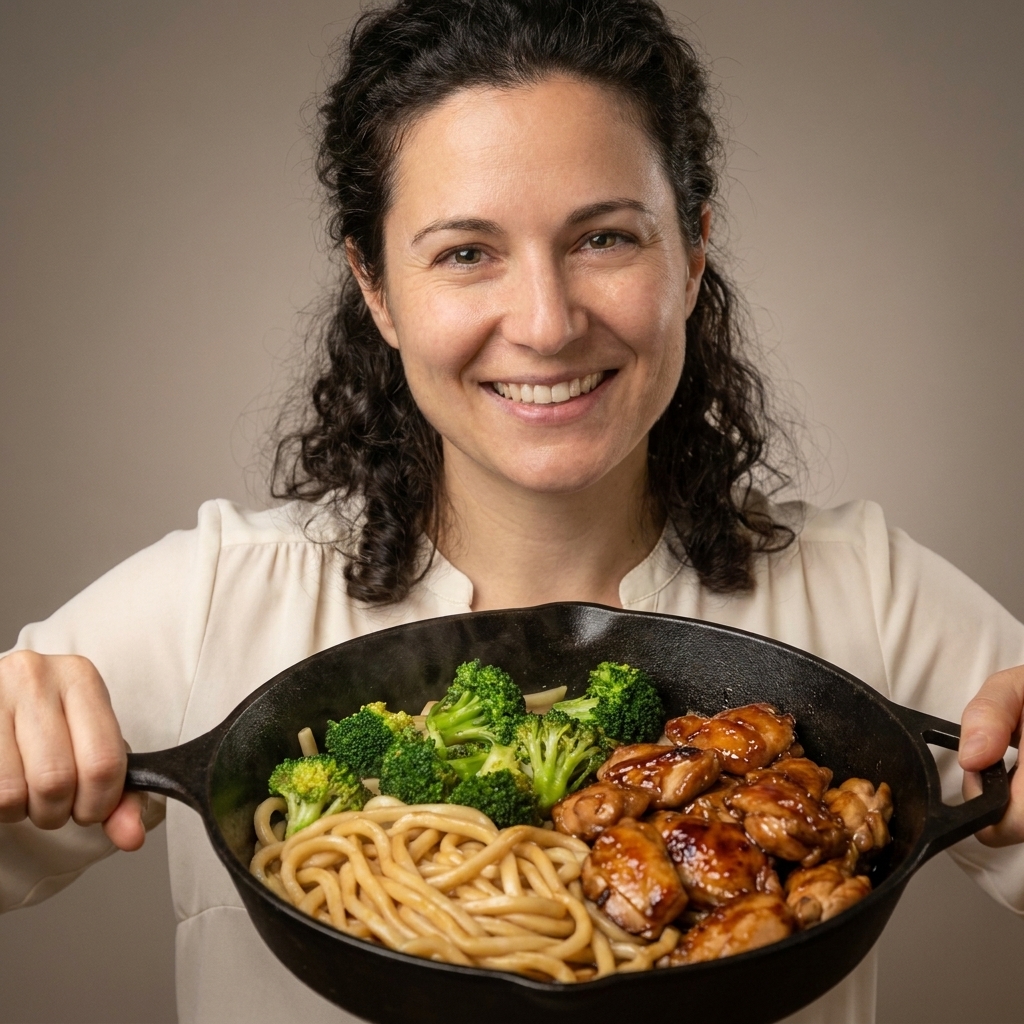
4) One-Pot Spicy Miso Ramen with Greens
Why it is fast: Many ramen-style noodles cook quickly, and miso makes broth taste slow-simmered when it is definitely not.
Serves: 2
You need: 2 ramen noodle bricks (or 6 to 8 ounces ramen-style noodles), 3 to 4 tablespoons white or yellow miso, 1 to 2 tablespoons soy sauce (start small and add to taste), chili paste or chili crisp, 2 cloves garlic (minced), 1 tablespoon grated ginger, 4 cups water or broth, 2 to 3 cups spinach or baby bok choy, mushrooms (optional), soft-boiled egg (optional).
How to do it:
- Bring water or broth to a gentle simmer in a pot over medium heat. Add garlic, ginger, and mushrooms if using.
- In a small bowl, whisk miso with a ladle of hot broth until smooth, then stir back into the pot.
- Add noodles and greens. Cook until noodles are just tender, following the package time if needed.
- Season with soy sauce and chili to taste.
Important: Do not boil miso hard for long. A gentle simmer keeps the flavor mellow and rich.
5) One-Pot Soy Ginger Shrimp Rice Noodles
Why it is fast: Shrimp cook in minutes and rice noodles can finish off heat, which means less overcooking stress.
Serves: 2 to 3
You need: 12 ounces peeled shrimp, 8 ounces rice noodles, 1/4 cup soy sauce (low-sodium if you like), 2 tablespoons lime juice plus wedges to serve, 1 to 2 tablespoons honey, 2 cloves garlic (minced), 1 tablespoon grated ginger, 1 bell pepper (sliced), snap peas (optional), 2 1/2 cups water plus more as needed, green onions.
How to do it:
- Heat a wide pot or deep skillet over medium-high heat with a little neutral oil. Sauté bell pepper 2 to 3 minutes.
- Add garlic and ginger and stir 30 seconds.
- Add water, soy sauce, honey, and rice noodles. Simmer over medium heat until noodles are almost tender, stirring so they do not clump. Add a splash more water if the pan gets tight.
- Add shrimp, cover, and turn off heat. Let sit 3 to 5 minutes, depending on shrimp size, until shrimp are opaque and pink and curled into a loose C. If they need a minute more, turn the heat back on low.
- Finish with lime juice and green onions.
Confession: I used to blast shrimp on high heat and wonder why they tasted like rubber bands. Gentle residual heat is the fix.
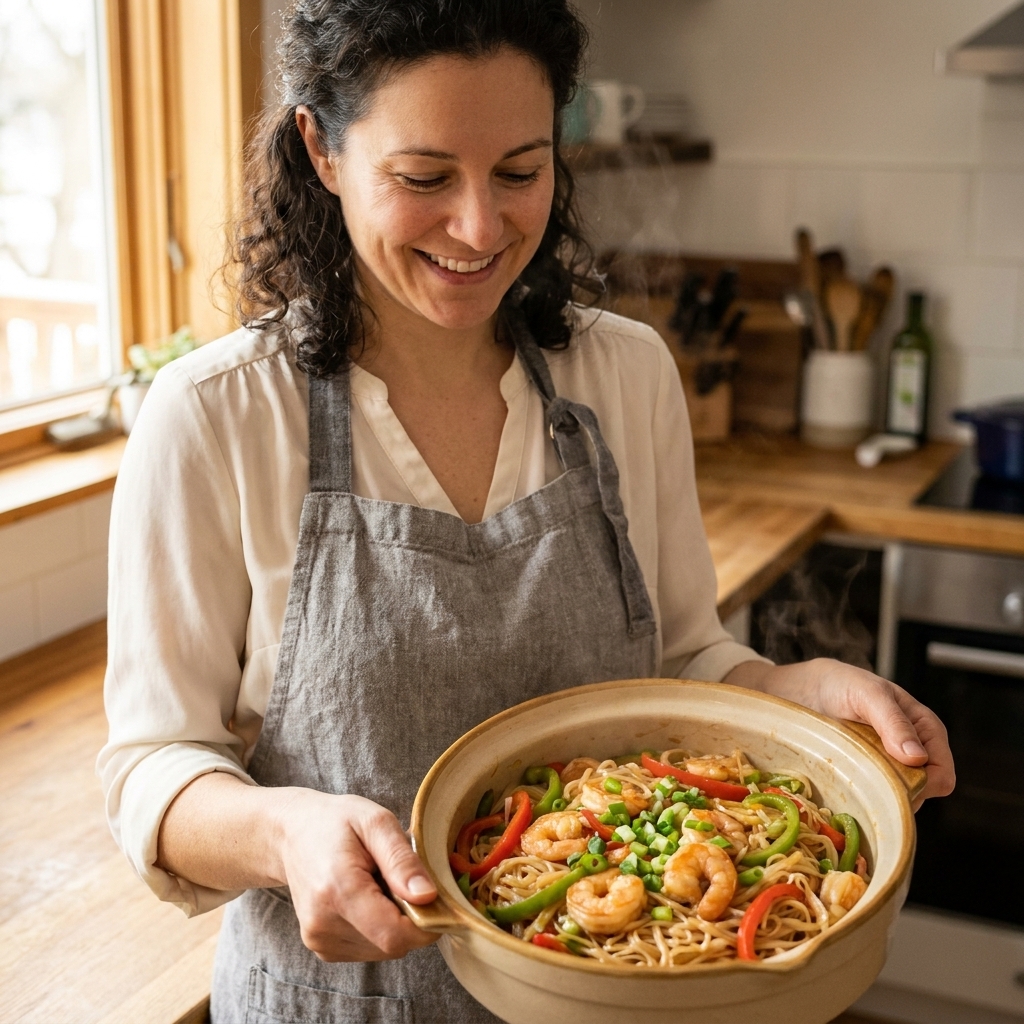
6) One-Pot Gochujang Noodles with Beef
Why it is fast: Gochujang brings heat, sweetness, and depth in one spoonful. No long sauce-building required.
Serves: 3 to 4
You need: 1 pound ground beef, 2 to 3 tablespoons gochujang, 2 tablespoons soy sauce (consider low-sodium), 1 to 2 tablespoons brown sugar, 2 cloves garlic (minced), 8 ounces ramen or wheat noodles, 2 cups water plus more as needed, 1 cup frozen peas or a few handfuls of spinach, sesame seeds.
How to do it:
- Heat a deep skillet over medium-high heat. Brown beef. Drain excess fat if needed.
- Lower heat to medium. Stir in garlic, gochujang, soy sauce, and brown sugar.
- Add water and noodles. Simmer, stirring often, until noodles are tender. If the sauce tightens too quickly, add a splash of water.
- Stir in peas or spinach for the last minute.
- Finish with sesame seeds and a drizzle of toasted sesame oil.
Make it your own: Add a quick cucumber side, or toss cucumber ribbons right into the bowl for crunch.
7) One-Pot Coconut Curry Noodles
Why it is fast: A can of coconut milk turns into a silky sauce while noodles cook, and it forgives whatever vegetables you need to use up.
Serves: 3 to 4
You need: 1 to 2 tablespoons curry paste (red or yellow), 1 can coconut milk, 8 ounces noodles (rice noodles or ramen-style noodles), 1 cup water, 2 to 3 cups frozen mixed veggies or sliced bell pepper, chickpeas or shredded chicken, lime.
How to do it:
- In a pot over medium heat, warm curry paste in a little neutral oil for 30 seconds.
- Add coconut milk plus 1 cup water. Bring to a gentle simmer.
- Add veggies and protein. Simmer until heated through.
- Add noodles and cook until tender, stirring so they do not clump. Add a splash of water if the sauce reduces too quickly.
- Finish with lime juice and cilantro if you have it.
Shortcut: Frozen stir-fry vegetables are completely welcome here. I call it smart shopping, not cheating.
The one-pot timing trick
Noodles are dramatic. Two minutes too long and they go from bouncy to sad. Here is the timing pattern I use constantly:
- Brown protein first (if using). Remove to a plate only if the pan is crowded.
- Bloom aromatics (garlic, ginger, curry paste) for 20 to 45 seconds.
- Add liquid and sauce ingredients, then bring to a simmer.
- Add sturdier vegetables (broccoli, carrots, peppers).
- Add noodles and stir often.
- Add quick-cooking veg (spinach, slaw mix, peas) at the end.
- Finish bright with lime or vinegar and a little sesame oil.
If your noodles are ready but the sauce looks thin, give it 1 to 2 minutes uncovered while tossing. If your sauce is thick before the noodles are tender, add a splash of water and keep going. You are the boss here.
Easy swaps
No hoisin or oyster sauce?
Use soy sauce plus a little brown sugar and a dab of peanut butter. It is not identical, but it gets you that sweet-salty depth.
No fresh ginger?
Use garlic and a squeeze of lime at the end. Different vibe, still delicious.
Need it gluten-free?
Choose rice noodles or gluten-free ramen and use tamari. Double-check hoisin, gochujang, and soba labels since many brands contain wheat unless clearly labeled gluten-free or 100% buckwheat.
Want more veggies without more work?
Grab bagged coleslaw mix, pre-sliced mushrooms, or frozen broccoli. These recipes are designed to welcome shortcuts.
FAQ
Can I cook noodles directly in the sauce without boiling separately?
Yes, and that is the one-pot magic. Just make sure there is enough liquid to cover most of the noodles, stir as they soften, and add splashes of water if the pan dries out before they are tender.
How do I keep noodles from clumping?
Use a wide pot or deep skillet when possible and stir early and often for the first 2 to 3 minutes. A little extra liquid helps noodles move around instead of sticking together.
What is the best noodle for one-pot dinners?
Udon and ramen-style noodles are the most forgiving. Rice noodles are very fast but can over-soften if boiled too long, so I like to finish them with the heat off when I can.
Can I meal prep these?
They are best fresh, but leftovers still work. Store with a splash of extra sauce or broth, then reheat gently with a tablespoon or two of water to loosen everything back up.