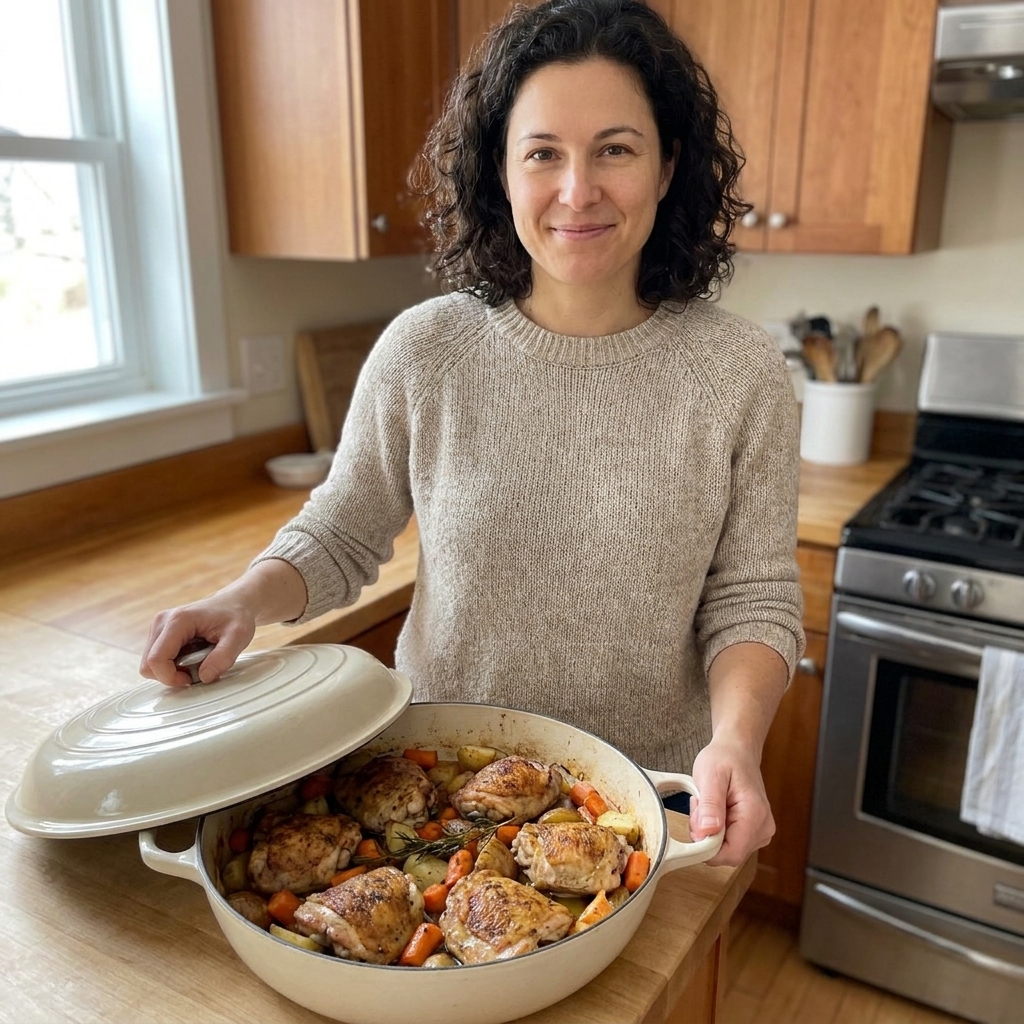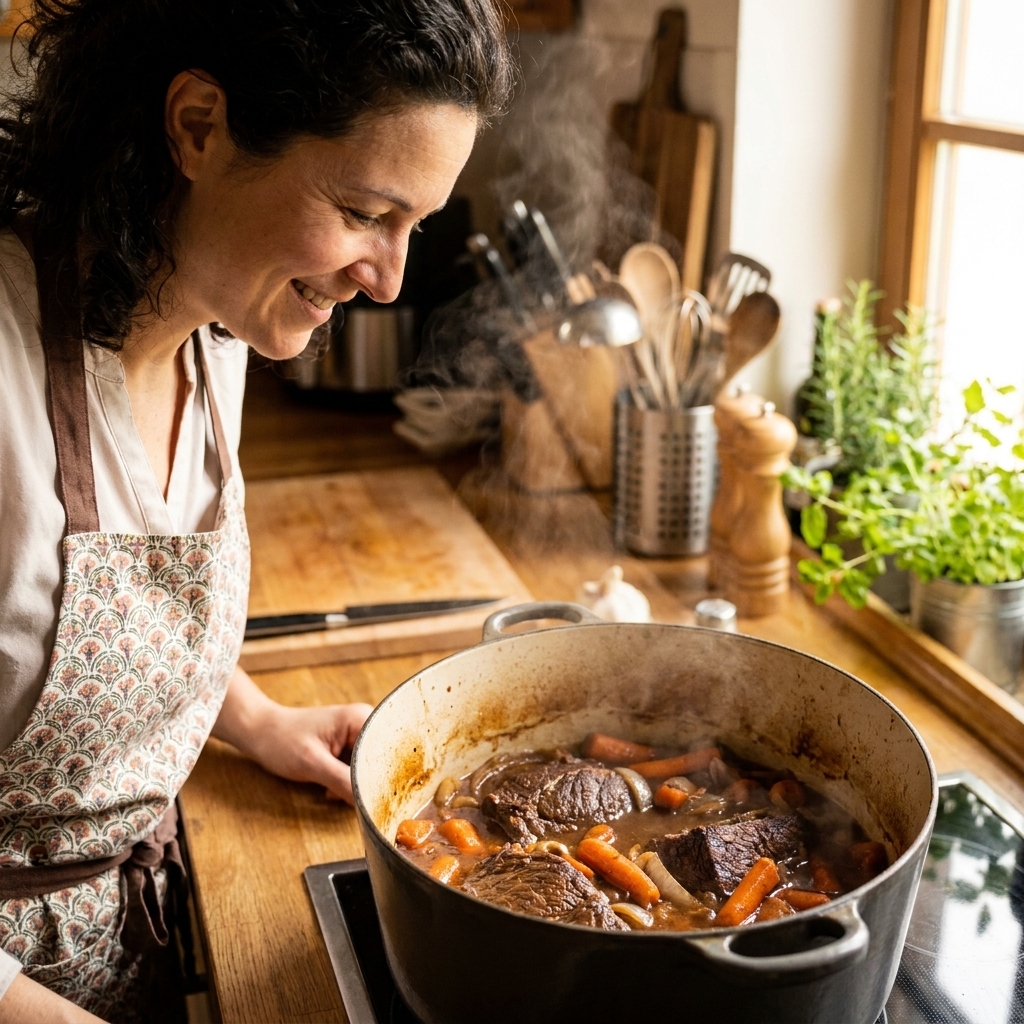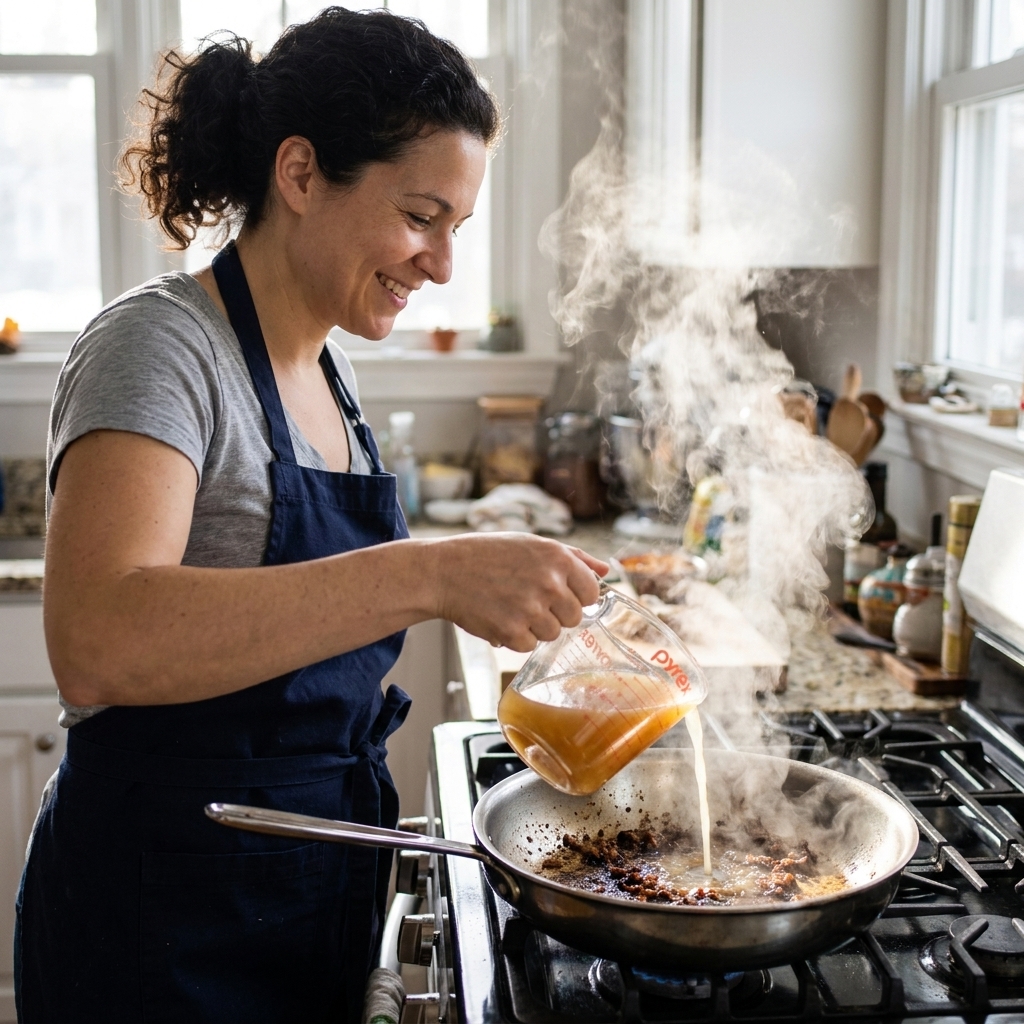
My love language is a hot dinner that does not require a second sink full of regrets. And if you cook one-pot meals even semi regularly, two pieces of gear will keep popping up like they pay rent: the cast iron skillet and the Dutch oven.
Both can sear. Both can go from stovetop to oven. Both can make you feel like a competent adult even if you are still wearing office pants with an elastic waistband. But they are not interchangeable. The “best” one depends on what you are cooking, how much sauce you want, and whether you are trying to feed two people or a small soccer team.
One quick note on terms: when people say “Dutch oven,” they might mean enameled cast iron (low-maintenance, weeknight-friendly) or bare cast iron (also great, especially for camping and bread). This article mostly assumes enameled, and I call out exceptions where it matters.
The quick verdict
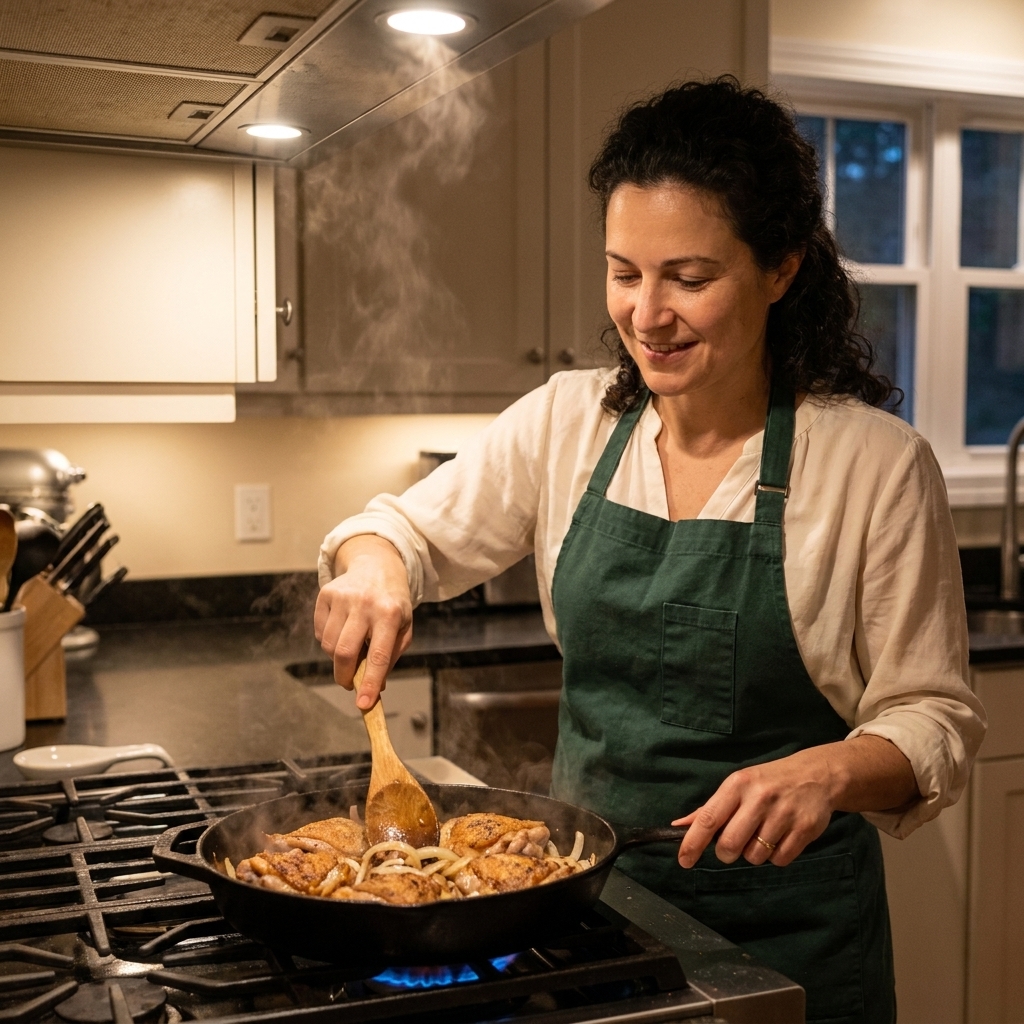
- Choose a cast iron skillet when you want deep browning, crisp edges, quick reduction, and a dinner that goes from stove to table fast. Think seared chicken with blistered green beans, skillet fajitas, one-pan burgers with onions, or a skillet pasta that finishes uncovered.
- Choose a Dutch oven when you want volume, steady simmering, low and slow braising, and minimal splatter. Think chili, short ribs, pot roast, chicken and dumplings, soups, beans, and saucy pastas that need room to stir.
If you only buy one: I usually recommend a 5.5 to 6-quart enameled Dutch oven for the widest range of true one-pot dinners. If your weeknights lean toward fast sear-and-serve meals, grab a 10 to 12-inch cast iron skillet first.
What each pan is best at
Cast iron skillet strengths
- Serious searing: Cast iron holds heat like a champ. When you add chicken thighs or pork chops, the temperature drop is smaller, so you get better browning.
- Crisp finishes: Shallow sides let moisture escape. Great for roasted veggies, crispy skin, and anything you do not want to steam.
- Fast reductions: Sauces thicken quickly because there is more surface area exposed.
- Weeknight workhorse: It is simple, durable, and goes from stovetop to oven without drama. Just plan to preheat a few minutes longer than you would with thinner pans, because cast iron rewards patience.
Dutch oven strengths
- Braising and simmering: Tall sides and a heavy lid create a moist environment that keeps meat tender and prevents sauces from reducing too fast.
- Capacity: A 6-quart Dutch oven can handle soups, stews, and pasta for leftovers without ingredients launching themselves over the rim.
- Less splatter: Those high sides matter when you are browning sausage or simmering tomato sauce.
- More forgiving for long cooks: The thick walls help maintain a steady simmer once it is dialed in, but you still may need the occasional stir for thick sauces and beans to avoid scorching.
Searing
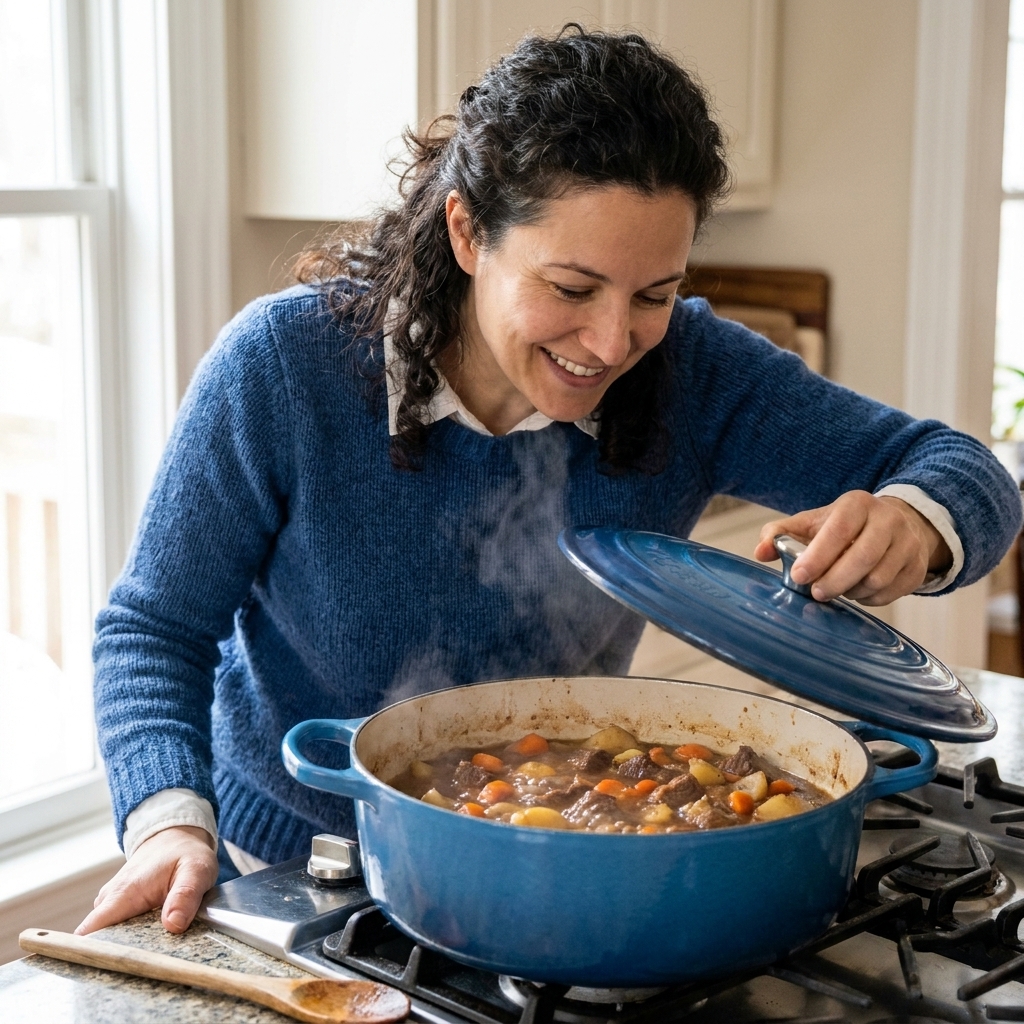
For pure searing, cast iron skillet wins. The wide cooking surface lets moisture evaporate instead of pooling. You can spread pieces out and give them space to brown rather than steam. If you have ever crowded beef cubes in a pot and ended up with gray “boiled” edges, you know what I mean.
That said, a Dutch oven can absolutely sear well, especially if it is heavy (enameled cast iron). The trick is patience: preheat longer than you think, sear in batches, and do not rush the flip.
My “no gray meat” searing checklist
- Pat protein dry, then salt it.
- Preheat the pan until oil shimmers.
- Sear in batches if needed.
- Do not move it too soon. Let the crust release naturally.
Braising
Dutch oven wins, hands down. Braising is about gentle heat, steady moisture, and enough room for liquid, aromatics, and steam to do their thing. You typically want the braising liquid to come partway up the meat, not fully drown it. A tight lid and tall walls create a humid little sauna for tough cuts like chuck roast, pork shoulder, lamb shanks, or bone-in chicken.
A cast iron skillet can braise in a pinch, but it is easier to lose too much liquid (especially in the oven) and you may fight splatter and cramped space. If the recipe includes phrases like “cover and cook for 2 hours,” I reach for the Dutch oven.
Simmering and sauces
This one is more of a tie, but with different personalities.
- Choose the Dutch oven for tomato sauce, chili, curry, soup, beans, and anything you want to simmer with less babysitting. The higher sides reduce splatter, and the thick base can be more forgiving about heat swings, even though you still need to watch for hot spots on some burners.
- Choose the skillet for creamy sauces, pan sauces, quick skillet pastas, or anything you want to reduce and concentrate fast. Just know you will be stirring a bit more because shallow pans can reduce quickly.
A good rule
If the dish needs stirring room and a steady simmer, Dutch oven. If it needs evaporation and a fast finish, skillet.
Oven performance and heat
Cast iron skillet in the oven
Cast iron skillets are built for high heat. They are excellent for roasting vegetables, finishing chicken thighs skin-side up, baking cornbread, and broiling a bubbly skillet pasta. The open top also means you get more browning and crisping.
Dutch oven in the oven
Dutch ovens shine for covered cooking: braises, baked ziti that stays juicy, or baked beans that do not dry out. They also do great bread, if you are into that whole “I have a starter named Gary” lifestyle.
Important note on knobs and heat: Some enameled Dutch ovens have phenolic (plastic) knobs with lower oven-safe limits. Many brands offer stainless knobs if you cook hot often. Always check your specific pot.
Two quick safety notes: both pieces hold heat for a long time, and both handles get hotter than your confidence. Use oven mitts, and remember the handle stays lava even after you turn the burner off.
Cleanup and maintenance
Cast iron skillet
- Seasoning matters: Traditional cast iron needs seasoning maintenance. It is not hard, but it is a relationship.
- Acidic simmers are case by case: Modern, well-polymerized seasoning can handle short tomato cooks better than the old panic suggests, but long, acidic simmers (tomatoes, vinegar, wine-heavy sauces) can still dull seasoning and sometimes pull a metallic note. For all-day marinara, I prefer a Dutch oven.
- Cleaning: Hot water, a brush, maybe a little soap, dry thoroughly, then a whisper of oil. If you let it soak overnight, it will remember.
Dutch oven (enameled cast iron)
- No seasoning required: Big win for busy cooks.
- Acid-friendly: Tomato sauce, wine braises, lemony chicken, all good.
- Cleaning: Usually easier, but avoid metal utensils that can scratch enamel. Burnt-on bits may need a soak and a gentle scrub.
- Chipping risk: Enamel can chip if dropped or banged hard, especially around rims and lids.
- Avoid thermal shock: Do not rinse a ripping-hot pot with cold water. Let it cool a bit first.
My honest take: if you are in a season of life where you can barely remember to move laundry to the dryer, an enameled Dutch oven is the lower-maintenance choice.
How to choose the right size
Cast iron skillet sizing
- 10-inch: Great for 1 to 3 people, smaller stovetops, and quick meals.
- 12-inch: The weeknight workhorse for families. Enough surface area to sear without crowding.
Dutch oven sizing
- 4 to 5 quarts: Best for 1 to 3 people, smaller batches, and lighter weight.
- 5.5 to 6 quarts: The sweet spot for most families and most one-pot recipes.
- 7 to 8 quarts: Great for meal prep, entertaining, big batches of soup, or doubling chili.
If you are on the fence, go slightly bigger on the Dutch oven. Nothing is more annoying than trying to stir pasta in a pot that is basically a hat.
What I cook in each one
My cast iron skillet all-stars
- Skillet chicken thighs with broccoli and lemon
- Sausage, peppers, and onions with quick rice (start rice first, then everything else in the skillet)
- Crispy gnocchi with cherry tomatoes and spinach
- Burgers or smash burgers with onions
- Skillet enchilada bake when I want bubbly cheese edges
My Dutch oven all-stars
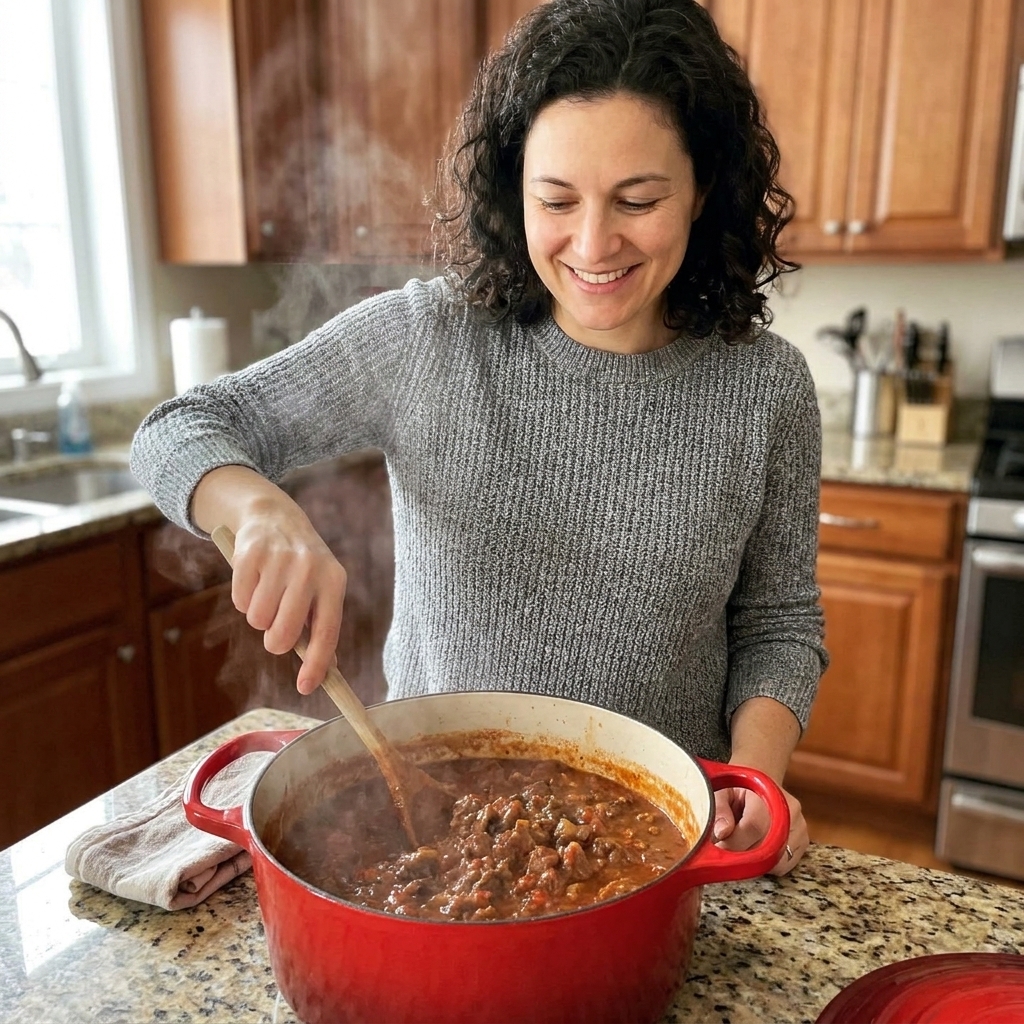
- Turkey chili or white chicken chili
- Beef stew and pot roast
- Coconut curry lentils
- One-pot pasta that needs room to stir (think: lasagna soup, creamy tortellini)
- Chicken cacciatore or any tomato-braised chicken
Can one replace the other?
Sometimes, yes. Perfectly, no.
- You can make skillet dinners in a Dutch oven: Just expect a bit less browning and plan to sear in batches if you are cooking a lot of protein.
- You can make saucy Dutch oven dinners in a skillet: If the skillet is big and deep enough. Watch liquid levels closely, especially in the oven.
If you do a lot of one-pot cooking, owning both is genuinely useful. If you are starting from scratch, pick based on how you cook most nights.
Buying tips
Cast iron skillet tips
- Weight matters: Heavier holds heat better, but make sure you can lift it one-handed if you need to.
- Handle heat: Long handles get hot. A silicone handle cover is not optional in my kitchen.
- Surface: Some skillets are smoother, some rougher. Both work. Smoother can feel more naturally nonstick.
- Induction and glass tops: Cast iron works great on induction, but it is heavy. Lift it instead of dragging it, unless you enjoy mystery scratches.
Dutch oven tips
- Round vs oval: Round is more versatile for stovetop burners. Oval can be great for longer roasts, but it can be awkward on smaller burners.
- Lid fit: A snug lid helps braises and keeps moisture in.
- Enamel color: Light interiors make it easier to see browning and prevent over-darkening.
- Gentle preheating: With enameled cast iron, avoid cranking an empty pot on high heat. Warm it gradually, especially on powerful burners.
FAQ
Is a cast iron skillet good for soups?
It can work for small batches, but it is not my favorite. Shallow sides mean more splatter and faster evaporation. For soup, a Dutch oven is easier and less messy.
Can I cook acidic foods in cast iron?
Yes in many cases, especially in a well-seasoned pan. Short tomato cooks are often fine. I just avoid long simmers with lots of tomatoes or vinegar, because it can dull seasoning and sometimes leave a metallic taste. For tomato sauce, I reach for an enameled Dutch oven.
Which is better for meal prep and leftovers?
Dutch oven. The capacity makes it simpler to cook a double batch, and it is easier to stir without launching food onto your stove.
Do I need an enameled Dutch oven or is bare cast iron okay?
Bare cast iron Dutch ovens exist and are great, especially for camping and bread. For weeknight one-pot dinners, I prefer enameled because it is low-maintenance and friendly for acidic ingredients.
What is the most versatile setup if I can buy two pieces?
A 12-inch cast iron skillet plus a 5.5 to 6-quart enameled Dutch oven. That combo covers searing, roasting, braising, soups, chili, and pasta nights.
Bottom line
If your dream dinner is “crispy, browned, and done in 25 minutes,” the cast iron skillet is your best friend. If your dream dinner is “tender, saucy, and makes enough for lunch tomorrow,” go Dutch oven.
And if you are like me, you will eventually end up with both and swear you only bought the second one for “efficiency.”