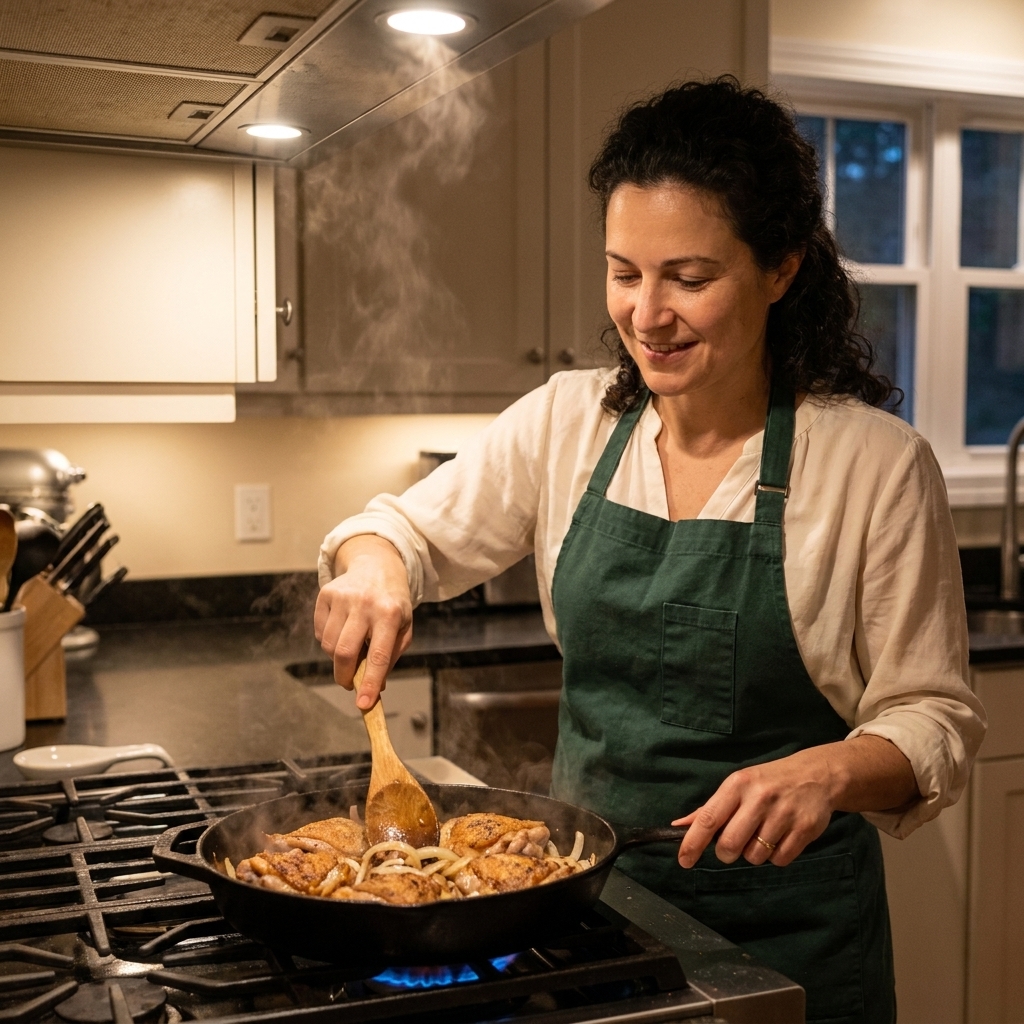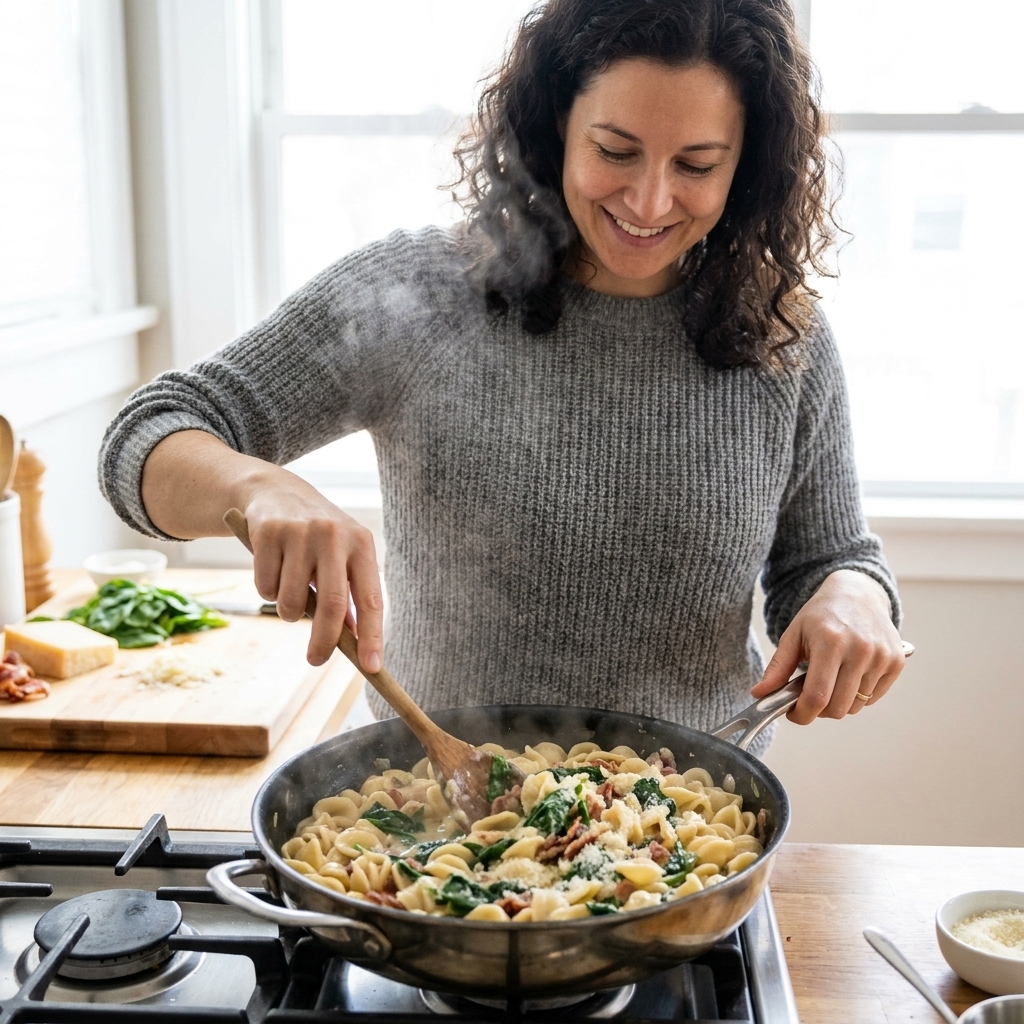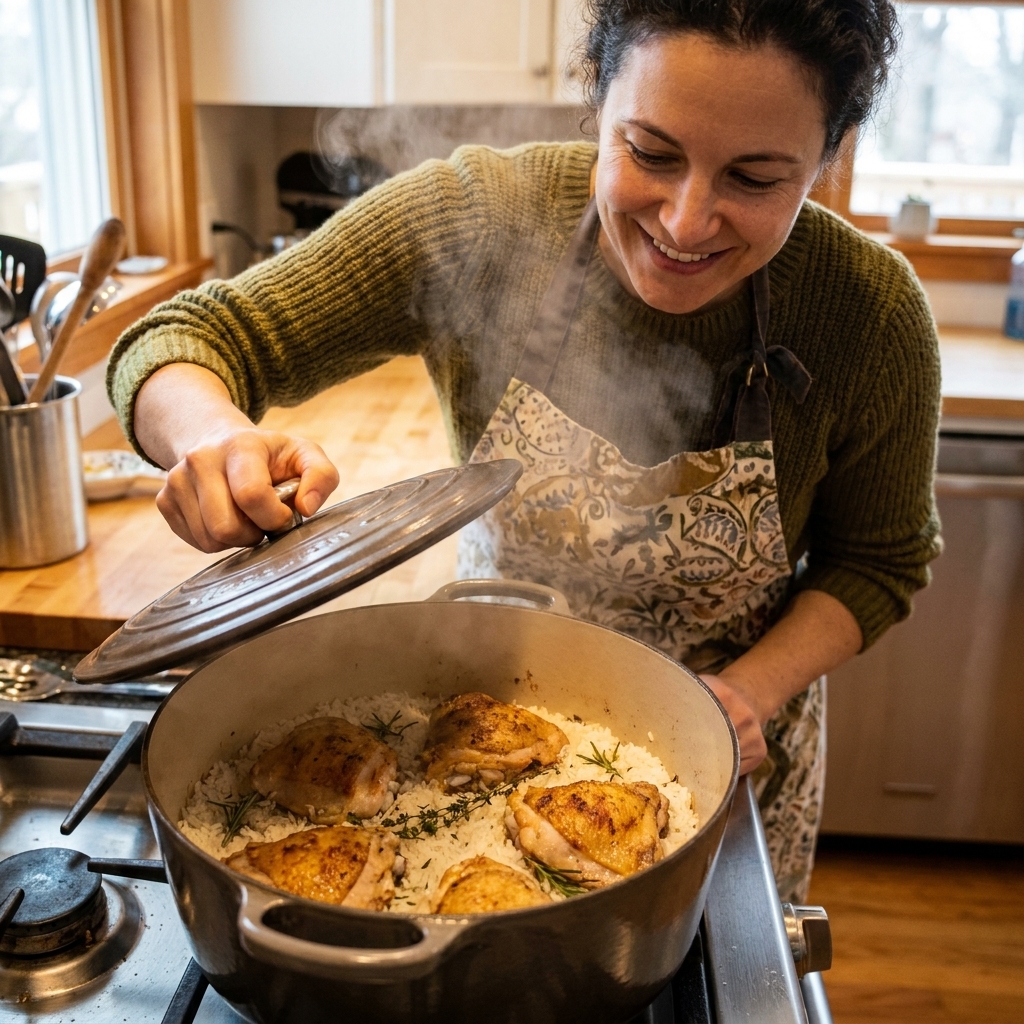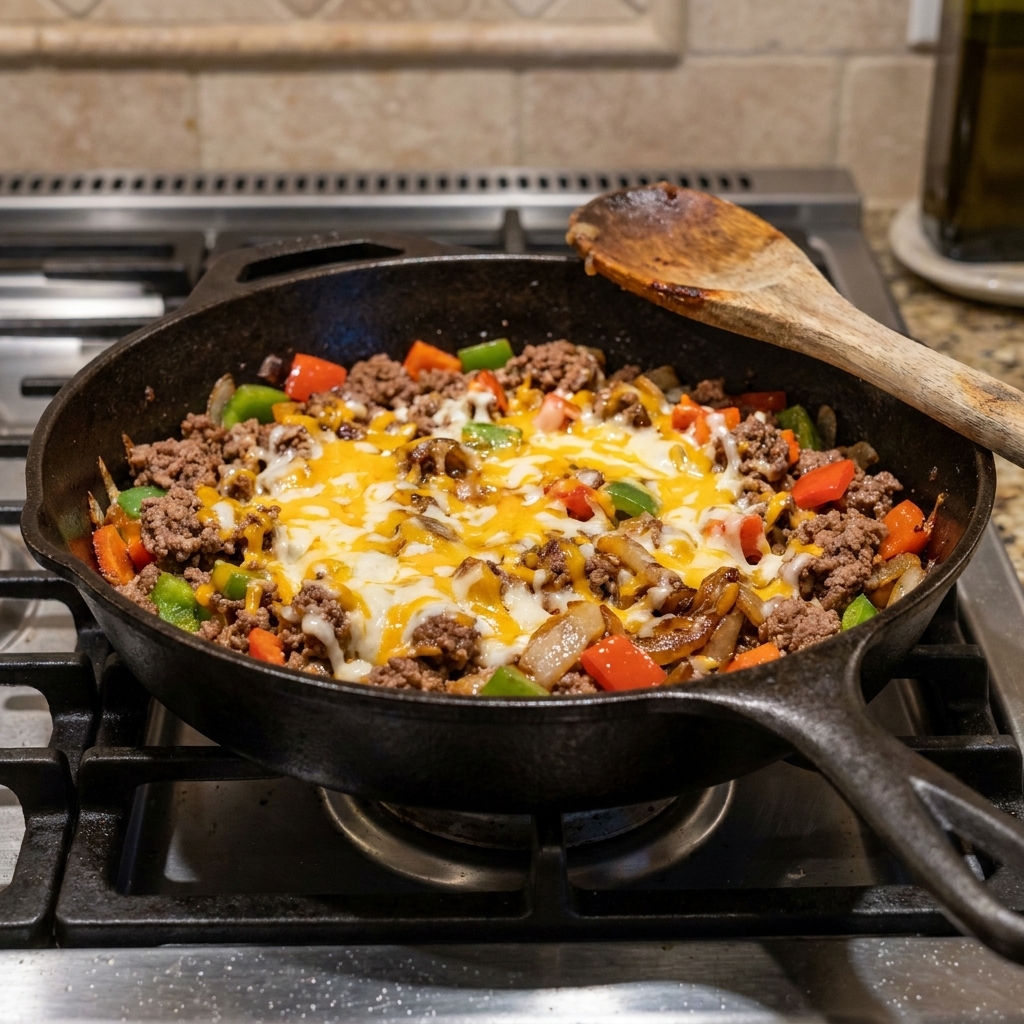
If you have ever tried to simmer a family-sized skillet pasta in a regular frying pan, you already know the ending: sauce bubbles up the sides, you are stirring like a maniac, and you still somehow end up wiping the stovetop. A deep sauté pan or a good braiser is my weeknight fix. High walls keep splatters in. A wide cooking surface browns meat properly. A lid lets you finish gently, whether you are doing saucy chicken, a quick curry, or a stovetop-to-oven bake.
I am picky about this category because it is the workhorse of one-pot cooking. When you get the right pan, you make better food and you clean up less.
What to look for
Before we get to my favorites, here is what I look for when I want one pan to brown, simmer, and finish in the oven without drama.
- Depth that contains a simmer: For sauté pans, look for noticeably high sides. Many popular “deep sauté” pans land around 2.5 to 3.5 inches of wall height, give or take by brand and size. For braisers, tall, gently flared sides help prevent boil-overs and make stirring easier.
- A wide base: Width matters for browning. Crowding is the enemy of crispy chicken skin and caramelized onions.
- Comfortable handles: You should be able to lift the pan with oven mitts. Short helper handles on the opposite side are a gift.
- Oven-ready lid: Many recipes go stovetop to oven. Stainless lids are usually more oven-forgiving than glass, but temperature ratings vary, so check the exact specs for the pan and lid you are buying.
- Weight you can live with: Cast iron is hard to beat for heat retention, but it is heavy. A good stainless sauté pan is lighter and faster to maneuver.
- Cooktop compatibility: If you cook on induction, confirm the pan is induction compatible. Most fully clad stainless pans are. Enameled cast iron is generally induction friendly too, as long as the base is flat and makes solid contact.
- Cleanup reality: Enameled cast iron is often easy to clean with a soak and a gentle scrub, but burnt-on sugars and overheated oil can take more work, and light interiors can stain. Stainless can be easy too once you learn the “deglaze while warm” trick.
Quick picks
| Best for | Pick | Why it works |
|---|---|---|
| Most weeknight one-pot meals | All-Clad D3 6-Quart Stainless Deep Sauté Pan with lid | Big capacity, great browning, lighter than cast iron |
| Stovetop to oven braises | Le Creuset 3.5-Quart or 5-Quart Braiser | Even heat, steady simmering, lid that seals in moisture |
| Best value enameled braiser | Lodge Enameled Cast Iron Braiser | Solid performance, friendlier price point |
| Everyday nonstick, lower effort cleanup | Calphalon Premier or All-Clad HA1 Deep Sauté Pan | High sides for sauces and gentler foods like eggs and dumplings |
| Fast heating and easy handling | Made In Stainless Steel Sauté Pan (5-qt class) | Responsive heat, roomy, comfortable handles |
Note: Brand bundles change. Some pans are sold with a lid in some listings and sold lid-free in others, and oven-safe temperatures can vary by lid material and model year. Before you buy, double-check what is included and the manufacturer’s current oven rating.
Best deep sauté pans
All-Clad D3 6-Quart Stainless Deep Sauté Pan
If you want one pan that can do 80 percent of your one-pot dinners, this is the one I reach for most. The 6-quart capacity is roomy enough for: a full pound of pasta with sauce, a big batch of taco meat plus beans, or chicken thighs plus vegetables without stacking everything like a game of Jenga.
- Why I like it: Excellent browning, sturdy lid, and sides that keep simmering sauces from decorating your backsplash.
- Best for: Skillet pastas, creamy or tomato-based sauces, stir-fry-style dinners that finish with a lid, pan sauces after searing.
- Heads up: Stainless has a learning curve. Preheat, add oil, then add protein. If it sticks at first, let it cook and it will release when it is ready.
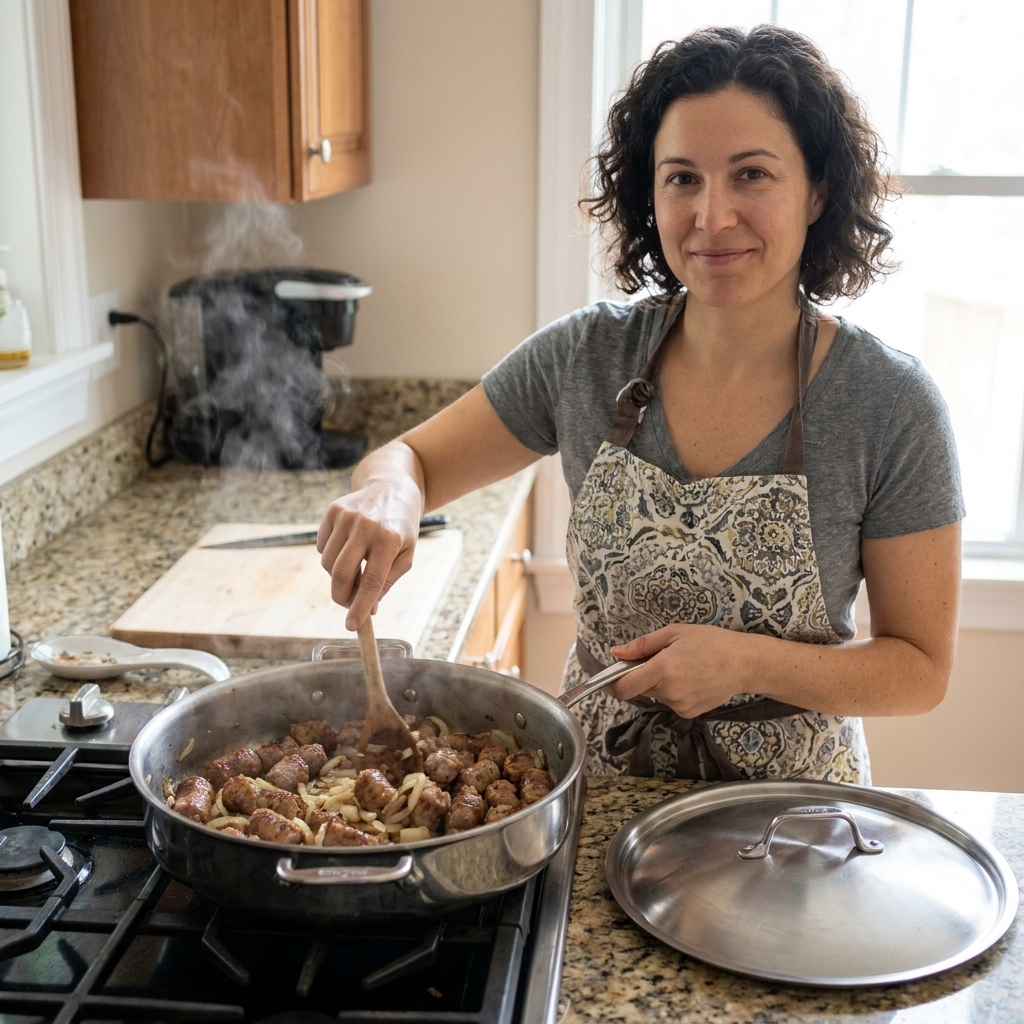
Made In Stainless Steel Sauté Pan (5-quart class)
When you want stainless performance with a slightly more modern feel, this is a strong choice. It heats quickly and responds fast when you turn the burner down, which is helpful for keeping garlic from going from golden to bitter in ten seconds.
- Why I like it: Responsive heat and a roomy cooking surface for searing before you add liquids.
- Best for: One-pot rice dishes, lemony chicken with pan sauce, shallow braises that start with a hard sear.
- Heads up: As with any stainless pan, a quick deglaze while warm makes cleanup feel like cheating.
Tramontina Tri-Ply Clad Deep Sauté Pan (great value)
If you want the deep sauté pan experience without the premium price tag, Tramontina makes consistently solid tri-ply cookware. You still get good browning and a pan you can confidently slide into the oven.
- Why I like it: Value that still performs, with enough capacity for family dinner portions.
- Best for: Chili, skillet lasagna-style bakes, saucy meatballs, weeknight “clean out the fridge” dinners.
- Heads up: Check the exact oven-safe rating for the lid style on the version you are considering, especially if it is glass.
Best braisers
Le Creuset Braiser
This is the pan that makes you feel like you have your life together, even if there are backpacks on every chair in your dining room. Enameled cast iron excels at steady, gentle heat. Translation: fewer scorched spots, better sauce, and chicken that turns silky when it should.
- Why I like it: Heat retention, even cooking, and a lid that keeps moisture where it belongs. Also, it goes from stove to oven to table beautifully.
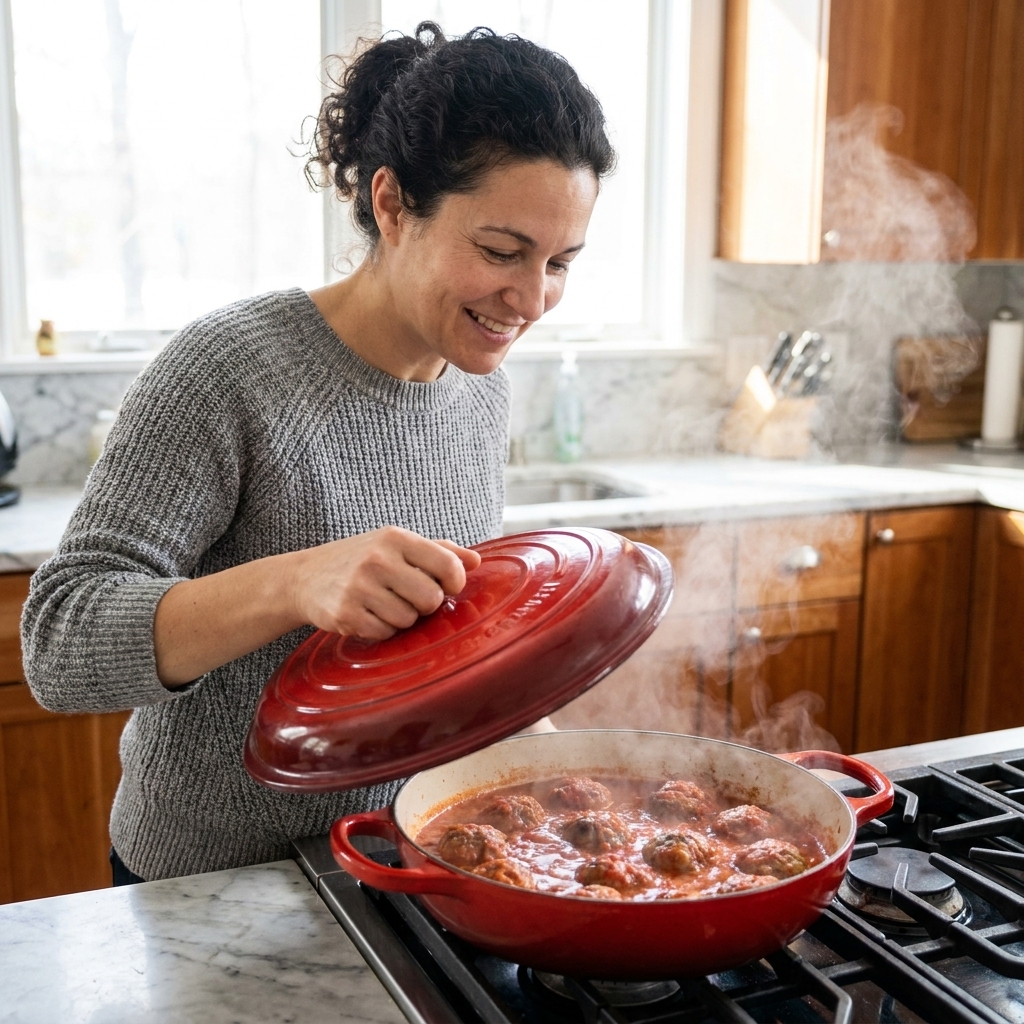
- Best for: Chicken thighs with cabbage, short rib style braises, meatballs simmered in marinara, baked orzo with feta and blistered tomatoes.
- Heads up: It is heavy. If wrist strength is a concern, consider a smaller size or a stainless deep sauté pan instead.
Staub Braiser or Shallow Cocotte
Staub tends to have darker interiors, and many Staub lids use self-basting spikes designed to manage condensation as it cooks. If you love deeply caramelized onions, braised greens, or anything that benefits from steady heat, this is a gorgeous option.
- Why I like it: Excellent heat retention and a snug lid. It feels built for Sunday sauce and winter stews, even if you are making it on a Tuesday.
- Best for: Pot roast style braises, coq au vin shortcuts, beans, and anything that wants a gentle simmer for a while.
- Heads up: Like all enameled cast iron, it usually rewards low to medium heat on the stovetop. High heat is rarely needed.
Interior note: Light enamel makes it easier to see browning and fond. Dark enamel can hide stains and wear a bit more gracefully, but it can be harder to visually track color changes. Both work, it is mostly preference.
Lodge Enameled Cast Iron Braiser (best value braiser)
For the price, Lodge brings a lot to the table. You get the braiser shape and the cast iron performance, which is the combo that makes one-pan dinners taste like you cooked all day.
- Why I like it: Budget-friendlier entry into braiser life, with solid results for everyday cooking.
- Best for: Braised chicken and vegetables, baked pastas, dumplings simmered in broth, saucy skillet casseroles.
- Heads up: Enameled cast iron is not nonstick. A little oil and a little patience during searing go a long way.
Deep sauté pan vs braiser
If you can only pick one, here is my no-guilt guidance:
- Choose a deep stainless sauté pan if you want something lighter, faster to heat, and great for pan sauces, pasta, and everyday cooking. It is also ideal if you do a lot of quick weeknight meals and you want easy maneuvering.
- Choose an enameled cast iron braiser if you love cozy, slow-simmered food and you want the most forgiving, even cooking for braises, bakes, and saucy dinners. It is my pick for “set it and forget it” oven finishes.
My personal sweet spot is owning one of each. If that is not in the cards right now, pick the one that fits how you cook most weeks, not how you cook on your best imaginary weekend.
Sizing cheat sheet
- 4-quart sauté pan or braiser: Best for 2 to 3 people, or smaller side dishes. Can feel tight for pasta.
- 5 to 6-quart deep sauté pan: My favorite for families. Handles pasta, chili, curry, and one-pan rice dinners without overflow.
- 3.5-quart braiser: Great for 2 to 4 servings, especially if you serve with a side salad or bread.
- 5-quart braiser: Better for family meals with leftovers, or if you regularly cook 6 chicken thighs at once.
Care tips
For stainless deep sauté pans
- Preheat the pan, then add oil, then add food. This reduces sticking.
- Deglaze while warm with a splash of water or broth and a wooden spoon. Most stuck-on bits lift right up.
- A gentle scrub is fine. If you get rainbow discoloration or stubborn marks, a stainless-safe cleanser can make it look new.
For enameled cast iron braisers
- Use low to medium heat on the stovetop. Cast iron holds heat, so you rarely need high.
- Avoid metal tools that can scratch enamel. Wood and silicone are your best friends.
- Let it cool a bit before washing. Sudden temperature changes can stress enamel over time.
- For stubborn stains: A long soak and a non-scratch scrubber usually does it. If you use a powdered cleaner, make sure it is enamel-safe and manufacturer-approved.
For nonstick deep sauté pans
- Keep heat moderate: Nonstick coatings do best on low to medium heat, and oven limits are often lower than stainless or cast iron. Check your pan’s rating.
- Skip aerosol cooking spray: It can leave a sticky residue that is hard to remove and can shorten a coating’s best years.
- Use gentle tools: Silicone, wood, and nylon help prevent scratches. Replace the pan when the coating is visibly degrading.
What I cook in mine
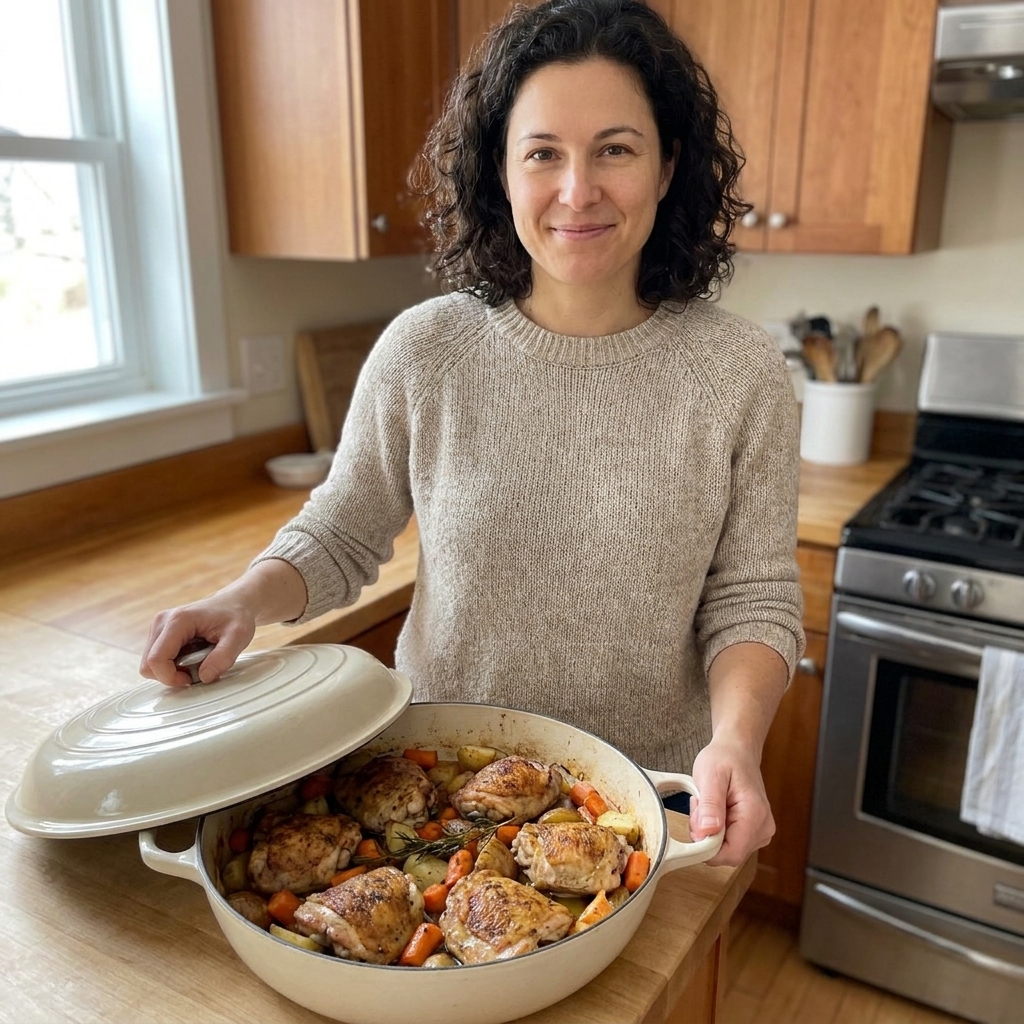
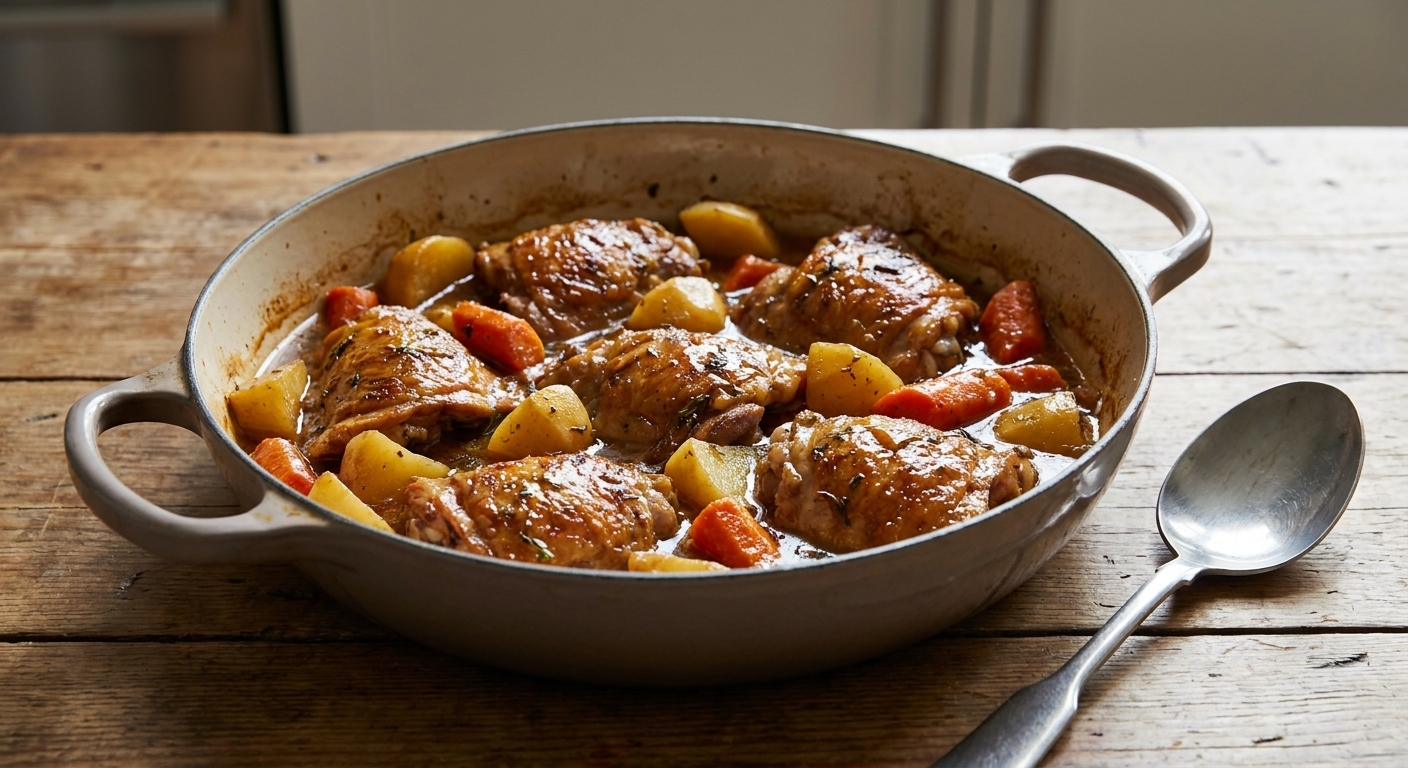
- Chicken thighs + carrots + potatoes with a mustardy pan sauce, finished under the lid in the oven.
- Skillet baked ziti vibes using a sturdy pasta shape, marinara, and dollops of ricotta.
- One-pan coconut curry chickpeas with spinach stirred in at the end.
- Meatballs in sauce that start with a quick sear and finish in a gentle simmer.
- “Fridge drawer fried rice” in stainless, because you can crank the heat for good texture.
FAQ
Can a deep sauté pan replace a Dutch oven?
For many one-pot dinners, yes. A deep sauté pan is fantastic for shallow braises, skillet pastas, and anything that starts with browning and ends with a covered simmer. A Dutch oven still wins for very large batches of soup, tall simmering liquids, and artisan bread baking.
Is nonstick okay for one-pot meals?
It can be, especially for sticky foods and easy cleanup, but nonstick is not my first pick for hard searing and high-heat browning. If you go nonstick, keep the heat moderate, use silicone or wood tools, and double-check the oven-safe rating for your specific pan and lid.
What is the difference between a braiser and a sauté pan?
A braiser is usually enameled cast iron with a wide base and a lid, built for steady heat and oven finishing. A sauté pan is typically stainless or aluminum and is more responsive to heat changes on the stovetop. Both are excellent for one-pot meals, just with slightly different strengths.